
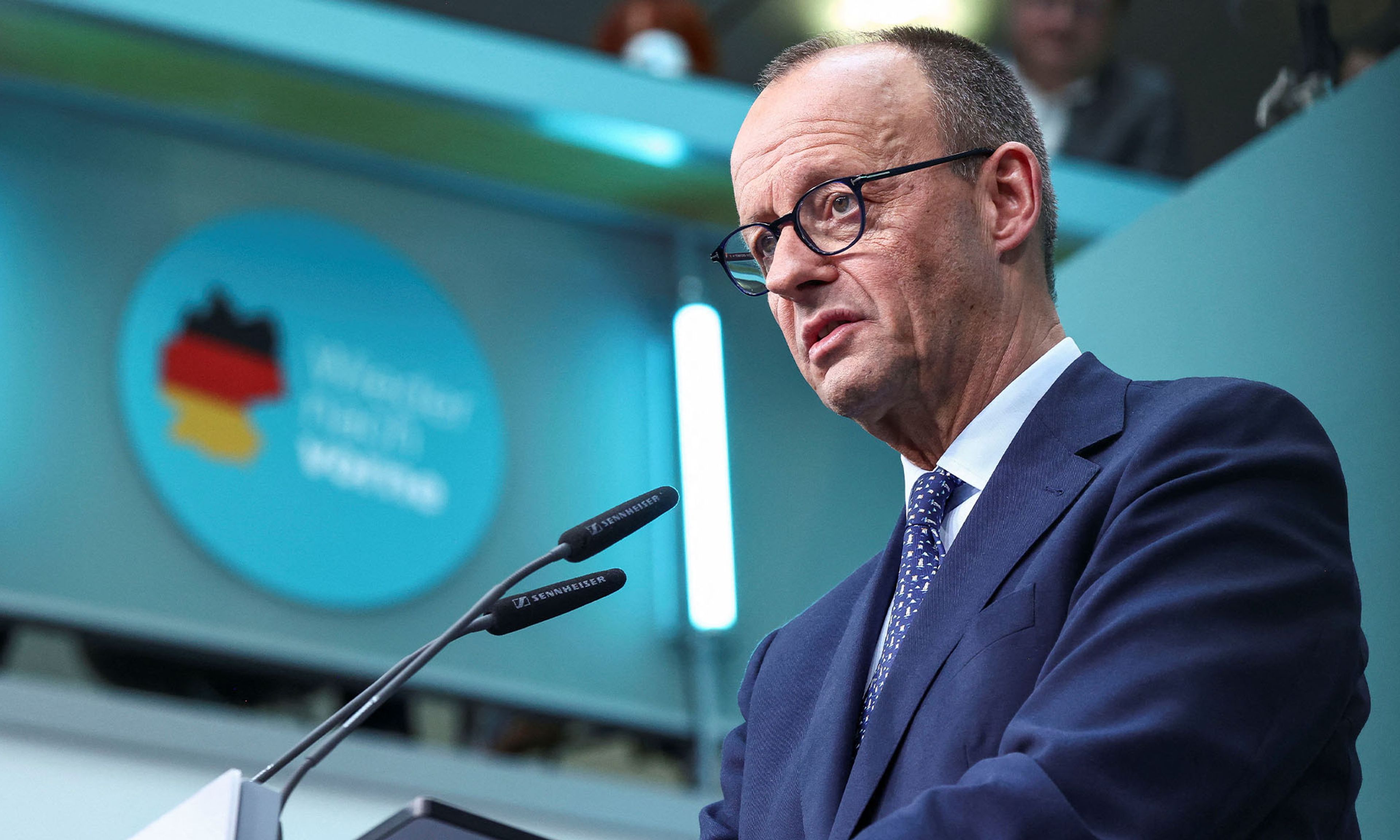
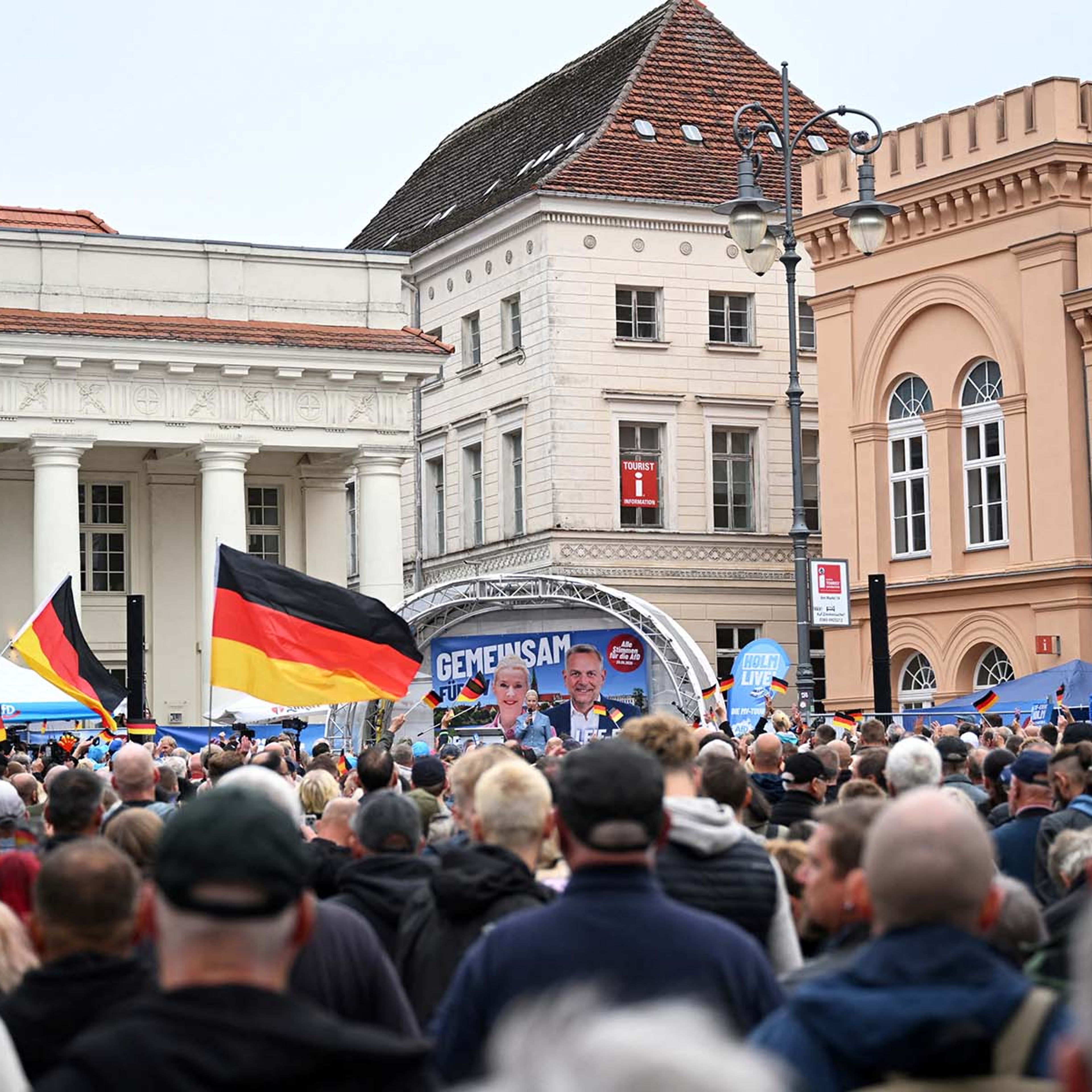
Germany’s election results went more or less as expected. More or less. The center-right CDU/CSU led by Friedrich Merz won the largest share of the vote with (on the latest count) 28.5 percent of the vote, down a percentage point or two from where it had been earlier in the campaign, but up from the 24.1 percent it had taken in the 2021 election. Merz will almost certainly be the next chancellor. The populist right AfD came in second with 20.8 percent, doubling its share from last time, roughly as forecast. That makes it the big winner along with Die Linke, a party of the hard left descended from East Germany’s ruling party which scored 8.8 percent, much more than had been expected until recently. That’s about four percentage points more than in 2021, despite the defection of Sahra Wagenknecht, whose breakaway BSW, hard left but opposed to mass immigration and climate zealotry just failed to cross the 5 percent threshold legally required (with one exception) to enter into parliament, a fate it shared with the FDP, a free market(ish) party that until recently had been in the governing coalition.
The dominant party in that coalition, Olaf Scholz’s center-left SPD, suffered the humiliation of coming behind the AfD, with only 16.4 percent of the vote, down from 25.7 percent in 2021, the party’s worst result since 1887, and less even than it managed in the highly questionable elections held a month or so after Hitler became chancellor. The Greens also lost ground, with their share falling from 14.7 percent to 11.6 percent.

Comments