
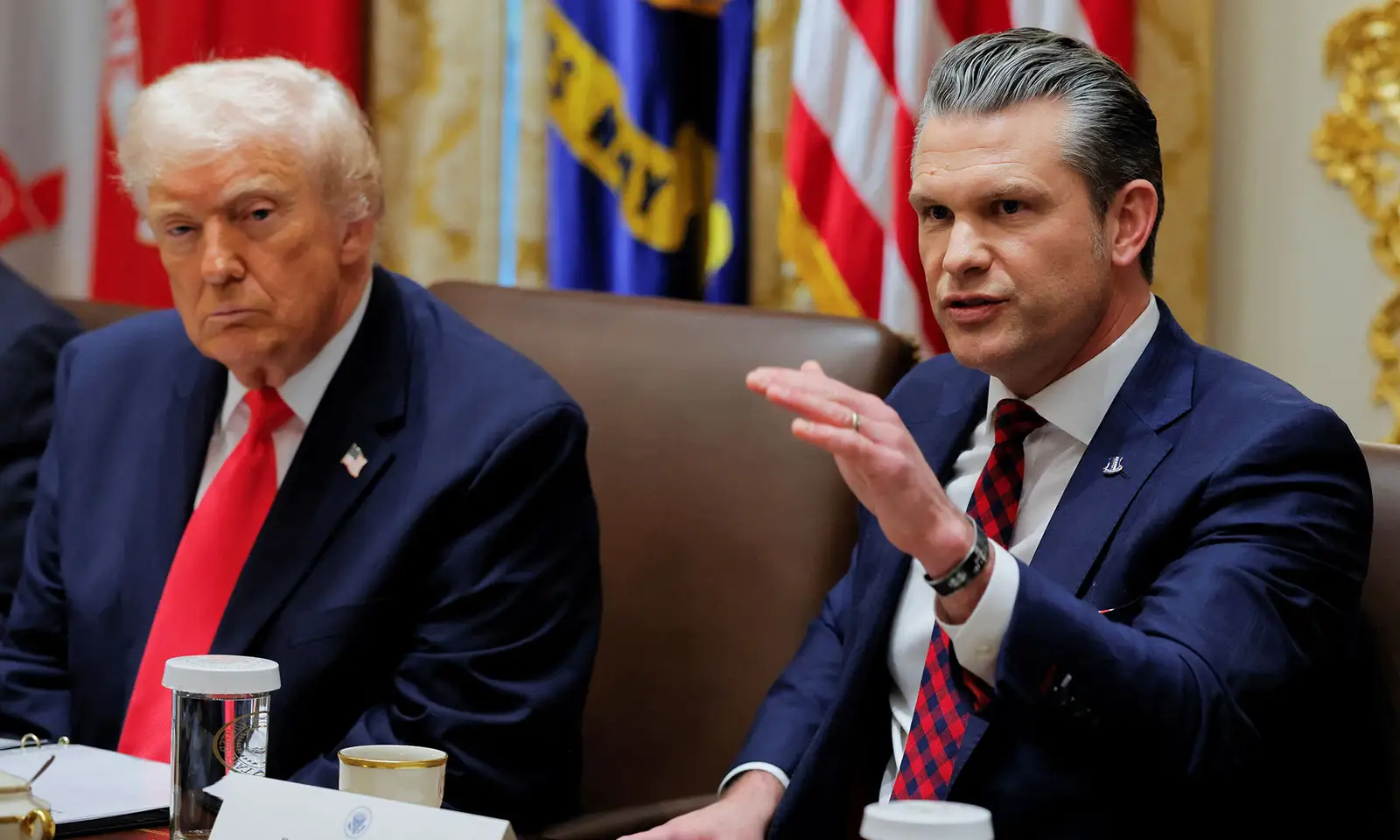
Although the seemingly contradictory reports, from the Washington Post and the New York Times, about the alleged September 2 double-tap U.S. air strike on Venezuelan drug couriers seem irreconcilable, there are points of agreement. The Post’s most controversial assertion, supported only by anonymous sources, is that Pentagon chief Pete Hegseth not only ordered the second strike on the boat’s incapacitated crew but did so with wanton disregard for U.S. law and international convention. More compellingly, the Times maintains that Hegseth did not have input at the operational level (which would be reasonable for a cabinet-level official) but he did give the orders on which his subordinates acted.
That still leaves us with several unsettling questions. Did Hegseth’s orders include a directive to kill survivors? Was U.S. Navy Admiral Frank Bradley improvising when the strikes occurred (as the administration now, belatedly, admits they did)? What kind of reaction did this inspire inside the Pentagon? If the yet unexplained resignation of onetime U.S. Southern Command deputy commander Admiral Alvin Holsey, in October, and the unexplained repatriation of survivors of drug-boat strikes are any indication, there was some potentially significant consternation inside the building after September 2.

Comments
On “Hegseth Feels the Heat”