

The New York Times has a long — and, I must say, generally fair — discussion of the contentious issue of embryo research. I won’t belabor most of the issues raised, but I want to highlight one aspect of the column that illustrates how some “expert ethicists” consider it a part of their job to conjure ways to bust through established moral limits.
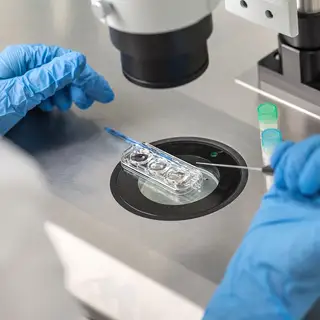
When embryonic research first started, we were told that there would be a strict 14-day limit on researching embryos in petri dishes. At the time, I said it was all baloney, that the “ethicists” established the “14-day rule” only because embryos couldn’t be kept viable in a dish after that time. In other words, they were prohibiting something that could not yet be done. But, I predicted, once the permitted research found ways to keep embryos going beyond 14 days, the rule would be repealed. And so it came to pass.




Comments
On “How ‘Expedience Ethics’ Busts Through Moral Limits”