
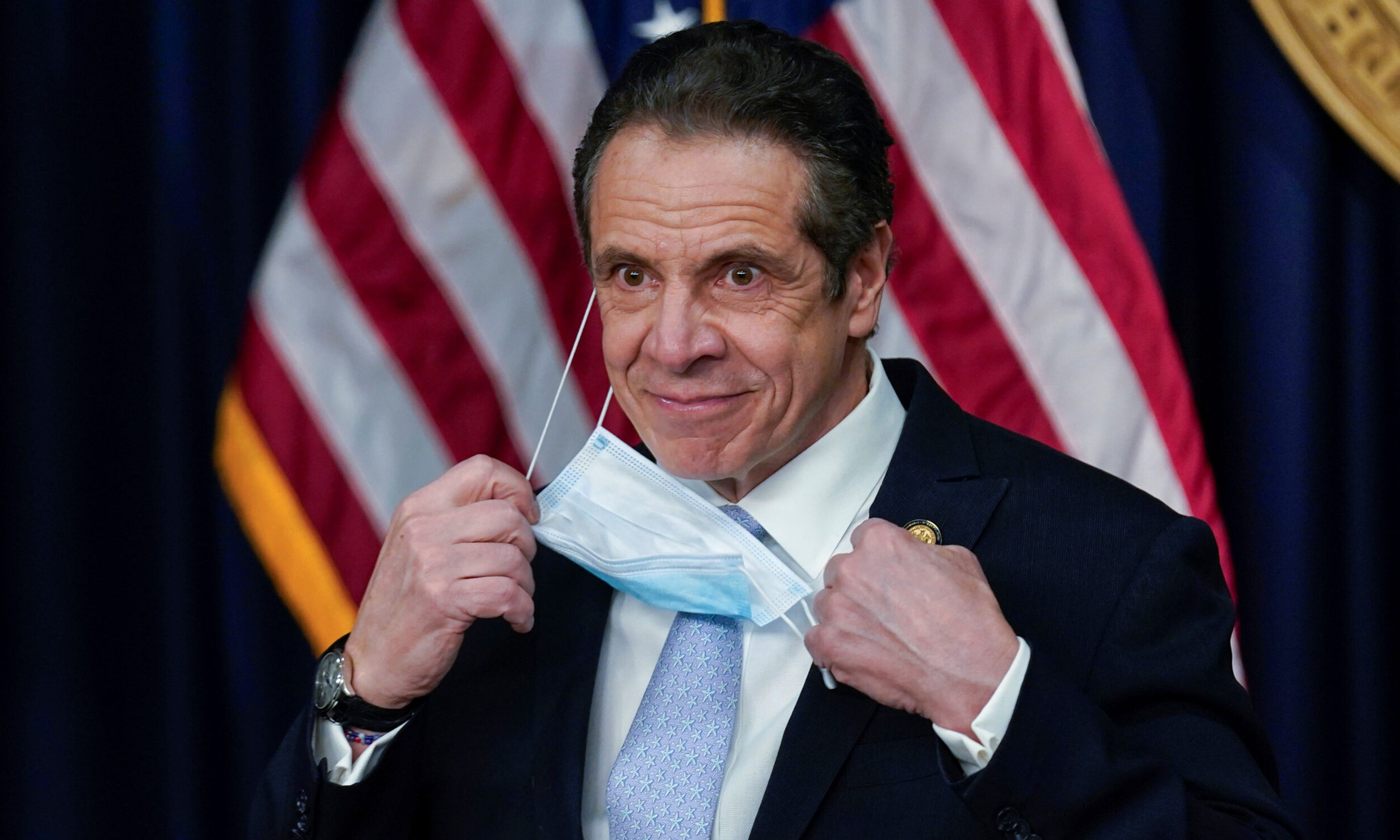
There is much to be said about the damning report on Andrew Cuomo’s serial sexual harassment released this morning by New York attorney general Letitia James — a report largely compiled by outside law firms, headed by former acting U.S. attorney Joon Kim. As Rob Ortt, the Republican leader in the state senate, asked in National Review last week, why is Cuomo still governor? The problem for New Yorkers and Democrats is the follow-up question: Where to go from here?
While we should never say never in politics, Cuomo seems extremely unlikely to resign, unless he must do so to stay one step ahead of a likely impeachment and removal by the state legislature. He is, in fact, likely to run for a fourth term in 2022 if he can avoid a serious primary challenge, and given the state’s partisan tilt, he would be favored against Long Island congressman Lee Zeldin, the likely Republican nominee. Is it possible to brazen this out? Democrats set a very longstanding template for doing so: Ted Kennedy sat in the Senate for 40 years after Chappaquiddick; Gerry Studds stayed in Congress for 14 years after a 420–3 censure vote for having a sexual relationship with an underage congressional page; Bill Clinton rode out his sexual-harassment and related perjury scandals in the White House; Alcee Hastings was elected to Congress after being removed from office for bribe-taking, and remained in office for 28 years until his death in April; Ralph Northam, Justin Fairfax, and Mark Herring are sill governor, lieutenant governor, and attorney general of Virginia, respectively, after the blackface scandals involving Northam and Herring and Fairfax’s being accused of sexual assault by multiple women. The list could go on.




Comments