
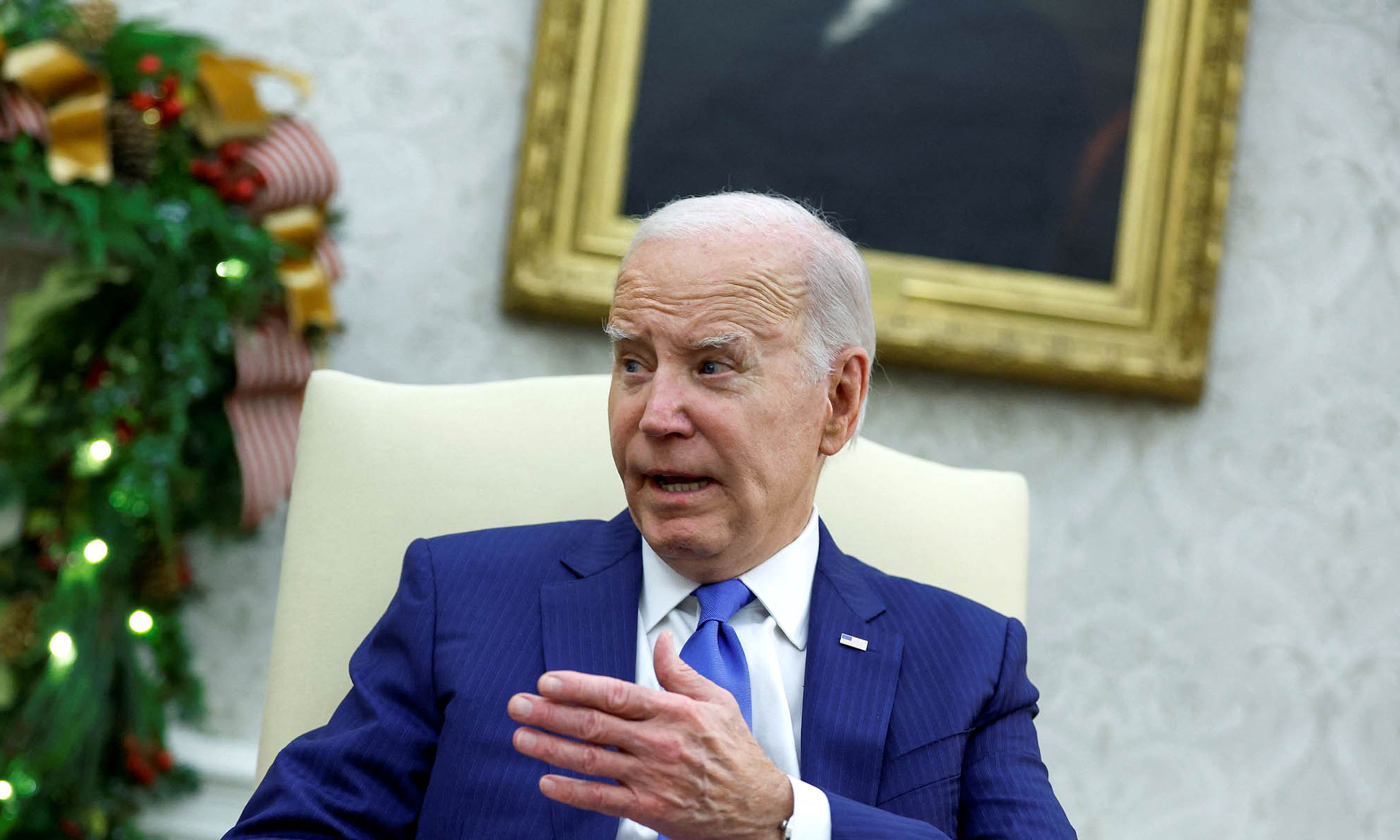
Speaker Mike Johnson (R., La.) is reportedly pushing his thin Republican majority toward a vote that would, for the first time, give formal House approval to the ongoing investigation that has been labeled an “impeachment inquiry” targeting President Biden.
As we’ve previously noted (see, e.g., here, here, and here), in September, then-speaker Kevin McCarthy (R., Calif.) unilaterally declared the ongoing investigation to be an impeachment inquiry. This was problematic: (a) There is a significant question about whether the speaker has such authority; (b) McCarthy himself had objected vehemently in 2019 when then-speaker Nancy Pelosi unilaterally authorized an impeachment inquiry (the Ukraine impeachment) against then-president Donald Trump (though McCarthy reasoned, in connection with the Biden inquiry, that his objection notwithstanding, Pelosi’s action had become a precedent supporting his action); and (c) the Trump Justice Department took the position that the impeachment inquiry was illegitimate because it was not supported by a vote of the full House.




Comments