
Ramesh,
I am sure Andy has made all possible arguments in Giuliani’s defense on this specific charge, but given our conservative understanding of the limits of even the best-run government, the expectation that interoperability problems under the unanticipated, act of war conditions of 9/11 should have been fully comprehended and solved beforehand, is a bit unreasonable.
It is worth noting that it took the U.S. military more than a decade to work out (most of ) the severe interoperability problems that only became manifest in Desert Storm, in 1991. Despite the fact that a panel of leaders of each of the military services — a.k.a. the Joint Chiefs of Staff — let alone a dedicated executive — the Secretary of Defense — preside over all of the services together, and warplans were coordinated in advance — not until they were engaged in fighting a real war did it become clear that reasonable choices of different weapons and communications systems made real time battlefield communications problematic. Even where communications worked, so that one service could call in the air support of another, for instance, there was no guarantee that that particular mission would get equal priority from the second service.
Why did this happen? Because that is the way bureacracies work, until there is some very compelling reason for them to fix things — usually measured in dead bodies. That’s true even of bureacracies whose job is to co-ordinate forces to fight wars. Nor is the fix free. In the case of the military, almost two decades of conscious “jointness” and the advent of stunningly sophisticated real time communications, unaffordable and mostly unnecessary for police and fire departments, have gone a long way in fixing things. Though the current wars in Iraq and Afghanistan have certainly illustrated continued shortcomings. The idea that New York City’s fire department and police department — traditionally completely separate entities — would have been sufficiently integrated before the cost of not doing so was demonstrated, ascribes a little too much foresight to government.
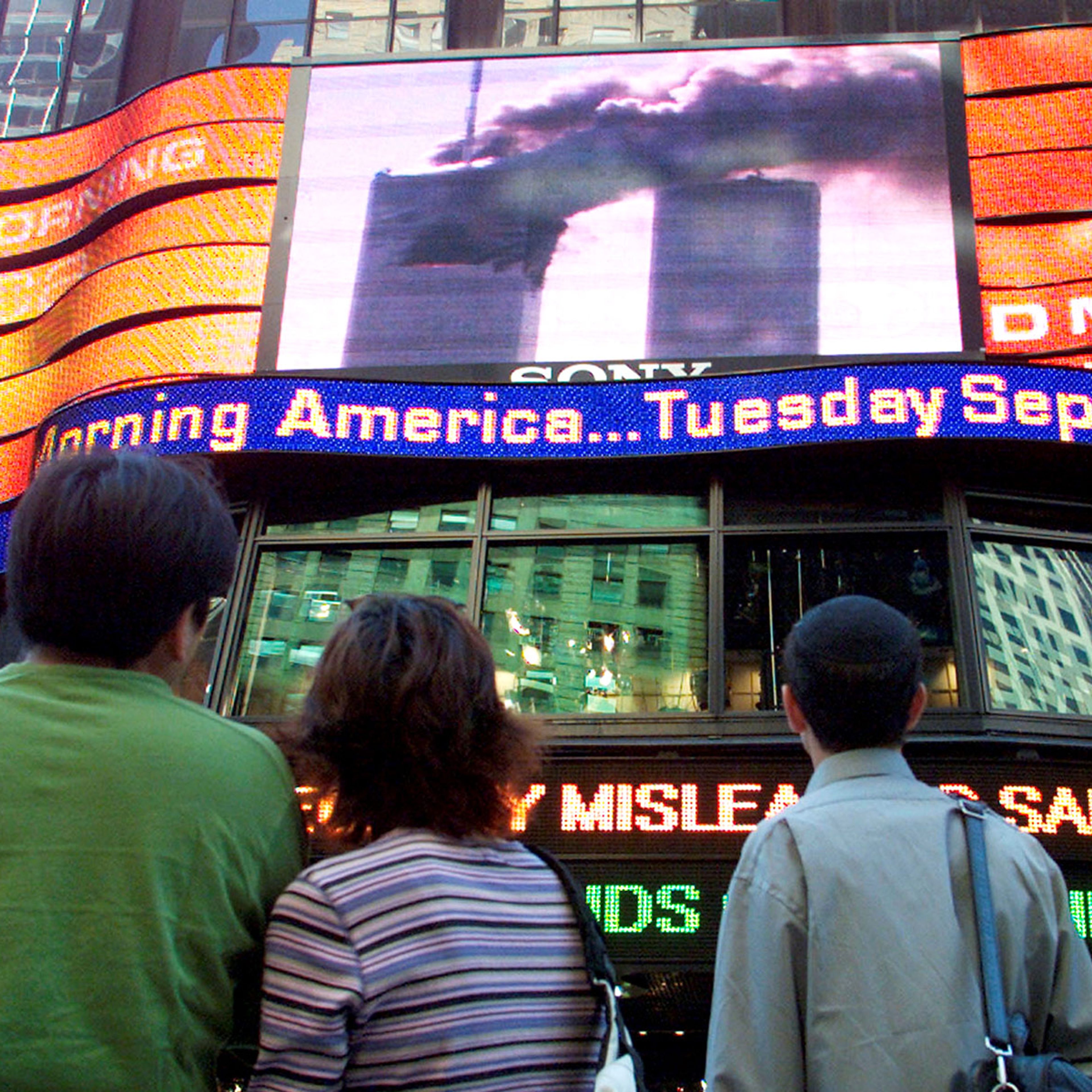
As for blaming Rudy Giuliani for failing to anticipate an act of war on the scale of what happened on 9/11 — that is preposterous. Who did? Not the feds. (For many reasons certainly including a version of interoperability — between the FBI and the intelligence agencies.) I find it credible that most of NYC’s planning for terrorism was, as Giuliani has stated, for the traditional sort: suicide bombers, hostage takings, blowing up public buses, hijacking school buses, car bombs at rush hour. In any of those instances the cost of insufficient police-fire ability to communicate in real time would have been much smaller, and the traditional lines of communication would probably have sufficed.


Comments