
With 99.7 percent of the votes counted in Israel this morning, Tzipi Livni’s centrist Kadima party was leading Benjamin Netanyahu’s right-wing Likud party 28 seats to 27. The fact that Kadima earned more seats was a surprise, given that Israel has undeniably swung to the right in recent months–in the face of Hamas attacks, the Iranian threat, and the lack of diplomatic progress with a divided Palestinian body politic.
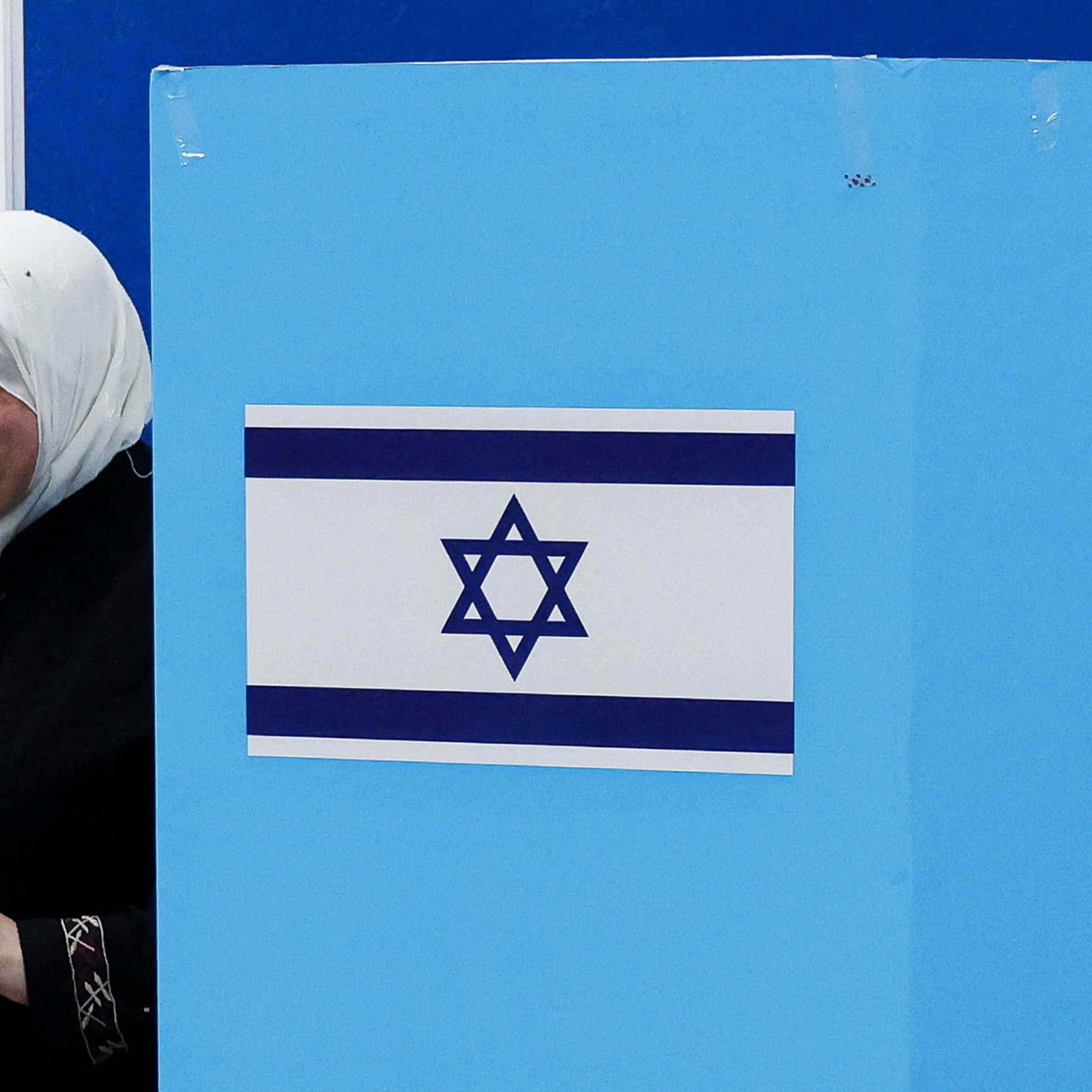
But in the Israeli political system, the prime minister takes office not when his party gets the most seats in the legislature, the Knesset, but when a majority of Knesset members vote for him. Many parties besides the Kadima and the Likud have representatives in that body (which has a total of 120 seats), and these minor parties will play a deciding role. As a result, Netanyahu will probably be the next prime minister.
To supplement her 28 seats, Livni may be able to woo support from a few other left-leaning parties, but it’s unlikely this will put her over the 61-seat mark. This happened to her once before, in October 2008, when Ehud Olmert yielded control of Kadima (and the Israeli government) in the face of corruption charges.
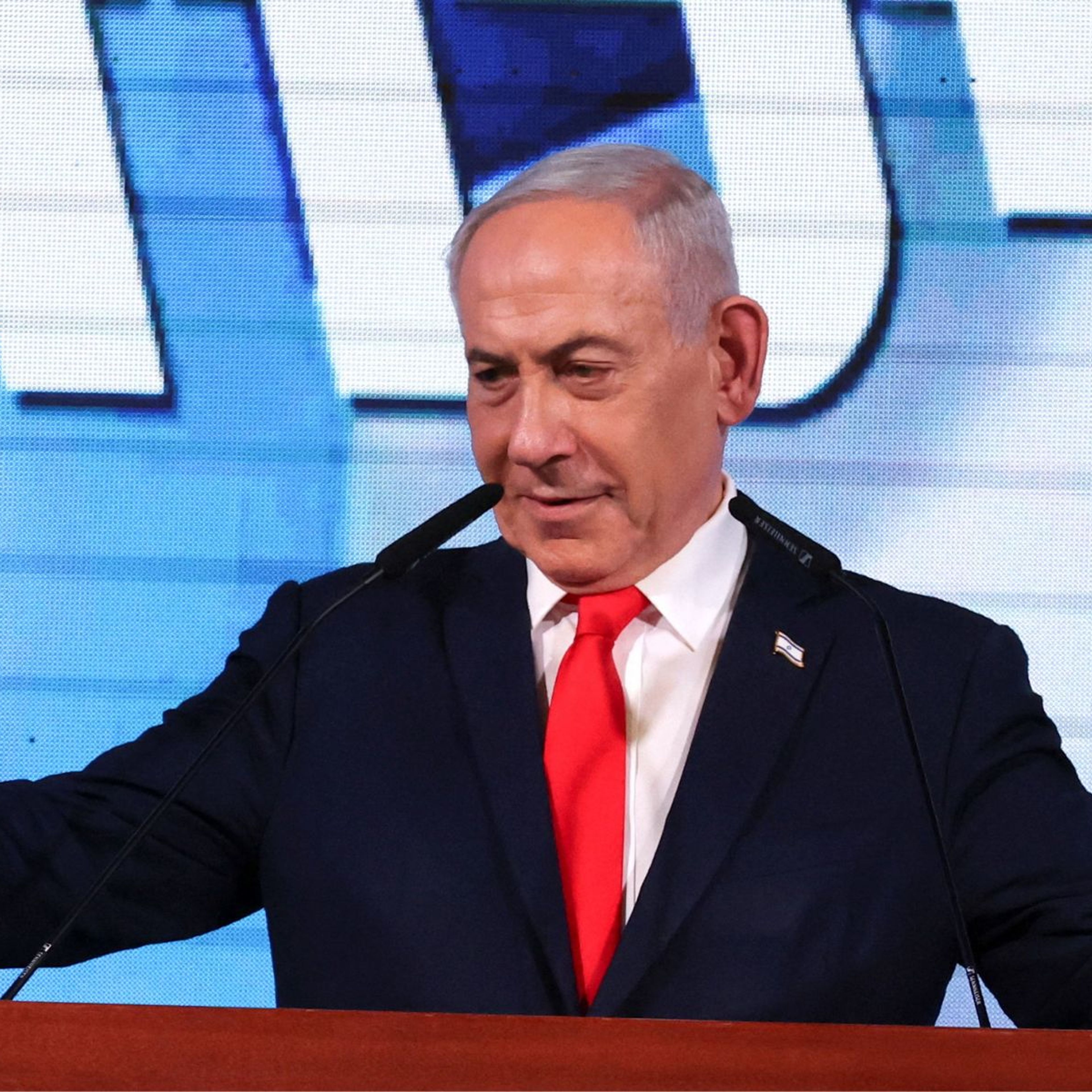
Netanyahu, for his part, has 27 seats from yesterday’s election, plus another 15 from the harder-right Israel Beiteinu. With support from several other small parties, he appears able to hit the 61-seat mark.
Kadima’s Shimon Peres, in perhaps his most important duty as Israel’s president–it’s mostly a ceremonial role, as the prime minister is the head of the government–will almost certainly conclude in the coming week that he must invite Netanyahu to form a coalition because the Likud leader has the best chance at creating a stable and lasting government.
Netanyahu’s policies, however, may not necessarily mesh with those of U.S. president Barack Obama. For example, Netanyahu has pledged that Israel will not cede control of the Golan Heights. Such a concession would be necessary to achieve peace with Syria–which appears to rank among Obama’s top diplomatic priorities in the Middle East.
Netanyahu has also bluntly stated that he will not allow Iran to gain access to nuclear weapons under any circumstances. This could conflict with Obama’s approach of extending an “outstretched hand” to Tehran.
Finally, Netanyahu has indicated that he is less flexible on the land-for-peace permutations suggested by other Israeli leaders in their diplomatic discussions with the Palestinians.
Nonetheless, Netanyahu will embrace the time-honored tradition of making the long flight across the Atlantic to meet with the new U.S. president. If history is any guide, after a private meeting (in which differences will be aired), the two leaders will emerge and confirm to the media that Israel and the United States are committed to peace and will work closely to this end.
— Jonathan Schanzer, an adjunct scholar at www.Campus-Watch.org, is deputy executive director of the Jewish Policy Center, and author of Hamas vs. Fatah: The Struggle for Palestine.



Comments