
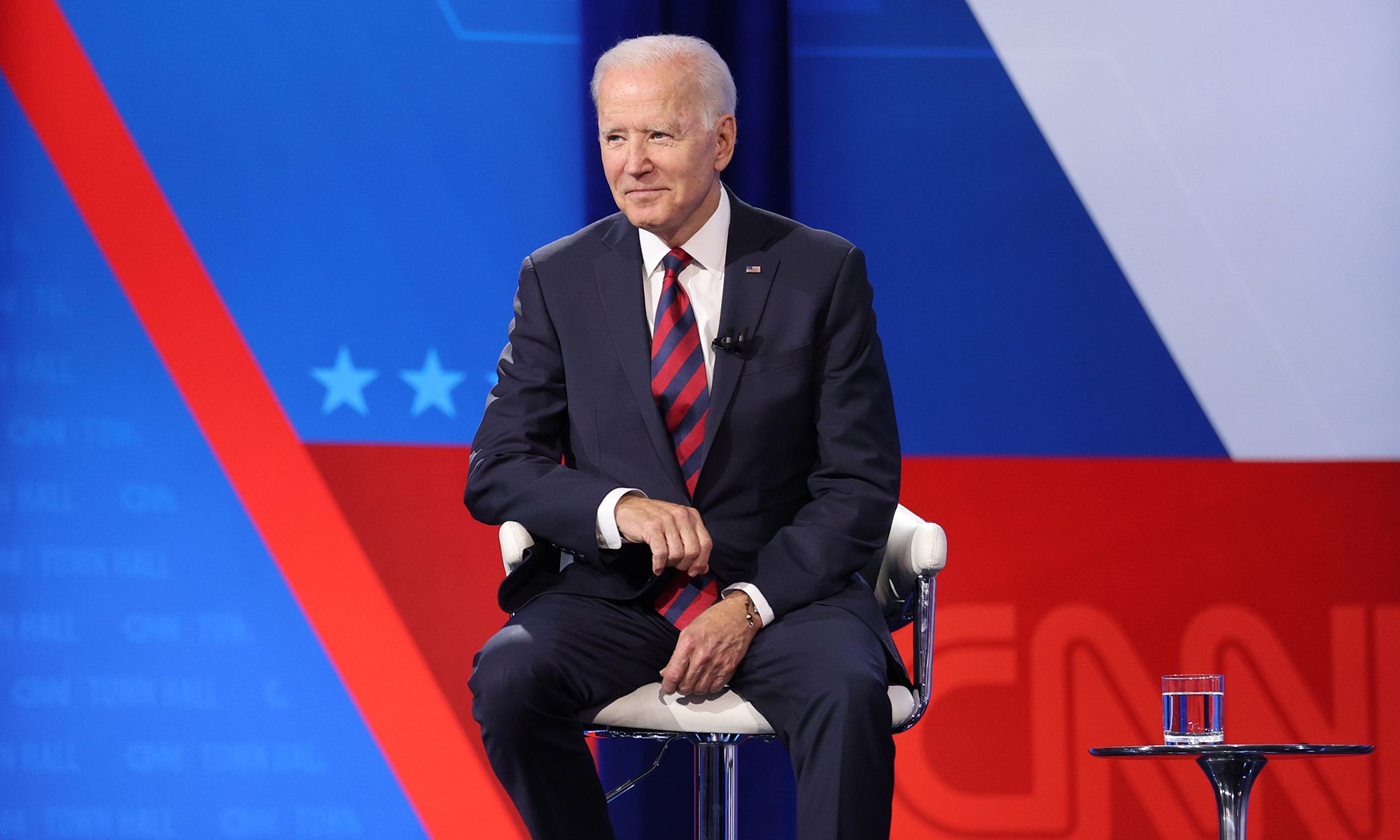
The “town hall” format for televised debates and other media appearances ostensibly originates from the Norman Rockwell ideal of civic participation, in which a lone engaged citizen boldly stands up to question a political figure. That’s all well and good. But in practice, they became commonplace in presidential politics in 1992, the first presidential election year after the Cold War ended, when the clearing of the nuclear Sword of Damocles from over our collective heads liberated our politics to become unserious. Which is why the first of these town hall “debates,” between George H. W. Bush, Bill Clinton, and Ross Perot, had a man ask the following question seriously to the candidates, with a genuine answer expected:
The format of these events engenders a false empathic connection between presidents or would-be presidents and the people lucky enough — or just pre-selected — to ask questions. The questioners typically reciprocate this connection, establishing political figures as essentially national caregivers who are somehow directly and mysteriously in touch not merely with the individuals who question them but more generally with an ethereal national will only they can discern. It’s a hideous spectacle unbecoming of a self-governing republic, and it has only grown worse since its origination. It should be abolished.

Comments