
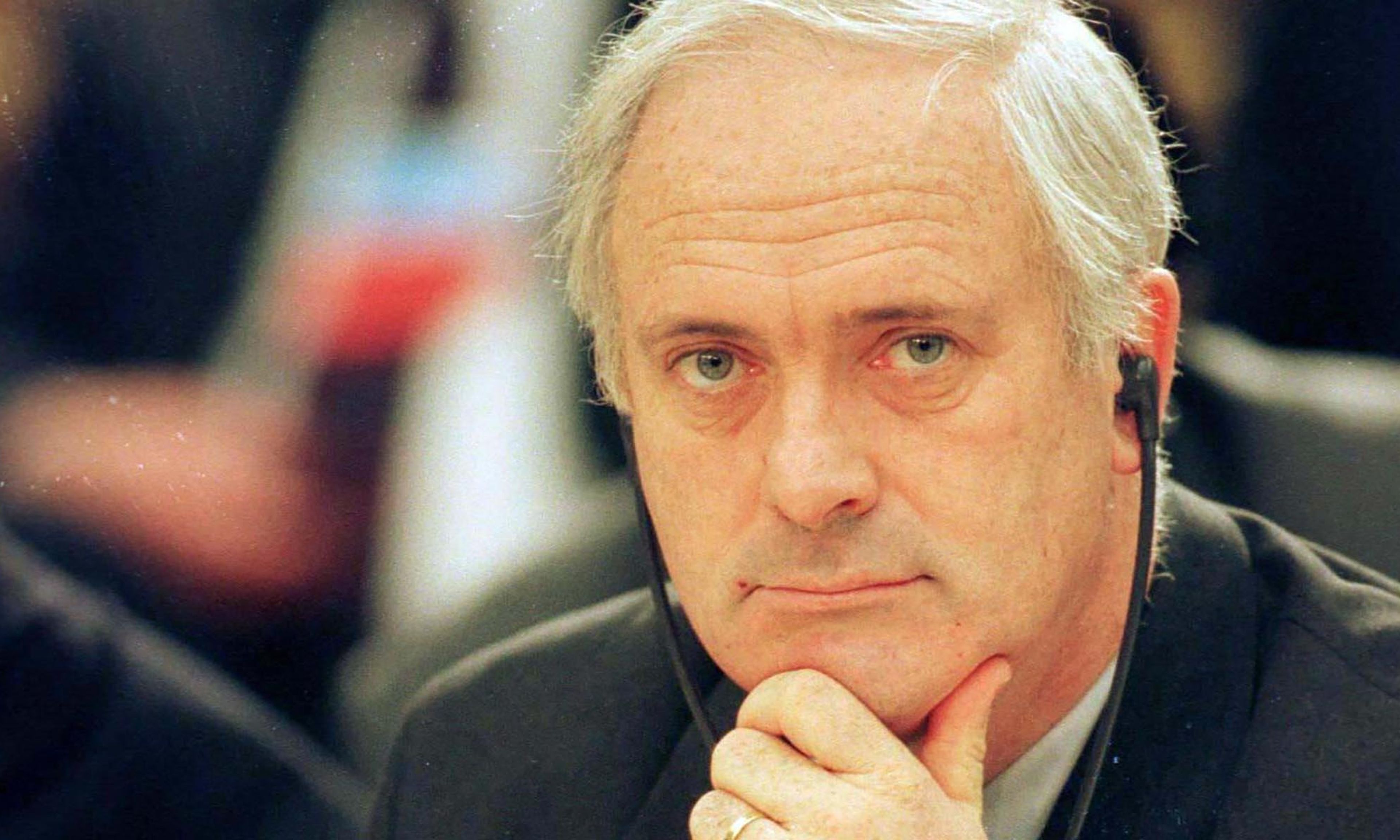
Former Taioseach of Ireland John Bruton died yesterday. He held Ireland’s premiership from 1994 to 1997, crucial years in which the island of Ireland saw a cease-fire by the IRA just before the Good Friday agreement. In my accounting, Bruton will go down as the last traditional specimen of Fine Gael as it was originally.
It has always been hard to explain to outsiders the political divide that ruled Ireland from its independence until recently, as it didn’t fit neatly along a familiar left-right spectrum. Fine Gael was more moderate where Fianna Fáil was ambitious, and more practical where Fianna Fáil was romantic — one could even say more Anglo-Norman than Gaelic. Fine Gael was slightly more secular, but more capitalist.
In his prime, Bruton was a thoughtful contrarian in Irish life. Where most of the Irish political class looked back to various strands of the revolution of 1916, Bruton was devoted to the legacy of the Irish Parliamentary Party and its head, John Redmond. He hung Redmond’s portrait in his office. The character he developed as a result of his contrariness stood him well late into retirement. While the entire Irish political class migrated on social issues, Bruton stood with his increasingly unpopular convictions, such as the belief that life is the primary human right.
In a small way, Bruton was responsible for provoking me into writing My Father Left Me Ireland. He gave a speech on why Ireland should celebrate the centenary of Home Rule’s passage in the Parliament. He did so by taking on directly the rhetoric of Patrick Pearse himself.
“Sacrifice breeds intransigence,” Bruton said in that speech, “The dead exert an unhealthy power over the living, persuading the living to hold out for the impossible, so that the sacrifice of the dead is not perceived to have been in vain.”
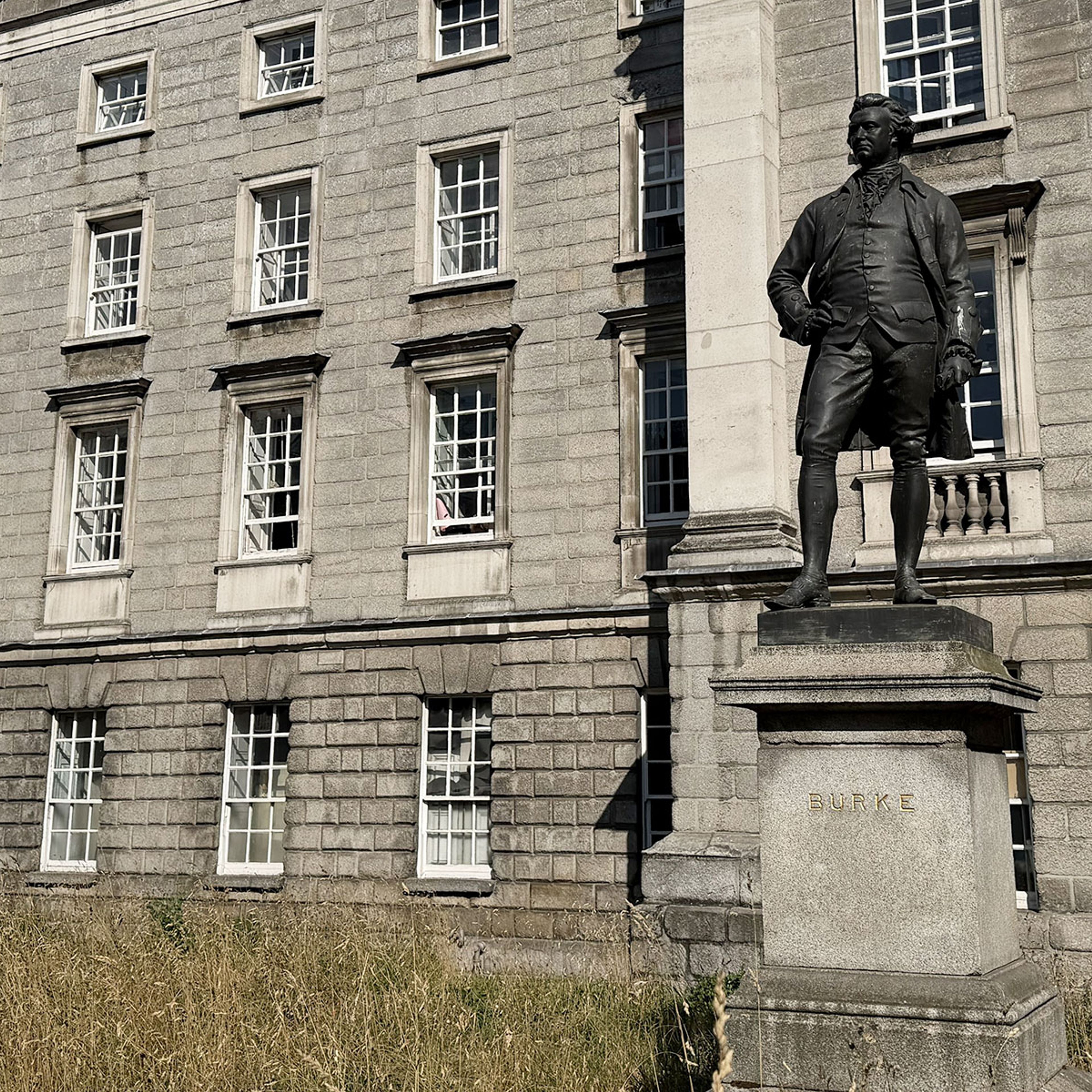
I know that Bruton intended these words as a rebuke of the Provisional IRA, and if that’s all it was, I agree with him. But it’s not and it wasn’t. It was also, even if inadvertently, yet another articulation of “Modern Ireland’s” aspiration to liberate itself from history. Hearing his categorical rejection of the sacrifices of the dead and their power over the living as my first child grew in my wife’s womb, and as I mourned my own mother’s death, provoked me to explore the relationship of Burke’s “living, unborn, and the dead” in the deepest way I could. I felt honor-bound to play the role of obstreperous exile, to launch my own provocations and argue against Modern Ireland and for not throwing out our inheritance, even if it is a burdensome one.



Comments