
Late last year, I wrote a piece for NRO on the ways in which the Merkel years can in some ways (only some ways, I should emphasize) be compared with what subsequently became known as the Soviet Union’s “stagnation period,” under another long-serving leader, Leonid Brezhnev.
Now, via the Financial Times:
German businesses have long complained about soaring energy costs, a heavy tax burden and the woeful state of Germany’s digital infrastructure, with companies enduring some of the slowest internet speeds in the EU….
Some of these complaints were included in a speech by Dieter Kempf, the head of Germany’s industrial lobby, in a speech earlier this week.
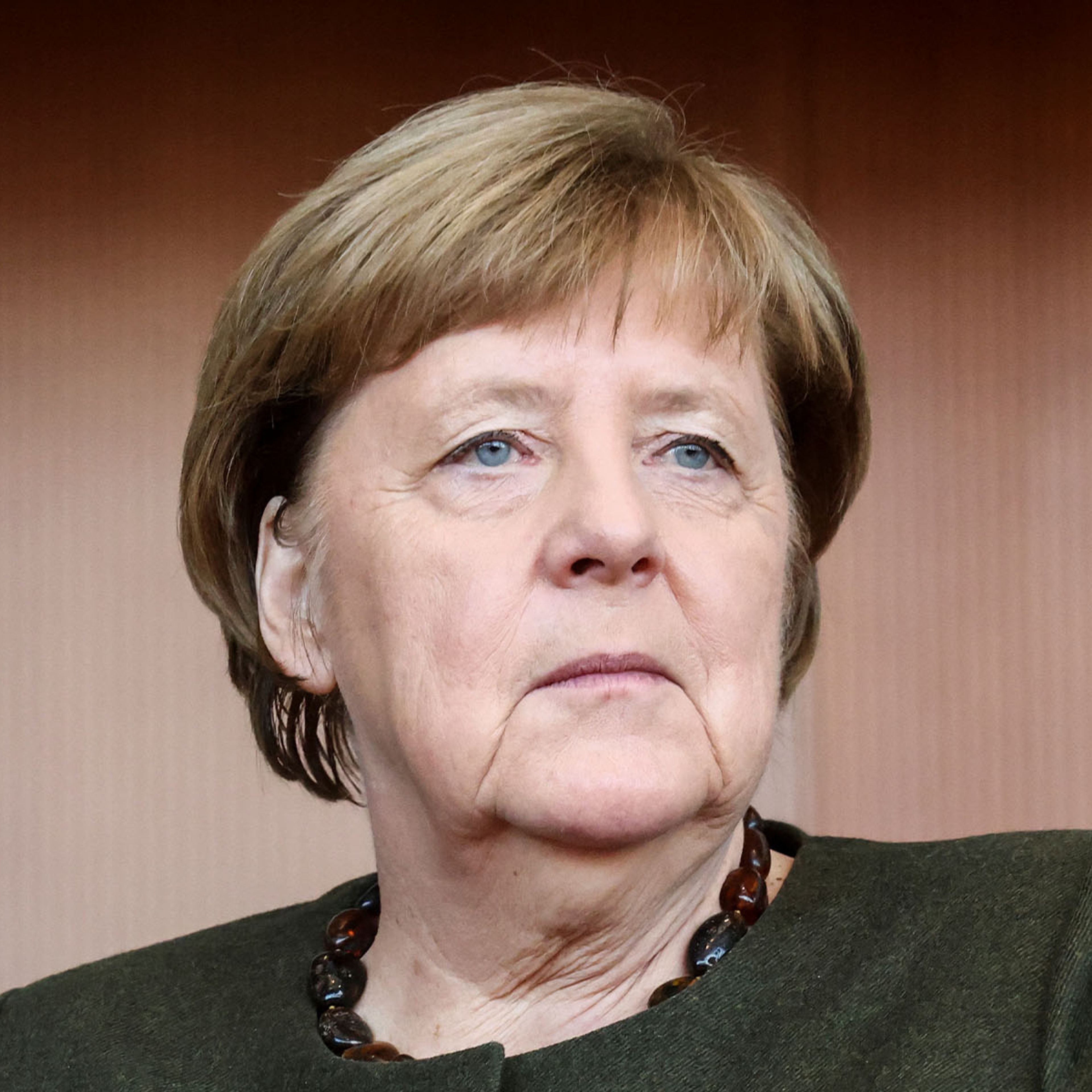
Merkel retorted that German business had also “lost the confidence” of society, thanks to the diesel-emissions scandal, a somewhat strange reply, being both an imputation of collective guilt across the whole of German industry for wrongdoings within one (admittedly large) sector and, when it comes to addressing the criticism directed at her, an irrelevance. She has, after all, been chancellor since 2005. Perhaps the “leader of the free world” was having an off day.
Additionally:
[Merkel] listed measures that the government had undertaken over the past few months to help business, such as a new immigration bill that should make it easier for companies to attract skilled labour.
The chancellor said the coalition had also adopted measures to ensure all schools had a fast internet connection, that Germany spent 3 per cent of gross domestic product on research and development, and that it invested more in artificial intelligence.
But that failed to impress business leaders. Mr Kempf said business expected the government to provide answers to the big questions facing society. Instead, it was “working its way down a list of small-bore policies” solely designed to improve the governing parties’ performance in the next opinion poll. It was also wedded to an “unhealthy degree of redistribution”.
“Social spending just keeps growing, while the coalition will only invest an extra €1bn to promote artificial intelligence by 2023,” he said.
Among Mr Kempf’s demands is a reduction in the average rate of corporate taxation from 31 to 25 per cent, closer to the EU average of 22 per cent. He also called on the government to speed up its buildout of Germany’s electricity grid, claiming that only a quarter of the 7,700km planned extensions of the network had been permitted or completed.
“We find it hard to discern a clear economic policy in the work of the government,” Mr Kempf said. “[It] is simply managing the status quo.”
Brezhnev would have understood.


Comments