
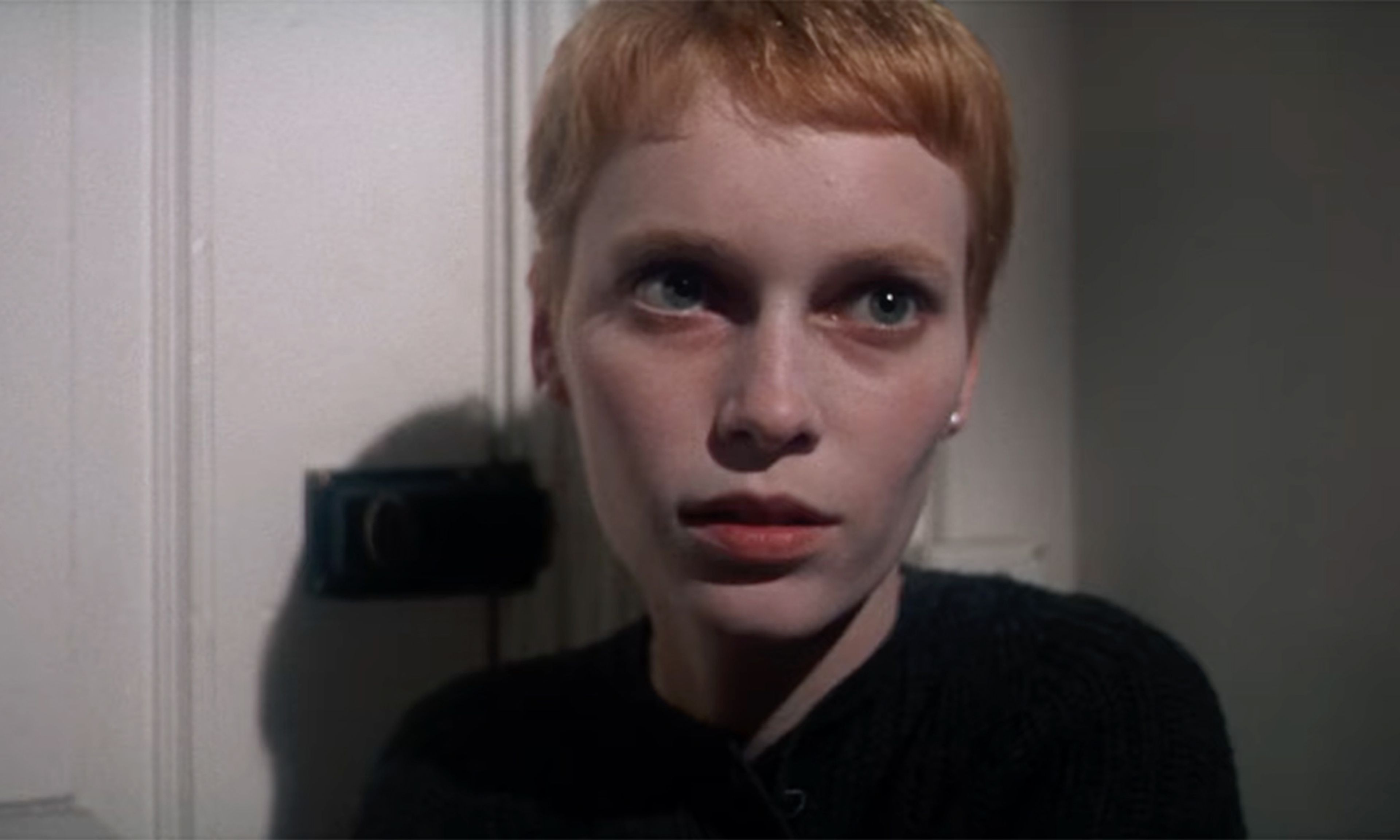
At the Bulwark, Zandy Hartig makes the case for the renewed relevance of Rosemary’s Baby (focusing on Roman Polanski’s 1968 film, not the 1967 Ira Levin novel on which it is based). I have also made the case for the timelessness of the work. But Hartig’s argument is strange, and misguided. Her interpretation turns the story, which is about how a New York City woman unwittingly becomes the mother to Satan’s baby, into a rote allegory for a post-Dobbs America. “Rosemary Woodhouse (Mia Farrow)’s fate — like many pregnant women then, before, and presently — is at the mercy of those who see her womb solely as a vessel for their own ambitions,” she writes. “And as much as she fights for her bodily autonomy, she is ultimately powerless against the dark forces that want to control her and the baby inside her.”
To make this case, Hartig distorts three aspects of the film. The first is the nature of the arrangement that leads to Rosemary’s plight. She does correctly note that Guy, her husband, subjects her to his own desire to make it big as an actor. When the Woodhouses move into the same apartment building occupied by a demonic cult, Guy rushes at the opportunity to make a deal to secure his own fame at Rosemary’s expense. When the true nature of the evil he agreed to is revealed, Guy defends it on extremely worldly grounds, saying “We’re getting so much in return.” Up to that point, in fact, what had prevented them from having children was Guy, who “wasn’t ready yet.” In a time of collapsing birthrates and people choosing other goods over children, this same spirit of worldliness manifests more obviously nowadays in the act of abortion.




Comments