
The big story from the Michigan primary elections last night was the defeat of Peter Meijer by his Trump-endorsed challenger, John Gibbs. As such, the most attention was rightfully paid to the Republican races.
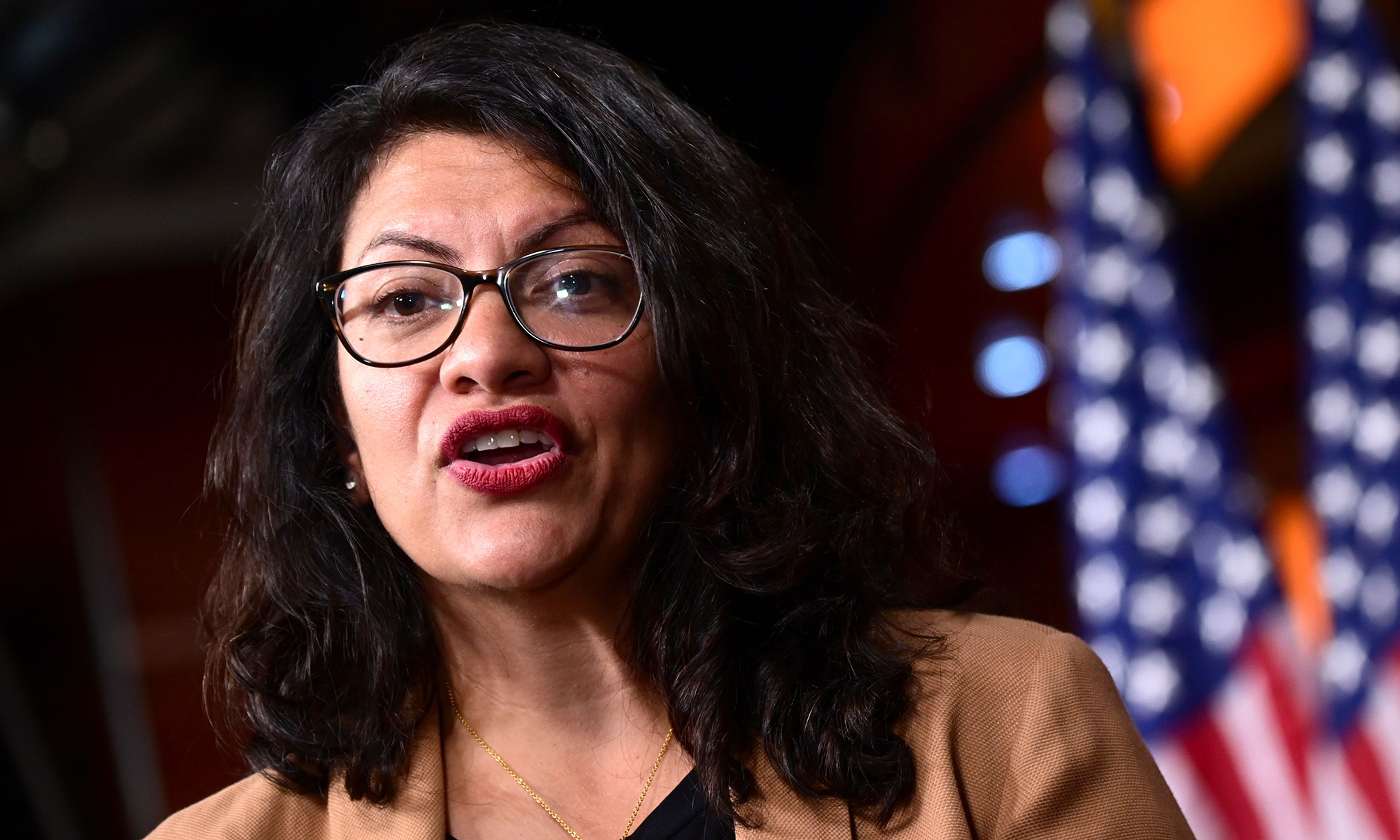
At the same time, there were significant races in the Democratic field, chief among them a challenge to Rashida Tlaib. The member of the progressive “Squad” in Congress faced a bit of competition from Janice Winfrey, a more moderate candidate in the primary for Michigan’s twelfth congressional district.
Though Winfrey toed the usual Democratic line on abortion and gun control, she attacked Tlaib on other issues. Winfrey “stands with Israel and democracies everywhere” and supports more police funding, not less, as well as “better training for our police,” her website reads.
Unfortunately for Winfrey, Tlaib proved too popular among her base. The incumbent won by 41 points, securing her nomination and likely her place in Congress, as she is running in a D+44 district, according to FiveThirtyEight.
But Tlaib’s influence in her incredibly blue district did not extend to another important race in Michigan. As a result of the state’s population decline recorded in the 2020 census, Michigan lost a House seat, so the legislature had to do some redistricting.
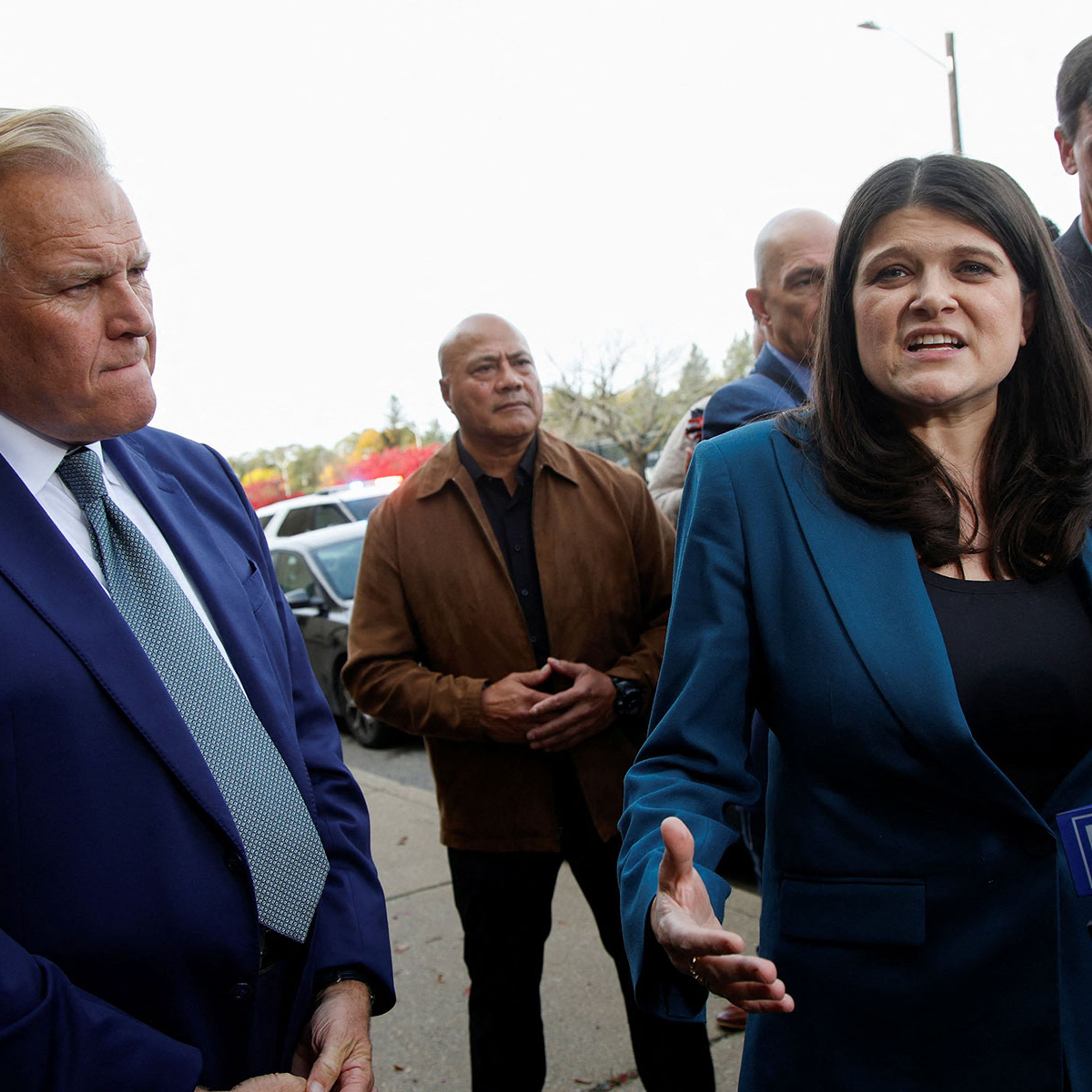
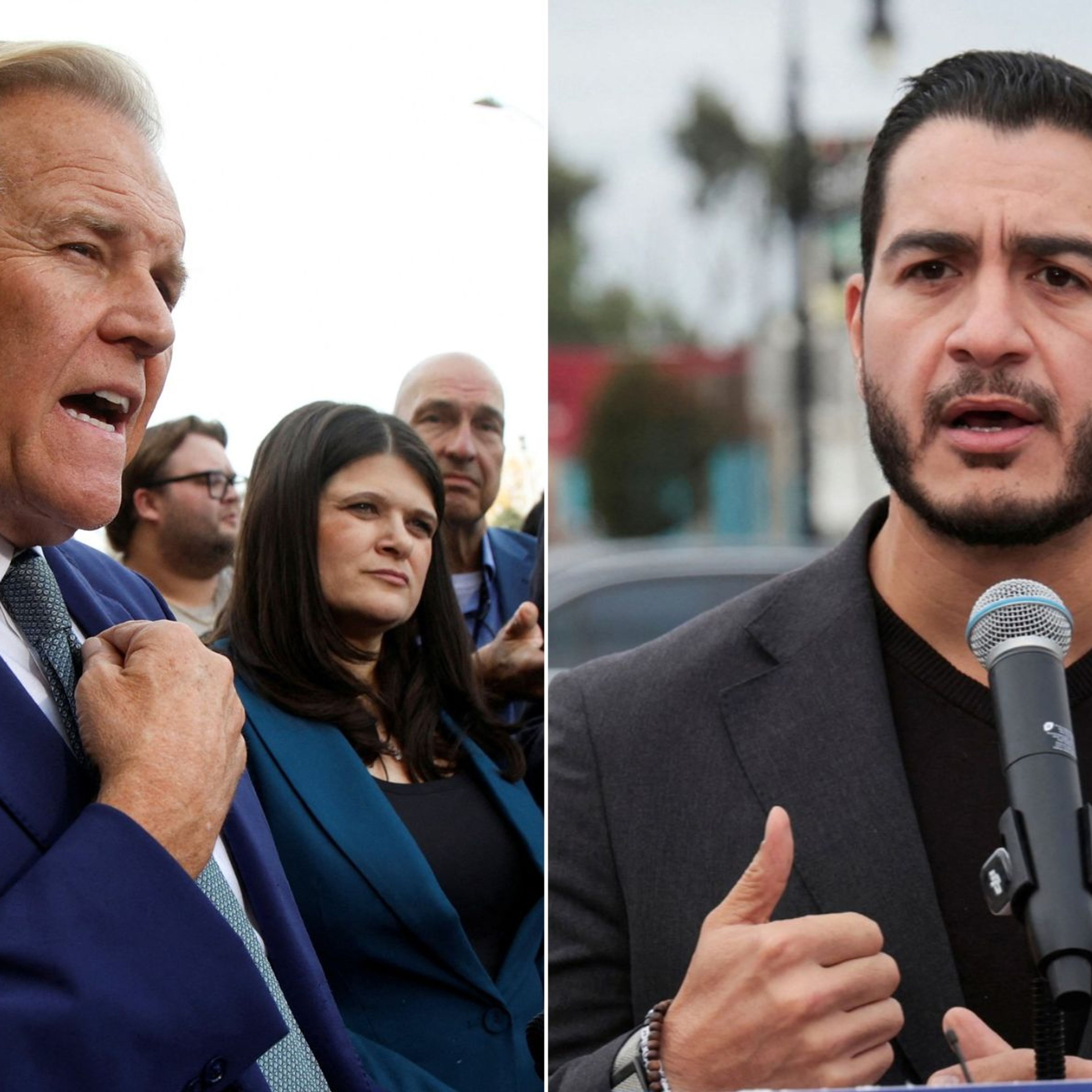
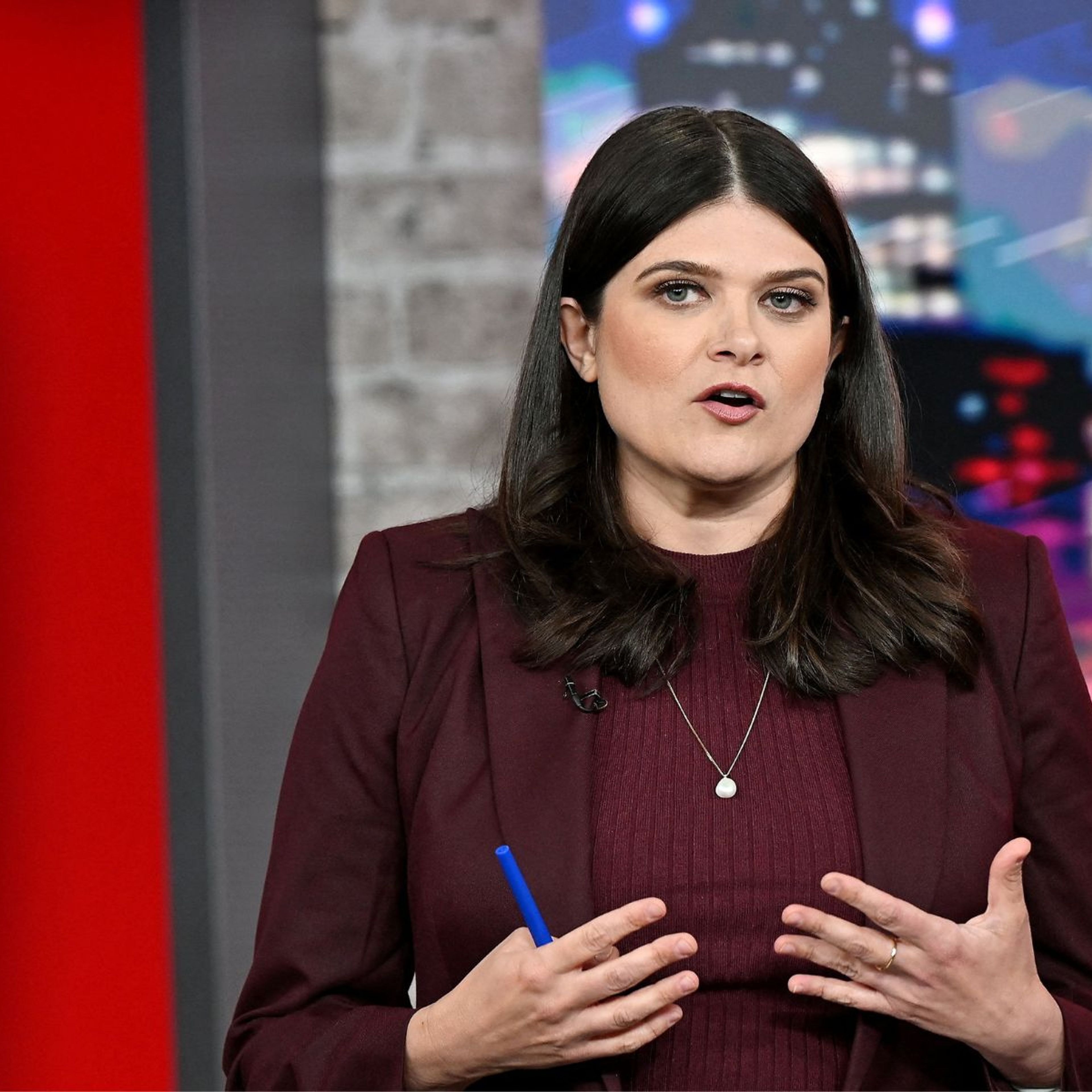
Some incumbents got a bit of a raw deal, seeing the partisan makeup of their districts change in such a way that hurt them. But no two were more unfortunate than Democrats Haley Stevens and Andy Levin, two incumbents who were forced to face off against each other in the eleventh congressional district.
The battle lines were quickly drawn, with more radical politicians, including Tlaib and Senator Bernie Sanders, favoring Levin. Stevens, on the other hand, received an endorsement from Hillary Clinton.
More interesting, however, were the interest groups, especially those surrounding Israel, that weighed in on the campaign. Considering that Tlaib, who supports the boycott, divest, and sanctions (BDS) movement against Israel, put her support behind Levin, it is easy to predict which groups would endorse him.
J Street, though it rejects the Global BDS movement, which has ties to antisemitism, does “not oppose boycott, divestment, or sanctions initiatives that explicitly support a two-state solution.” The group endorsed Levin and spent $700,000 on television ads for him.
That contribution is ironic because Levin said at a rally July 31 that pro-Israel groups such as AIPAC “cannot buy our democracy.” (When Ilhan Omar said something like that, it was derided as antisemitic.) In fairness to Levin and J Street, their effort was in response to AIPAC, which spent about $2 million in the race for Stevens.
Despite the money that J Street put up for Levin, he lost to Stevens by 19 points. The main reason that Tlaib could win her own race but not successfully apply her influence elsewhere is simply that Levin’s district wasn’t as blue. Levin and Stevens fought for a D+14 district, one that, while very committed to Democratic policies, is not as receptive to the radical progressivism that Levin represented.
The lesson for the Democrats is clear: While far-left policies and ideologies may be popular in progressive bubbles, they lead to failure when they are exported to the rest of the country. Democrats dodged a bullet in this race. We’ll see if they learn from this election before the midterms.


Comments