
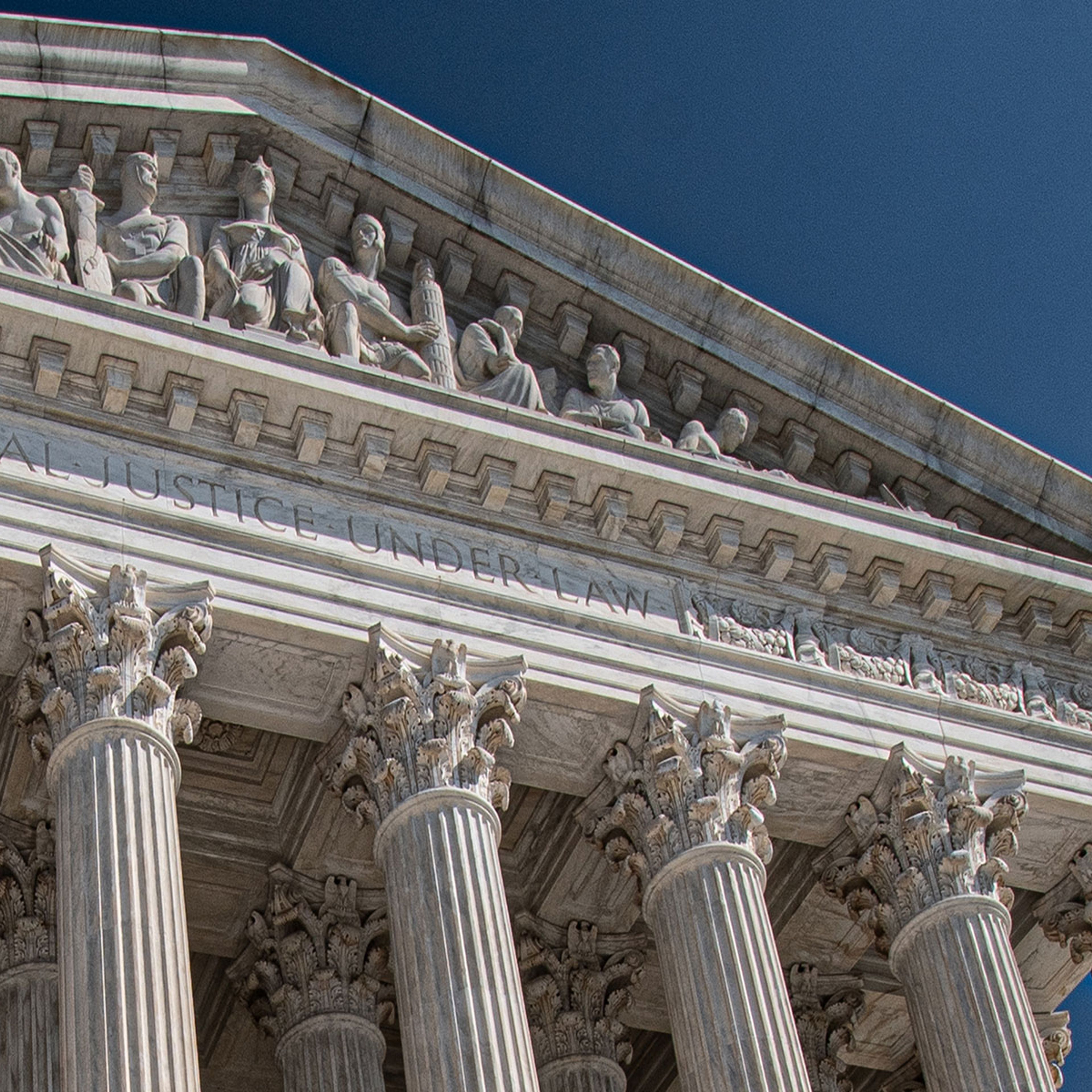
A recent controversy over an execution in Alabama — one discussed at NRO by David French — has helped to revive the progressive talking point that advocacy of “religious freedom” is really only advocacy of religious freedom for conservative Christians. In the Wall Street Journal, Luke Goodrich, vice president of the Becket Fund for Religious Liberty, points out that this criticism is incorrect, at least as it pertains to the Supreme Court and to leading religious-liberty litigators.
But accusations that the Supreme Court’s decision reflects anti-Muslim bias are also mistaken. The justices didn’t reject the prisoner’s claim on the merits; instead, they said his claim came too late. Legally, that distinction is important because it means the decision creates no new precedent for religious-freedom cases.
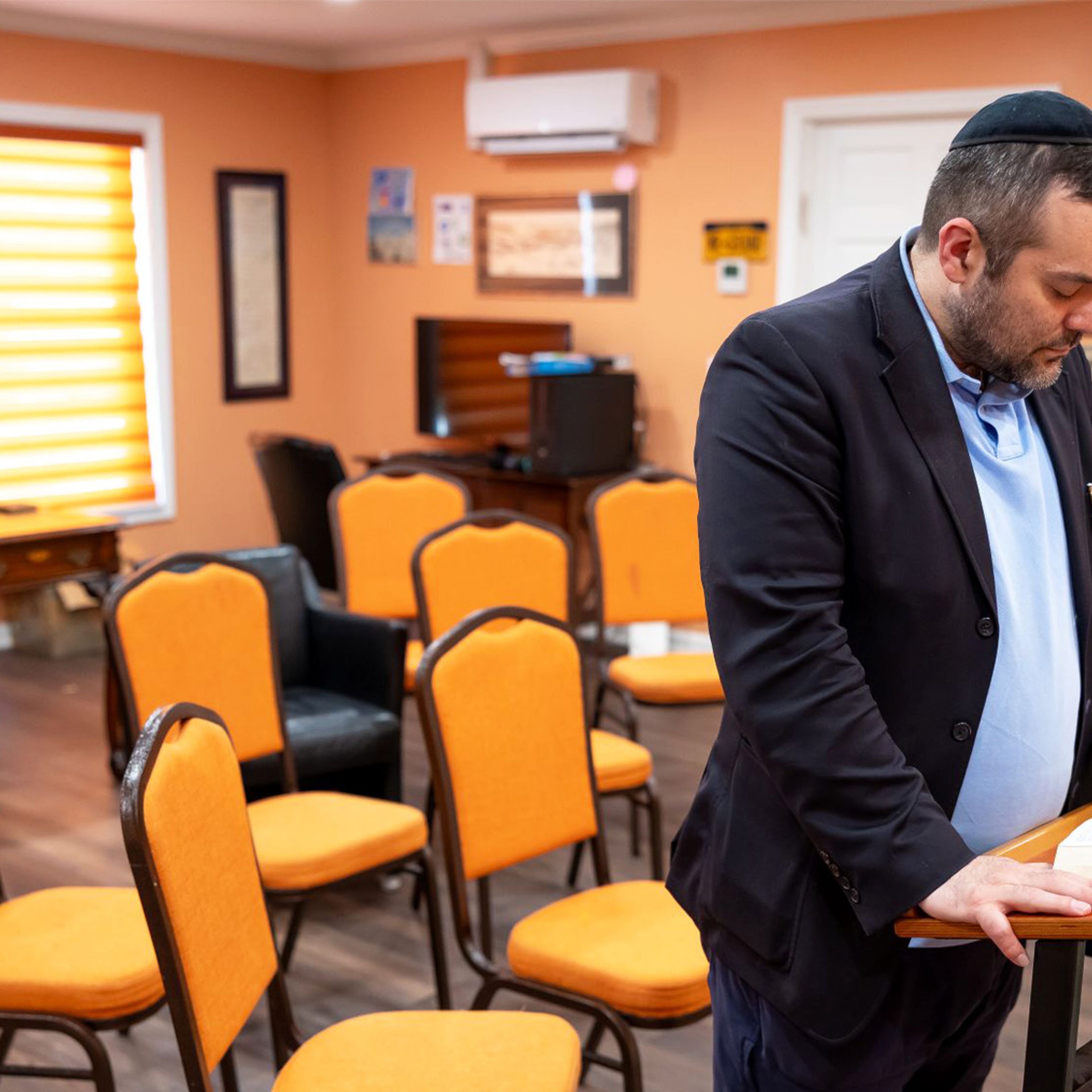
In 2015 the Becket Fund represented a Muslim prisoner who wanted to grow a half-inch beard. The Supreme Court handed him a unanimous religious-freedom victory. That same year the court ruled in favor of a Muslim woman who wanted to wear a hijab while working for Abercrombie & Fitch .




Comments