
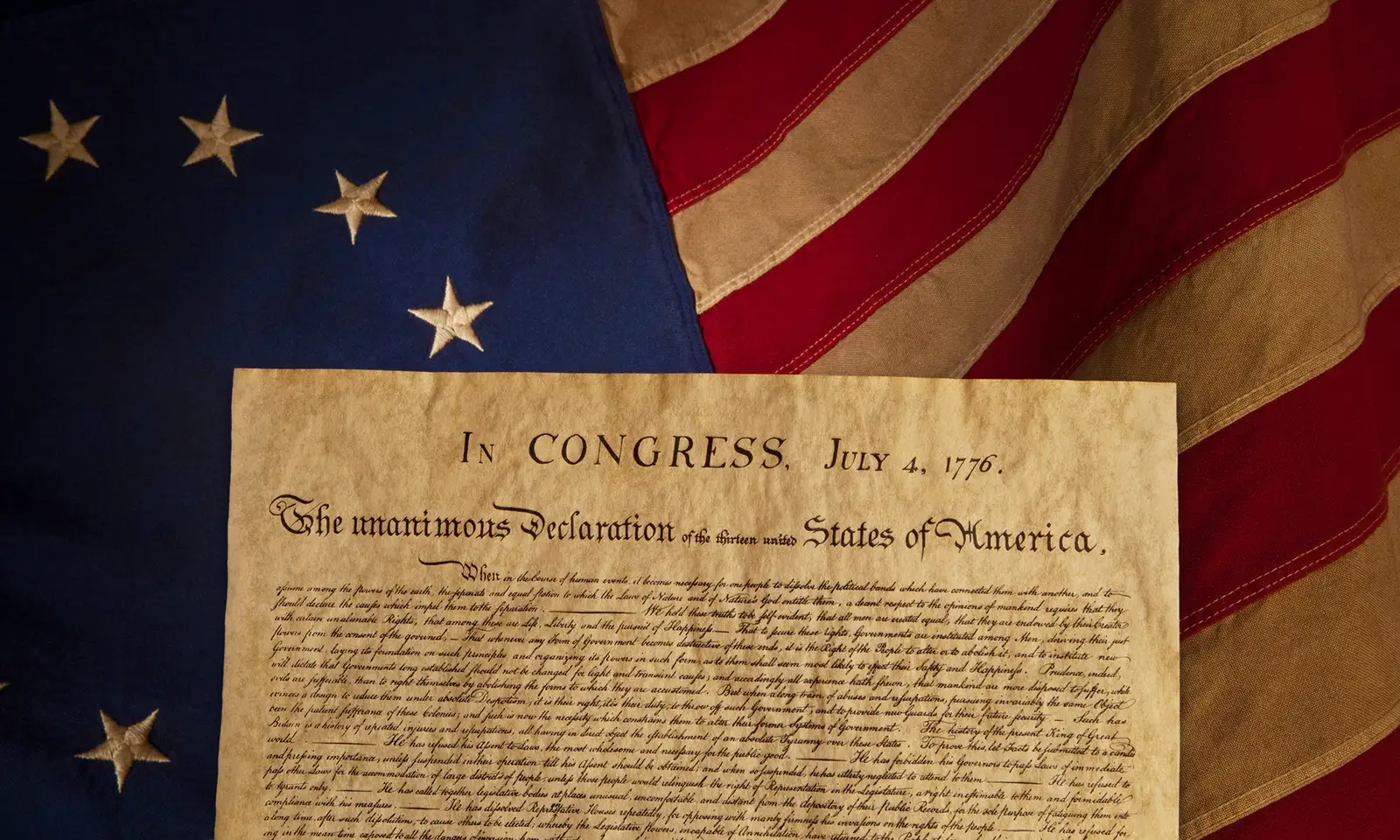
In the latest issue of the magazine, Ave Maria University professor James M. Patterson has a marvelous essay against “neo-integralist” Catholics. They seek “to revive the model of church–state relations that some in the Catholic Church favored for centuries before the Second Vatican Council,” in which “the state directly established Catholicism as the national religion and provided the church with resources to help it operate schools, hospitals, and other public institutions,” as Patterson puts it.
Among the many problems with neo-integralism, Patterson identifies one of the more pernicious ones. Citing the work of political scientist James Ceasar, he notes that American political thought has tended to rest on one of three foundations: nature, History, and religion. Of the three, religion seems the most obvious choice for what neo-integralists would choose as their base. But, as Patterson notes, this is not the case. Instead, their belief, drawing from explicitly reactionary sources, in the inevitable triumph of their worldview is a kind of historical determinism. Patterson explains:





Comments
On “Neo-Integralism Is Not Inevitable”