
One of the most dangerous moments for any society is when a period of rising living standards comes to an end, or, worse, goes into reverse — and, yes, that sounds a lot like now, particularly in that large swathe of the world that has begun to taste prosperity for the first time. Given that, this piece by Roger Boyes in the London Times is well worth a read, as the following extract may suggest:
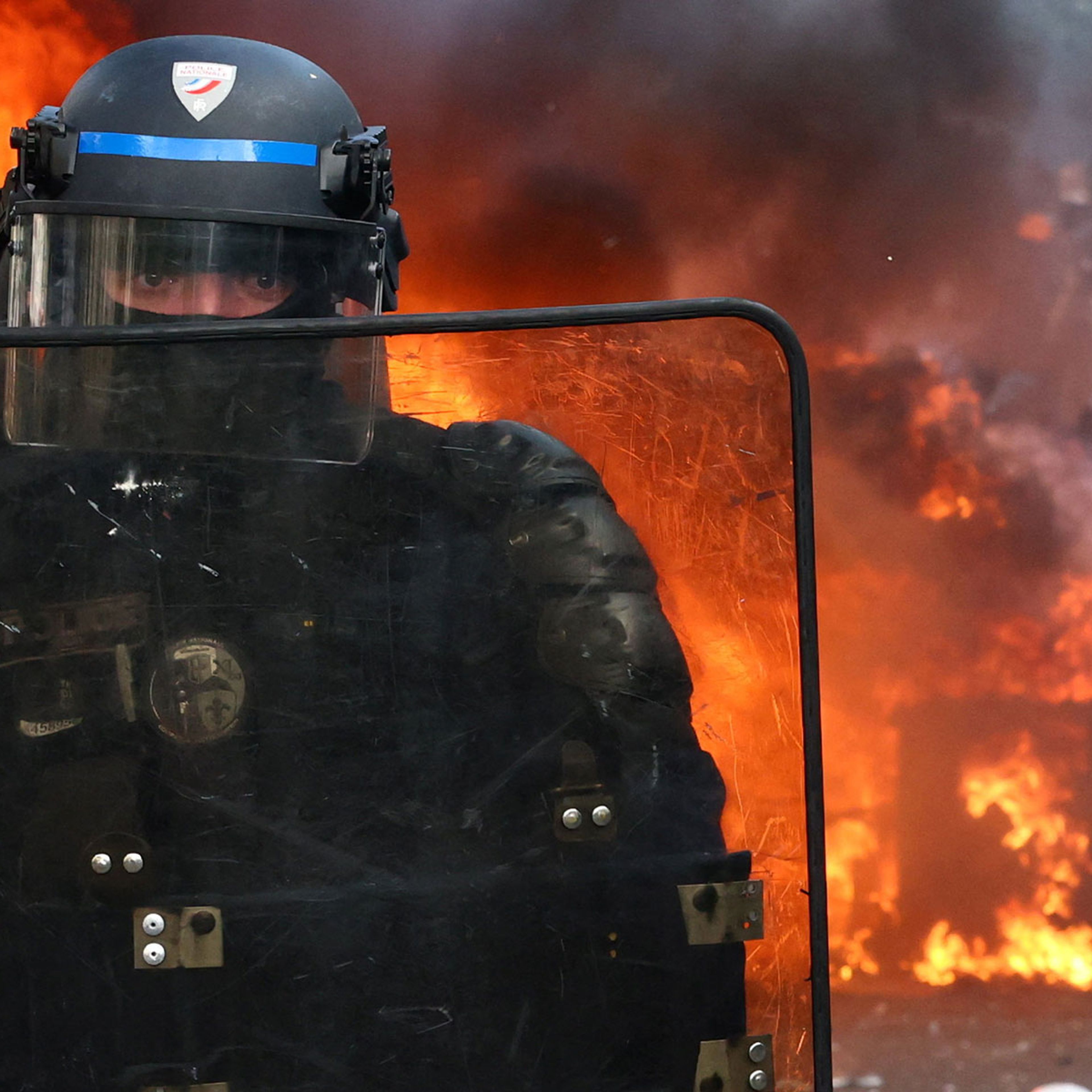
“The financial meltdown has become part of the real economy and is now beginning to shape real politics. More and more citizens on the edge of the global crisis are taking to the streets. Bulgaria has been gripped this month by its worst riots since 1997 when street power helped to topple a Socialist government. Now Socialists are at the helm again and are having to fend off popular protests about government incompetence and corruption…The LSE economist Robert Wade – addressing a protest meeting in Reykjavik’s cinema – recently warned that the world was approaching a new tipping point. Starting from March-May 2009, we can expect large-scale civil unrest, he said. “It will be caused by the rise of general awareness throughout Europe, America and Asia that hundreds of millions of people in rich and poor countries are experiencing rapidly falling consumption standards; that the crisis is getting worse not better; and that it has escaped the control of public authorities, national and international”…Governments have so far managed to deflect attention from their role in the crash, their slipshod monitoring, by declaring themselves to be indispensible to the solution. This may save the skins of politicians in wealthier countries who can credibly and expensively try to prop up banks and sickly industries. But it does not work in countries that are heavily indebted, with bloated and exposed financial sectors. There, the irate crowds are already beginning to demand: why hasn’t a single politician resigned? What has happened to ministerial responsibility? Who will investigate government failure?”
Food for thought.




Comments