
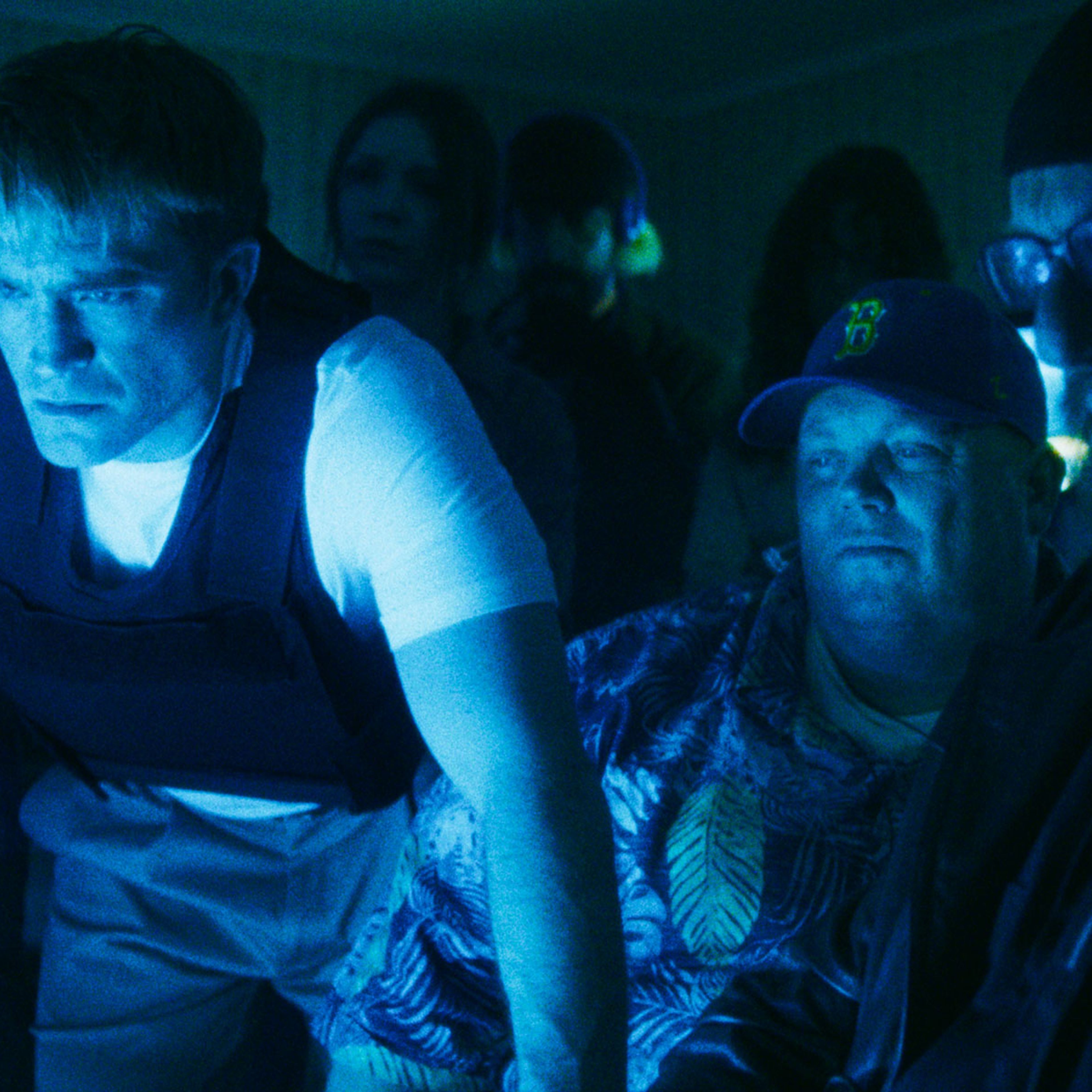
I just saw the new film Inherent Vice for the second time, and have concluded that it’s a lovely movie. The first time I saw it, I enjoyed it thoroughly, but was troubled by the fact that I had difficulty following the plot. If you have trouble following the plot of a movie that is a faithful adaptation of a book you read and enjoyed, that’s a sign that the movie might just have too much plot for its own good; but on a second viewing I found that the plot made enough sense, for a private-eye movie.
Still, that second viewing revealed to me that the chief joy of Inherent Vice is not in figuring out the plot intricacies, but in reveling in a beautifully imagined past — a past inhabited by delightful characters, rivetingly performed (by Joaquin Phoenix, Josh Brolin, Katherine Waterston, and a very deep bench of supporting-cast members). The film is set in 1970, and there’s nostalgia enough in the film’s portrayal of that time; but within the film’s period, the characters are looking back longingly to a vanished time, even as they cope with the damage that their pasts had wrought.
Most of the film’s highlights are broadly comic, and set in 1970. But the film’s very best scene — which occurs, Straussians will delightedly note, at the exact midpoint of its 148-minute running time — is poignant, and a flashback: The stoner, later to be a private detective (Phoenix), and his girlfriend, later to hire his private-eye services (Waterston), go to a non-existent address on Sunset Boulevard in a crazed attempt to score some scarce weed. They find no drugs, but they get caught in the rain together, and share one of those moments of unselfconscious joy that only later becomes an image of everything that was good in a relationship. (And — in this case — of the fact that, even for a pair of hippies in the golden ’69, love is more important than dope.)
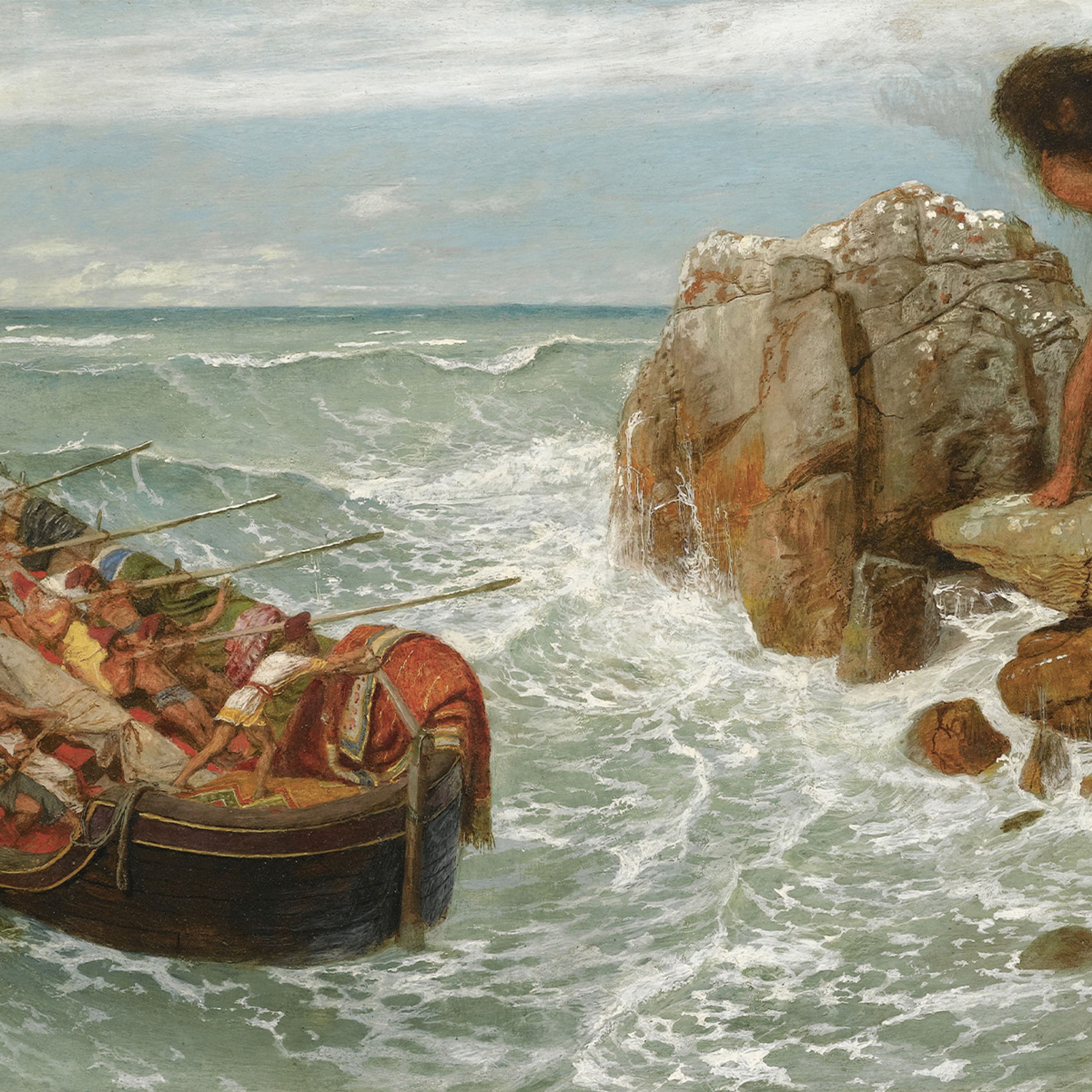
I have always preferred the Odyssey to the Iliad because where the Iliad is about slaughter, the Odyssey is about the desire for home. You can’t “go home again” in the sense of total recovery of the past, but you can try hard to be true to what was best in that past (maybe that’s what conservatism is all about). In this movie, there is perhaps too much that meets the eye; you can thrill to it, or get irritated by it, or both. But what’s beneath the surface is quite moving, and also worth attending to.




Comments