
On the one hand, there is a small moral victory in getting congressional Democrats to acknowledge that the deficit and — currently $40.6 trillion — exist, and that their big-spending wish-list (expanding Medicare, reversing recently enacted cuts, restoring , etc.) would drive our national debt even higher. But that acknowledgment arrives in the form of Democrats talking up their options to raise taxes, now that they control Congress:
Democrats have a deep menu of revenue-raising options. They can start from the cutting-room floor of their previous majority, when House Democrats’ favored tax increases were jettisoned amid opposition from some Democratic senators. In 2021, the House’s plan included bumping the to 26.5 percent from 21 percent, raising the top individual tax rate to 39.6 percent from 37 percent and adding a surtax on incomes above $5 million.
They can also try reversing some tax cuts from last year’s GOP law, such as the higher estate-tax exclusion and expanded incentives for business investment.
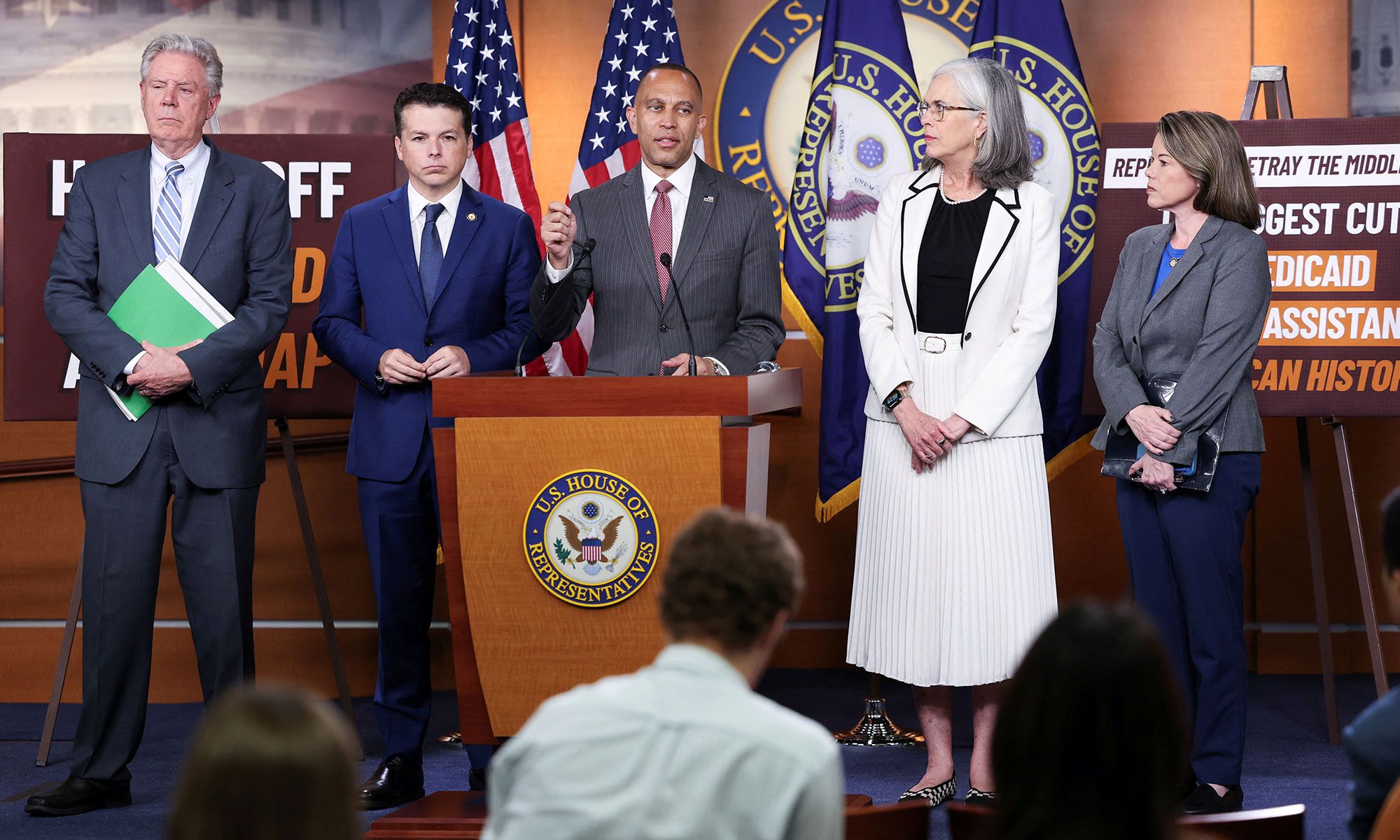
“There is a lot of potential revenue because they cut taxes just so deeply at the top,” said Rep. Brendan Boyle (D., Pa.), who is in line to be chairman of the Budget Committee. “As unpopular as it may be, we do actually have to begin to start taking deficits and debt seriously.”
On the other hand, once again, Democrats have run for election by promising to restore affordability, and then once elected, start focusing on raising taxes. A handful of Democrats, usually running in deep-blue states or districts, talked a bit about “taxing the rich on the campaign trail. Abdul El-Sayed, running in Michigan, said he “supported raising the marginal tax rate on earnings over $1 million and a billionaire tax on wealth over $1 billion.”
The top tax rate for individuals kicks in at $640,601 for an individual, $768,701 for a married couple.






Comments