
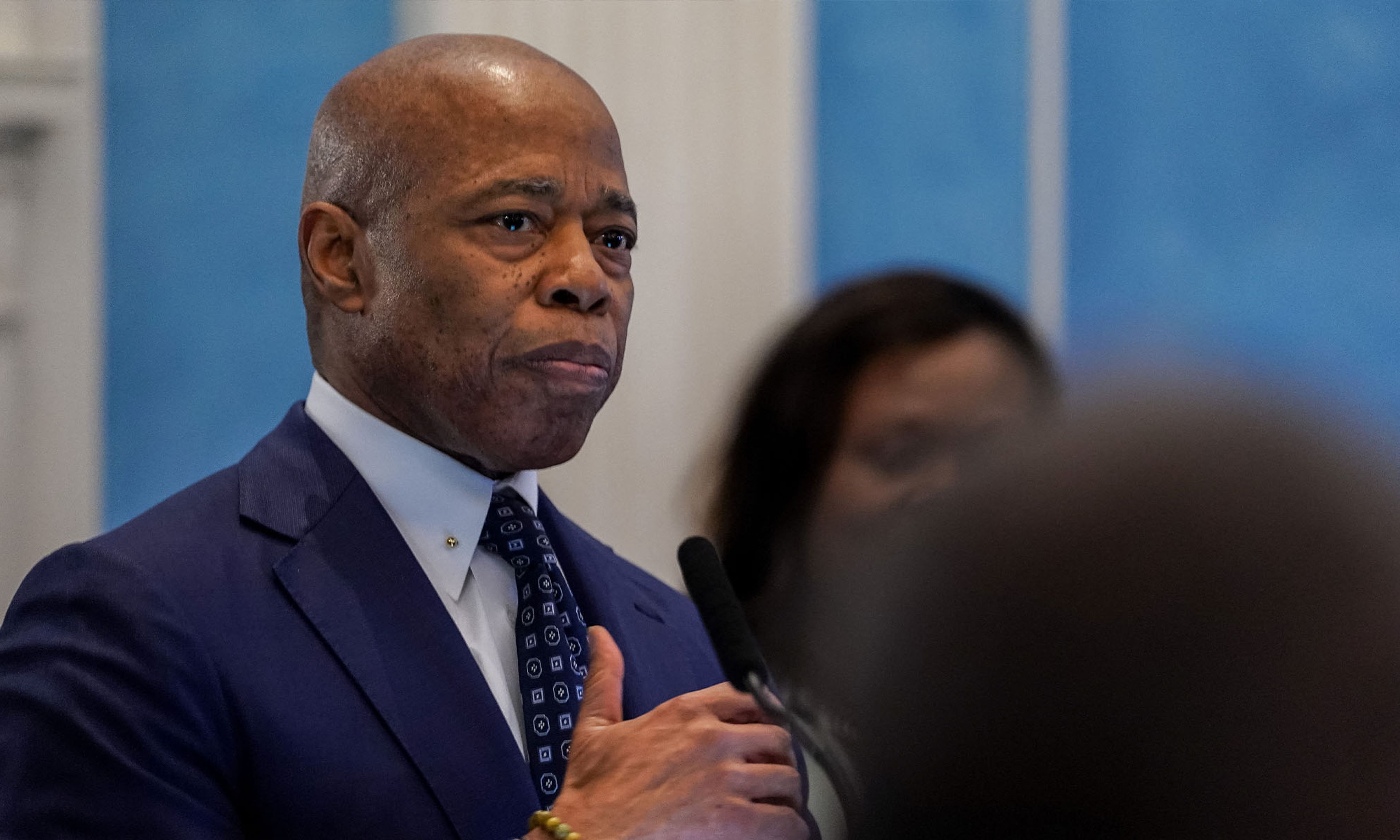
Multiple federal prosecutors have loudly resigned rather than carry out the Trump administration’s demand to conditionally dismiss the federal corruption indictment against New York City Mayor Eric Adams. Three things seem apparent on the public record. One, Trump is leveraging the criminal case to get Adams administration to cooperate with federal immigration law and policy. Two, by seeking to dismiss with the possibility of reinstating the indictment, the criminal process is effectively being used as a sword of Damocles to ensure that Adams remains pliable. (If this is in fact what is happening, the members of the First Congress would have been unanimous in regarding it as an impeachable offense.) Three, it appears that at least the two most prominent resignations in the Southern District of New York (Danielle Sassoon, the acting U.S. attorney, and Hagan Scotten, the assistant U.S. attorney responsible for the prosecution) came from lawyers with conservative backgrounds — Federalist Society members who have clerked for conservative judges.
Resignation is the proper course. If you’re a civil servant asked to do something within the law that you disagree with, you have three options: do it, dig your heels in to stop it, or resign in protest. The second option is the worst: if taken beyond the point of trying to slow down a quick decision to ensure that objections are thought through, it amounts to a coup. Your job is to follow orders. So, if those orders are legal and something your conscience can live with, you do it because people do things all the time just because the boss said so. That happens in every workplace. If they push you beyond something you can do in good conscience, however, the proper thing to do is step aside or resign. The president can then find somebody else to do the job.





Comments