
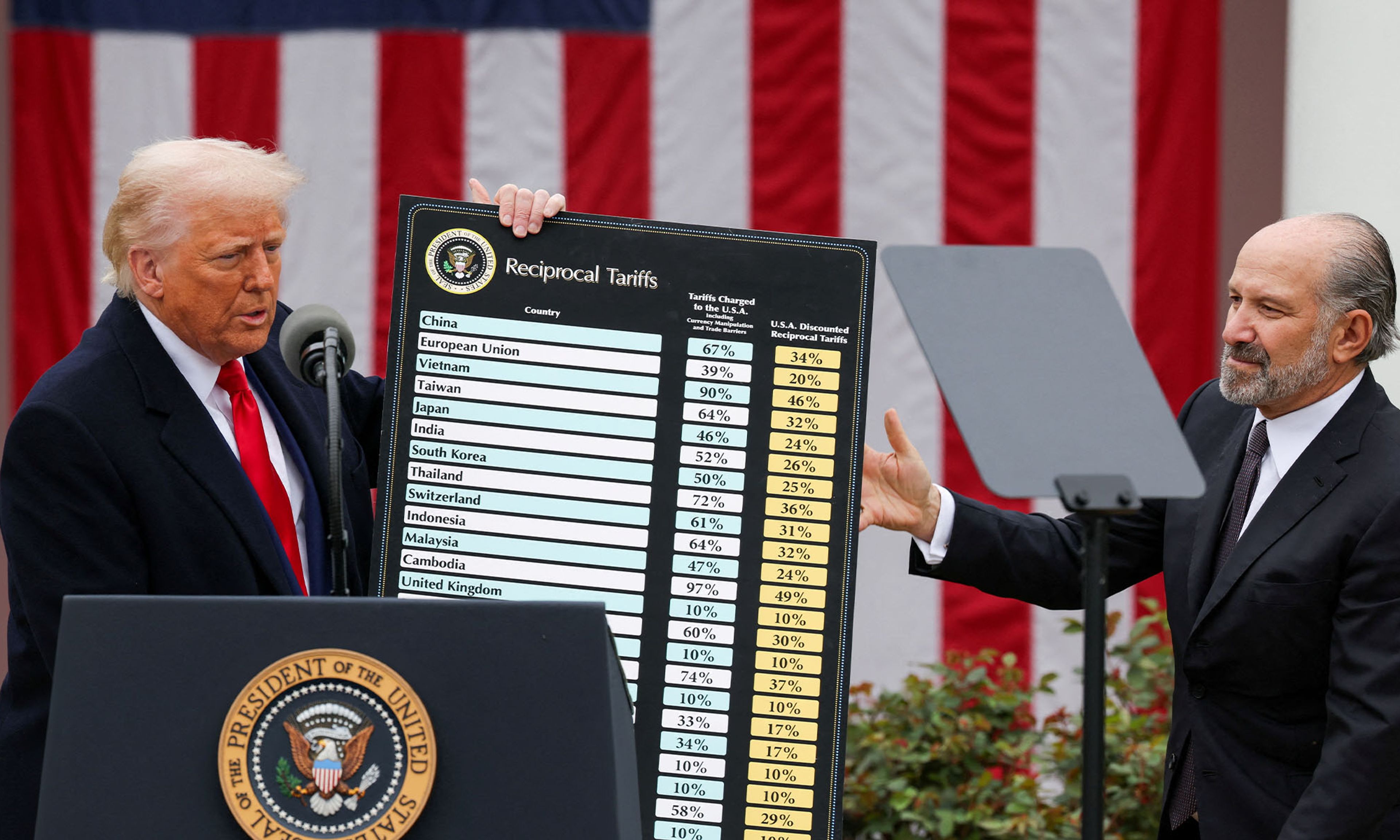
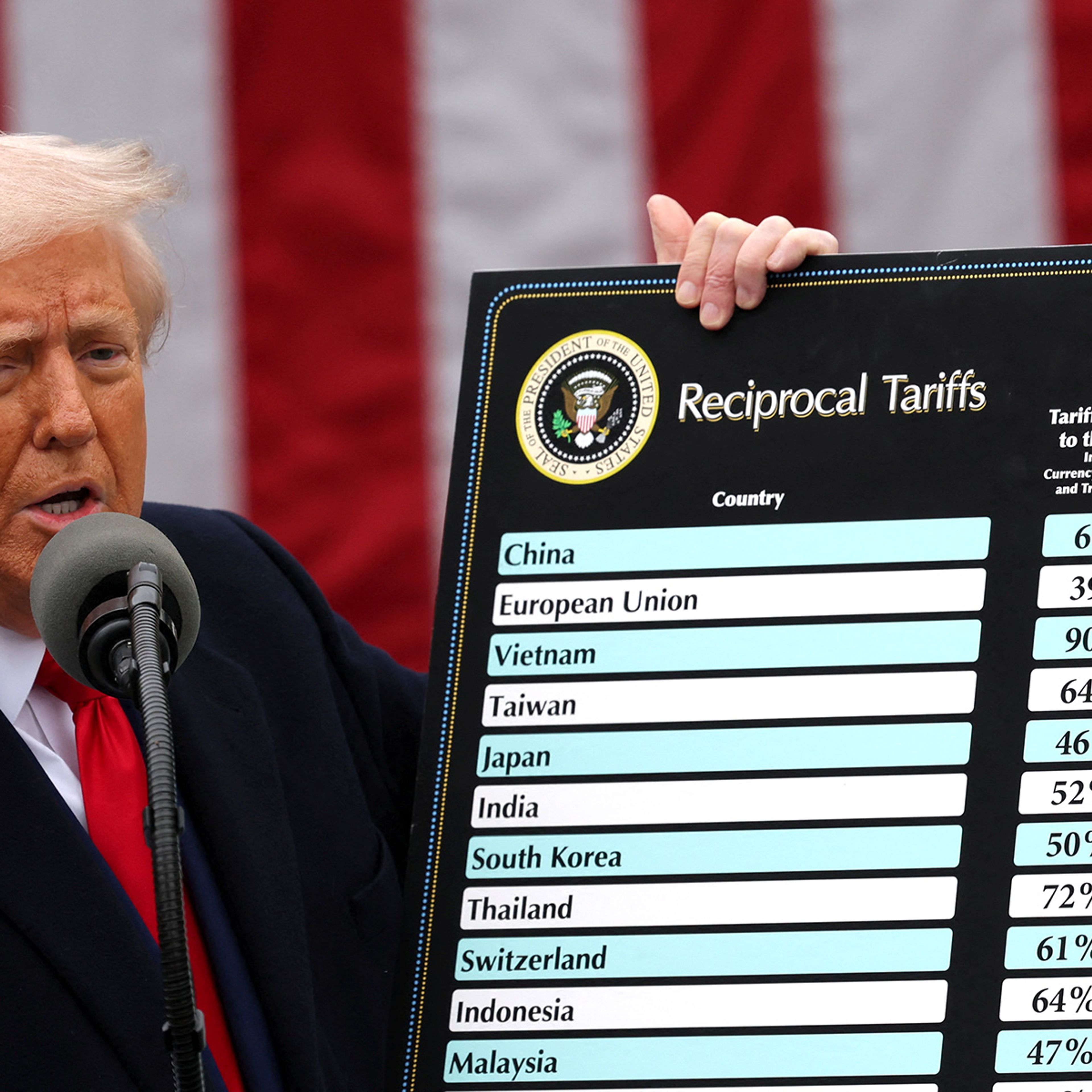
President Trump announced his “liberation day” tariff plans on April 2, one month ago today. Obviously, one month isn’t enough time to fully judge a policy, and he later paused significant parts of the tariff plan until early July. But on the margin, have things gotten better or worse since “liberation day”?
Advancing American Freedom, the conservative advocacy group founded by Mike Pence, looked at a variety of measurements, and it’s tough to see any signs of improvement:
- The stock market has mostly recovered its losses since April 2, but the Dow and the S&P 500 are both still below the levels they were at on January 17, the last trading day before Trump’s inauguration.
- The Russell Small Cap index is down by more than the Dow or the S&P 500, indicating that smaller publicly traded companies have been hurt more than larger ones.
- The dollar index is down by 9 percent between January 17 and April 30.
- Trump’s economic approval ratings when he began his term were positive, 51–39. Now, a month after the initial shock of the tariffs, he is deep underwater on the economy, 43–55.
- GDP shrank by 0.3 percent in the first quarter. The data in that report are all before “liberation day,” so the full negative effects are yet to be seen. The decline that is already apparent is in part due to businesses’ being forward-looking and holding back on activity because of uncertainty.
- The unemployment rate stayed the same in April as it was in March, at 4.2 percent.
- Private-sector job growth was slower than expected in April, with only 62,000 jobs added. In the last quarter of 2024, there were 795,000 new private-sector jobs. In the first quarter of 2025, there were 479,000.
- Despite all the attention on DOGE and cutting federal grants and headcount, federal spending in the first quarter of 2025 was 5.5 percent higher than federal spending in the same quarter last year.
- Real weekly earnings for full-time workers grew by 1.1 percent in the fourth quarter of last year. It declined by 0.5 percent in the first quarter of this year.
- The University of Michigan consumer sentiment index has declined by 17 points between December 2024 and March 2025. Consumer confidence expectations, the forward-looking measure, is even worse, falling by 29.5 points since January.
AAF notes that businesses have announced investments in the U.S., but most of these were already planned. Businesses realized they could buy some favor with the administration by making big announcements about their already existing investment plans and responded accordingly.
Meanwhile, UPS and automaker Stellantis have already announced layoffs. These are two of the major employers with blue-collar, male-dominated labor forces that are supposed to be helped by tariffs. Other automakers are warning of further layoffs.
As for geopolitics, American allies in Europe and Asia have been talking about coordinating their response to U.S. tariffs. And China has been continuing its trend since the first Trump administration of replacing its U.S. agricultural imports with ones from Brazil and other countries.
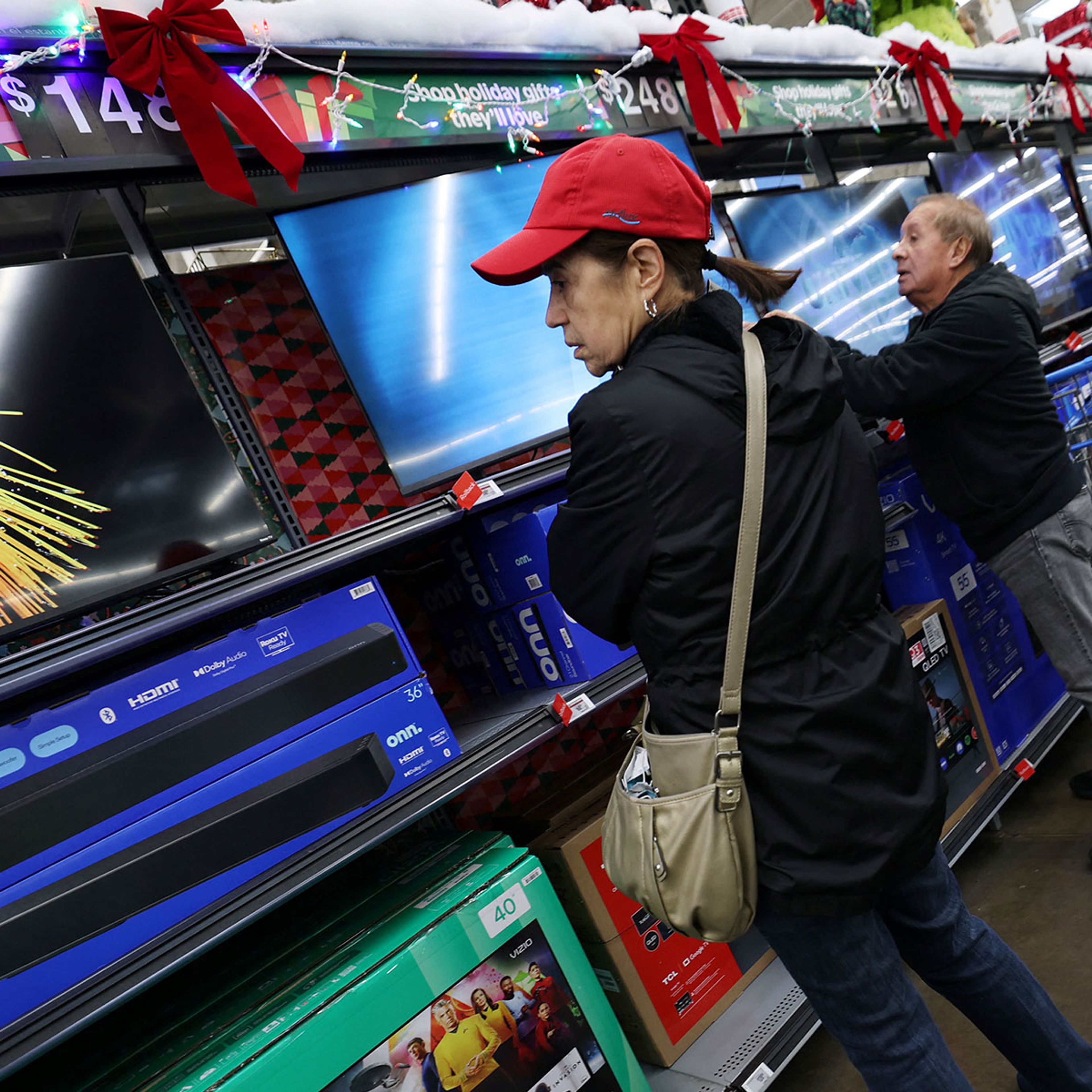
Americans haven’t even begun to feel the full burden of tariffs yet because of the pace of trade and the administration’s delay of its policy. None of these measures are death knells, but they aren’t signs of improvement, let alone “liberation.”


Comments