
Lawyers for Lewis Libby have just filed a motion to dismiss the perjury, obstruction, and false statement charges against him in the CIA leak case. That is standard procedure, and to be expected, but what is interesting about the motion is that it is based on a question that has been discussed privately among observers in Washington but has not really been fully explored in public. That question is whether the Bush administration gave CIA leak prosecutor Patrick Fitzgerald too much authority. In essence, Fitzgerald has as much power as prosecutors under the old independent counsel statute, but without the supervision of the attorney general or a three-judge panel, and without the requirement that he report his findings to the public.
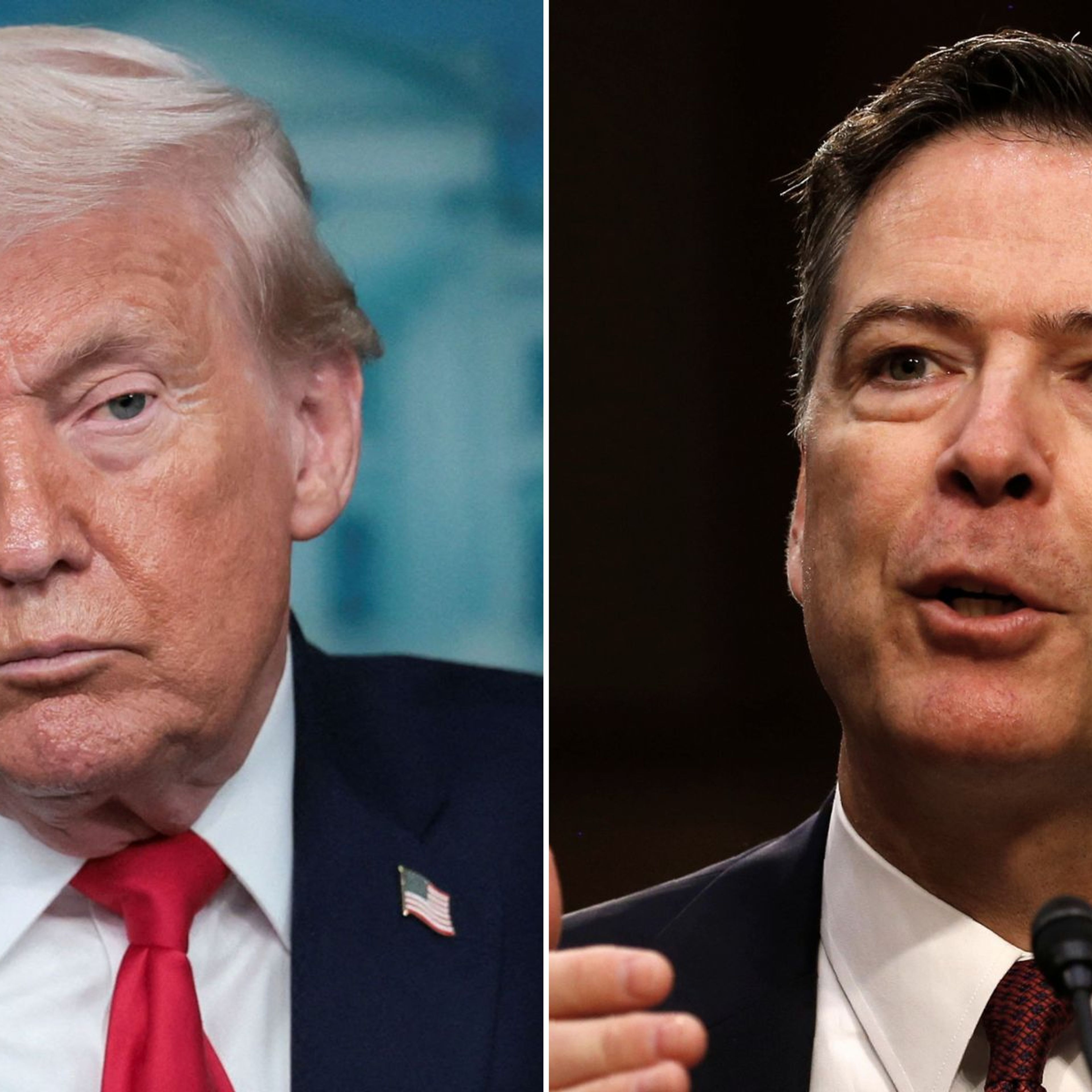
Fitzgerald’s authority comes from a December 30, 2003 letter from Deputy Attorney General James Comey in which Comey — after the recusal of then-Attorney General John Ashcroft — “delegated to Mr. Fitzgerald all the authority of the Attorney General with respect to the Department’s investigation into the alleged unauthorized disclosure of a Central Intelligence Agency employee’s identity.” In that letter, Comey told Fitzgerald, “I direct you to exercise that authority as Special Counsel independent of the supervision or control of any officer of the Department.”
Libby’s motion to dismiss argues that that is a unique, and constitutionally unsupportable, grant of power:
Acting without any direction or supervision, Mr. Fitzgerald alone decides where the interests of the United States lie in an investigation that involves national security, the First Amendment, and important political questions. He alone decides which individuals to subject to investigation, what evidence will be obtained or not obtained, and whether or not continued investigation and prosecution are warranted. He is subject to no oversight and has no obligation to comply with Department of Justice policies and regulations that constrain the exercise of law enforcement powers in all other federal cases. Furthermore, he has unilateral authority to expand his jurisdiction and the power to say when, if ever, his office should be terminated. It was limitations on those powers that led the Supreme Court to uphold the independent counsel provisions of the Ethics in Government Act. It is the absence of such controls that violates the Appointments Clause in this case.
After the independent counsel law expired, the Clinton Justice Department came up with a set of rules governing the appointment and practices of special prosecutors for future investigations. Those rules included supervision and control of the prosecutor. But the Bush administration, for reasons that have never been made public, decided not to follow those rules and instead gave Fitzgerald unlimited powers — a decision that some in the administration no doubt regret and one which raises real constitutional questions. Now we’ll see what the judge in the CIA leak case thinks about it.
UPDATED: Here’s a pdf of the filing.





Comments