
Mark, I’m sorry that your Argentine sales are going to take a hit, but you will not be alone in feeling the pain.
As is reported in the new issue of the Economist, Argentina’s central bank is also being squeezed (again):
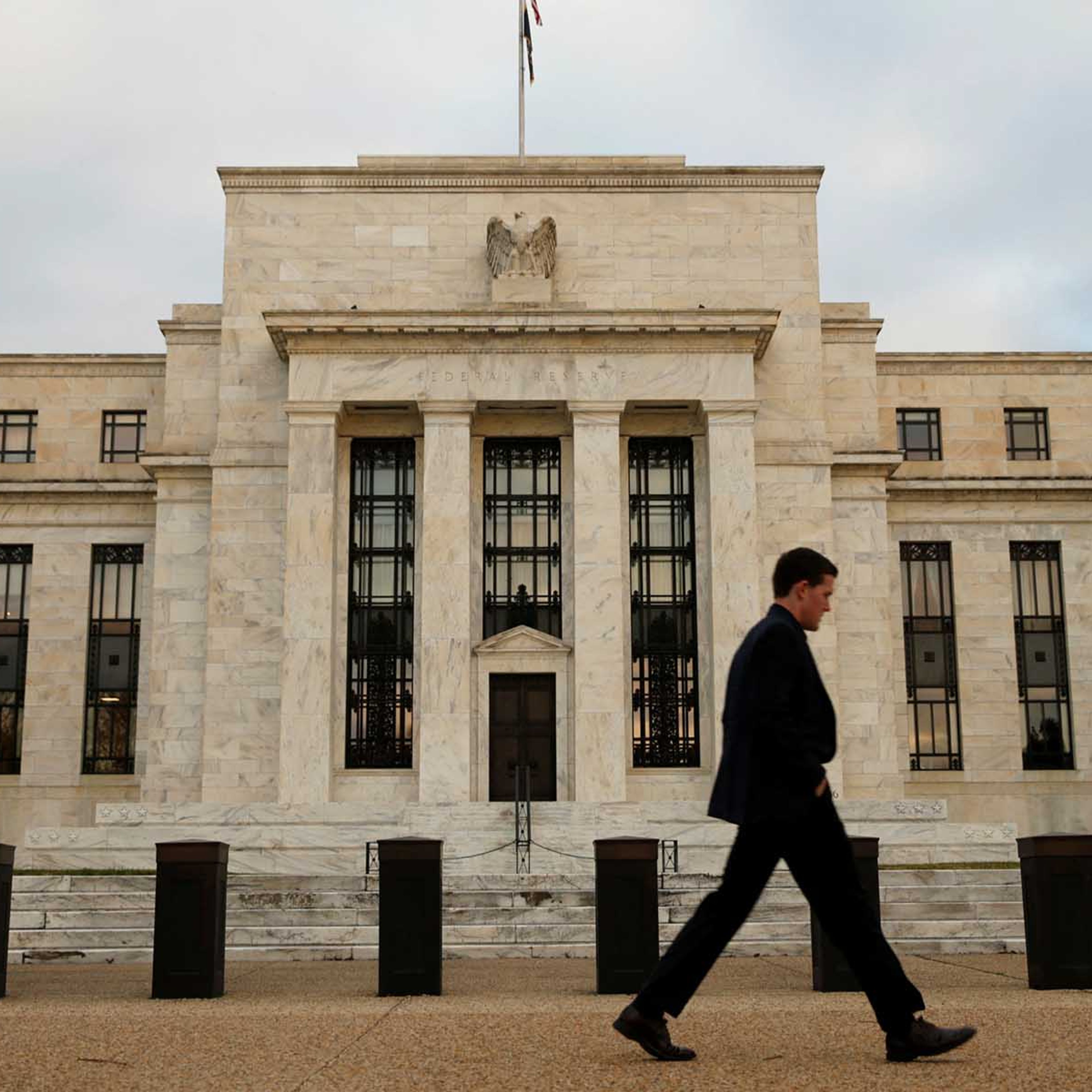
FOR the past 20 years a plaque has adorned the lobby of Argentina’s Central Bank, proclaiming its “primary and fundamental mission to preserve the value of the currency”. This week the plaque was removed after the country’s Congress approved a government bill that gives the bank a new, wordier mandate: “to promote, to the extent of its ability and in the framework of policies established by the national government, monetary stability, financial stability, jobs and economic growth with social fairness”.
Put more simply, the bank has lost the last shred of its legal independence and become the piggy bank of President Cristina Fernández’s government. It can now be required to transfer to the treasury cash equal to 20% of government revenues plus 12% of the money supply; to use its reserves (of $47 billion) at will to pay government debts; and to play a more active role in regulating banks and in steering credit to favoured industries.
After forcing out the bank’s governor, Martín Redrado, in 2010, Ms Fernández has used more than $16 billion of reserves to pay debt, and earmarked $5.7 billion for 2012. But there was a hiccup: under the old law, which dated from the currency board in effect in the 1990s, the government could only spend reserves above the amount needed to back up the stock of pesos in circulation, and it had already exhausted that amount. Rather than “brutal belt-tightening,” as Mercedes Marcó del Pont, Mr Redrado’s replacement, put it, the government changed the law.
And so is the Spanish oil company, Repsol:
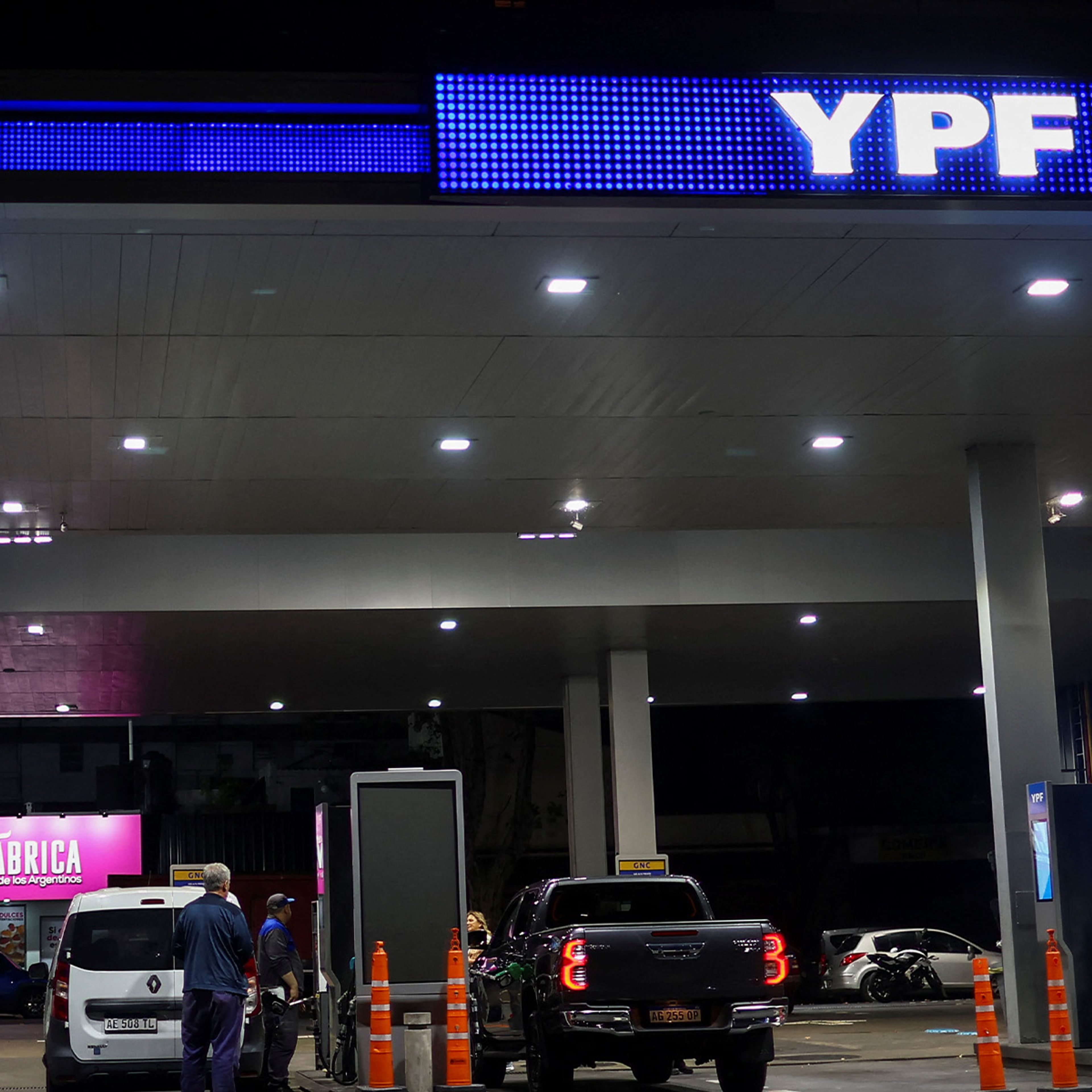
Another sign of the government’s growing desperation is its bullying of YPF, a unit of Spain’s Repsol. As the former state oil monopoly, YPF tugs at nationalist heartstrings. Government-inspired posters recently went up in Buenos Aires showing YPF’s logo, a map of the Falkland Islands and the statement: “They’re Argentine.”
Ms Fernández blames YPF for a fall in output of oil (down 32% since its peak in 1998) and gas (down 10% since 2004). Oilmen blame the government: producers receive just $42 per barrel for exports and around $70 in the domestic market, whereas the world-market price is over $120.
Repsol has offered to pay YPF’s 2011 dividend in stock, and not to repatriate profits. But the government wants the dividend paid into a special investment fund. It is not clear whether the president’s aim is renationalisation: she would find it hard to raise the funds, although her threats have depressed YPF’s share price by 14% this year. Six provinces have stripped YPF of oil concessions, but mostly minor ones.
What makes all this perverse is that Argentina sits on possibly the world’s third-biggest reserves of shale hydrocarbons. YPF estimates that developing them will cost $25 billion a year for a decade. Not even the Central Bank can provide Ms Fernández with funds like that. But short-term political need, rather than long-term prosperity, is dictating Argentine policy.
And it’s not going to end well.




Comments