
Today on the homepage, we publish the second and final part of my sit-down with Enrique Krauze, here. Krauze, you recall, is the Mexican historian, writer, documentary-maker, and general intellectual. His parents were Jewish immigrants from Poland.
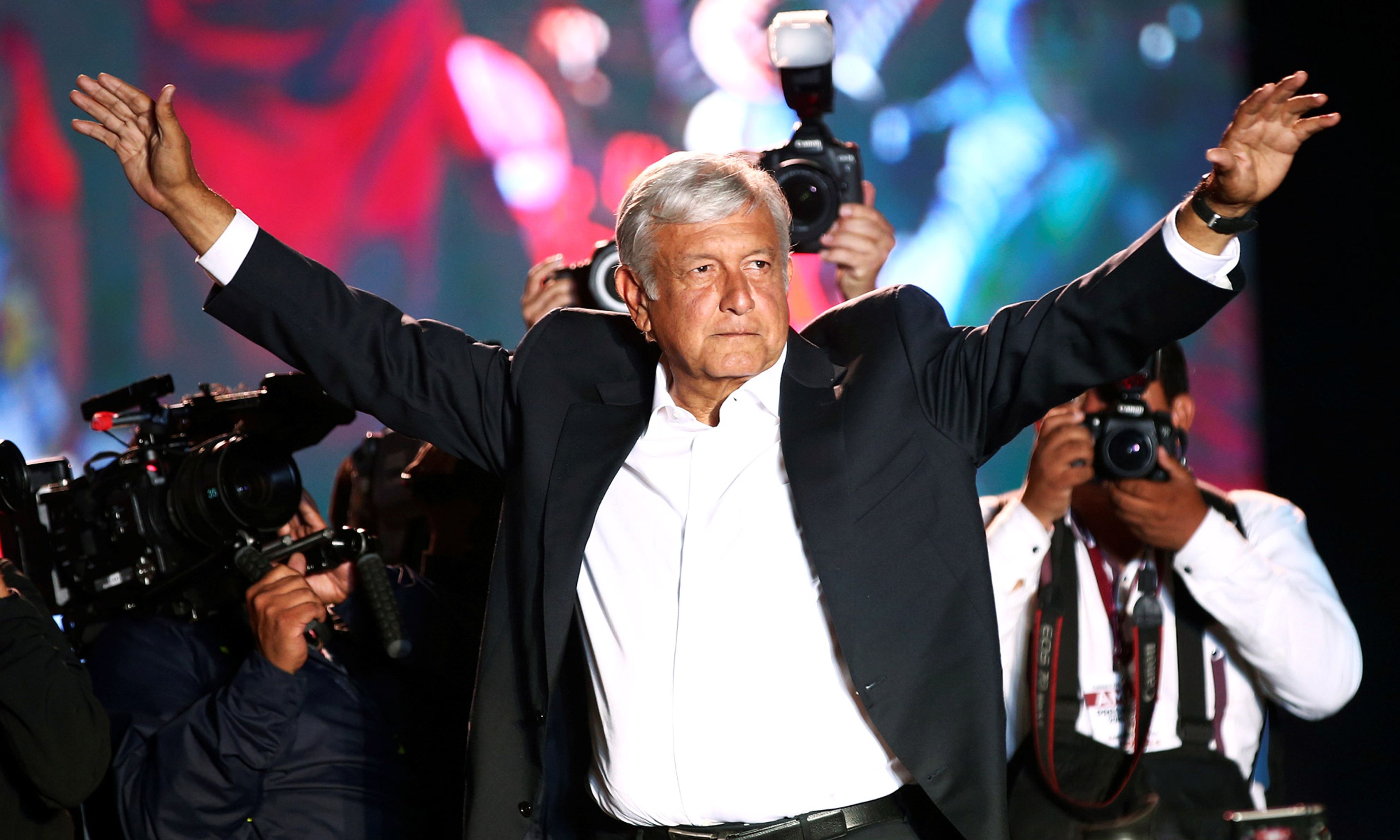
He talks of Andrés Manuel López Obrador, a.k.a. AMLO, the new president of Mexico. (New as of December 2018.) Like many others, Krauze sees parallels between AMLO and the late Venezuelan leader Hugo Chávez.
Like all populists — including Chávez, of course — AMLO can talk. And talk and talk. He is also a master of insult. The Mexican intellectual Gabriel Zaid has dubbed López Obrador “el poeta del insulto,” the poet of the insult. Krauze says this is exactly right. “He has a truly poetic gift for insulting. He has coined scores, if not hundreds, of insults, in order to attack, diminish, delegitimize, and harm people who don’t agree with him.”
If you disagree with the president, you are an enemy of the people, an elitist, not a true Mexican.
In my piece today, I quote a report from the Wall Street Journal, about another populist, Jair Bolsonaro, who became president of Brazil in January 2019:
“President, do you have a receipt?” a reporter asked on a recent morning. He wanted to know if Mr. Bolsonaro could prove that a financial transaction involving his family was legal.
“Why don’t you ask your mother about the receipt she gave your father?” Mr. Bolsonaro shot back. His fans, clustered nearby, cheered on their leader.
Moments later, the president shouted back at a reporter after another inconvenient question: “You have such a homosexual face.”
That’s the style.
One thing all these guys say is, “Trust no one but me. Only I will deliver you the truth. Everyone else is corrupt and lying, especially the elite press,” or “la prensa fifí,” as López Obrador has dubbed it: “the fancy press.” Fifí is one of the most effective of his insults.
I would like to quote from Enrique Krauze’s book Redeemers: Ideas and Power in Latin America (2011). One chapter is on Gabriel García Márquez, the great Colombian novelist (1927–2014), who was a dear friend and ardent supporter of Fidel Castro.
“Gabo” went to Cuba in 1975 and saw only what he wanted to see, as Krauze writes. He saw a beautiful, fair, just society. He was awed by the leader’s bond with the people.
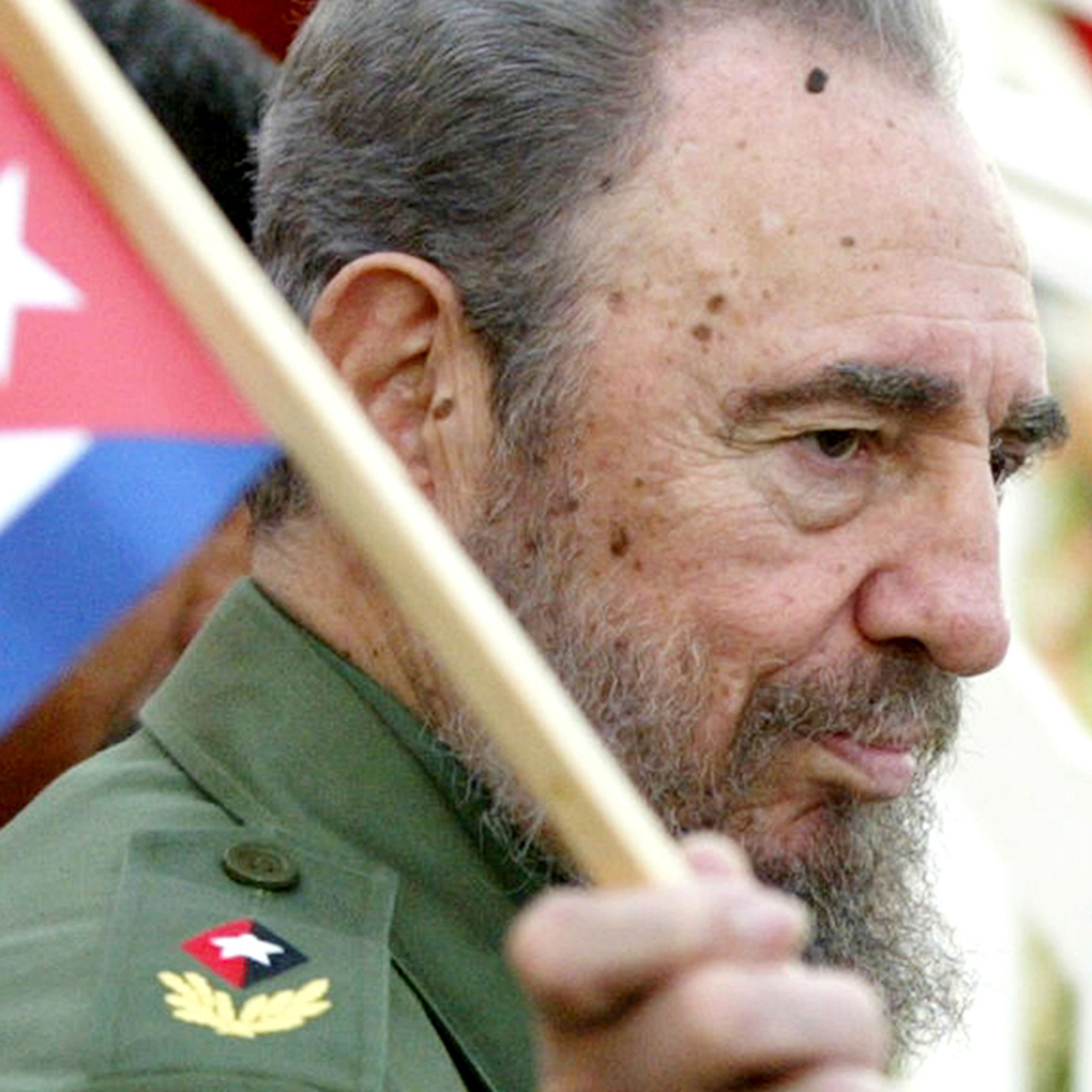
Castro had established an “almost telepathic system of communication” with them, García Márquez wrote. “His gaze revealed the hidden softness of his child-like heart,” etc., etc.
García Márquez said that Castro’s “genius as a reporter” was his “fundamental and most underappreciated skill.” Castro was always addressing the people, hour after hour. And “thanks to those spoken reports, the Cuban people are some of the best informed in the world about their own reality.”
Krauze adds a wonderful tidbit: “Years later, in an interview with the New York Times, [García Márquez] was asked by Alan Riding why he did not move to Havana, since he traveled there so often. ‘It would be too difficult to arrive now and adapt to the conditions. I’d miss too many things, I couldn’t live with the lack of information.’”
Uh-huh.
Again, for Part II of my Krauze piece, go here.




Comments