
There is apparently some concern that quite a few Republicans who voted early in NY-23 cast their ballots for Scozzafava when today they would prefer Hoffman. A year ago, NRODT editorialized against early voting:
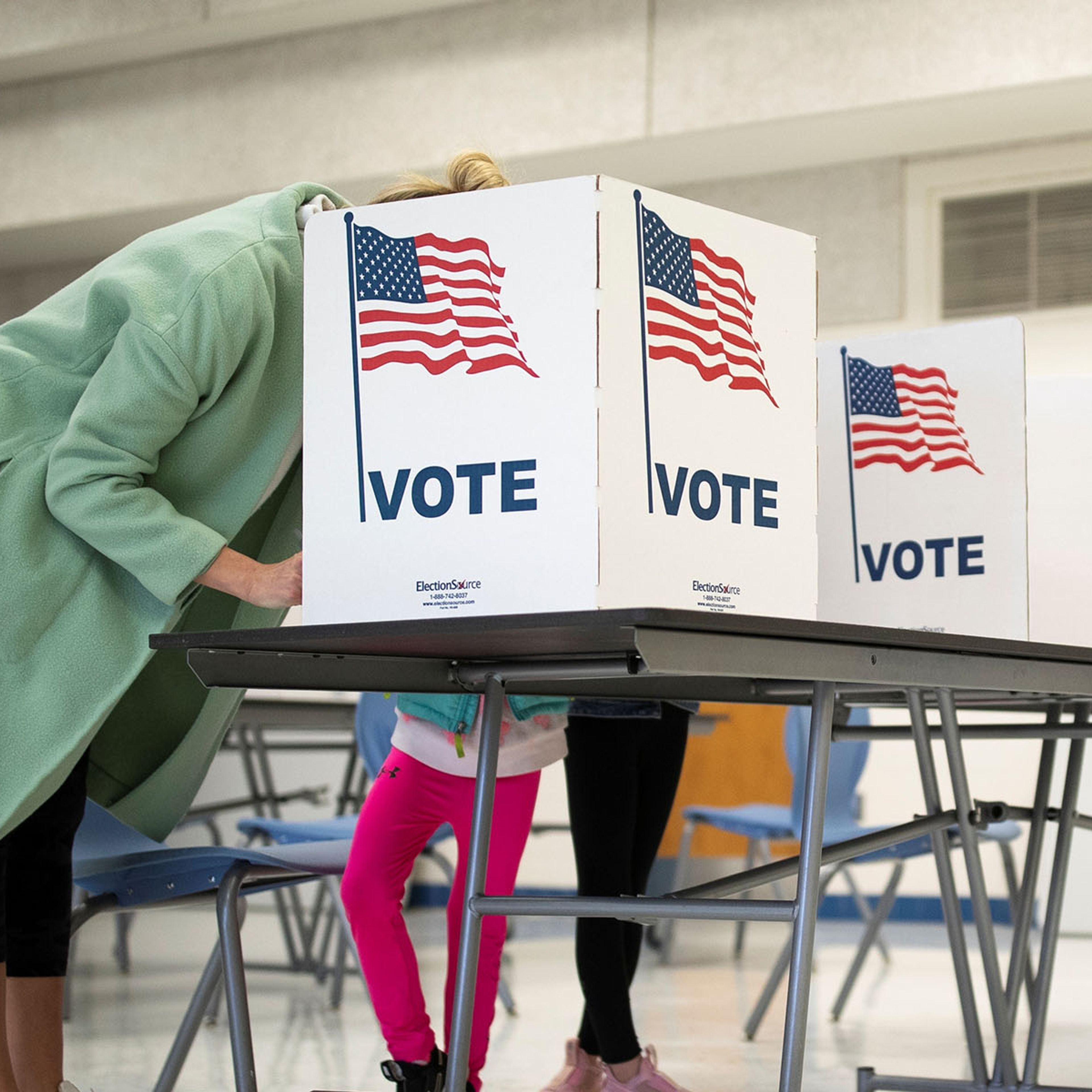
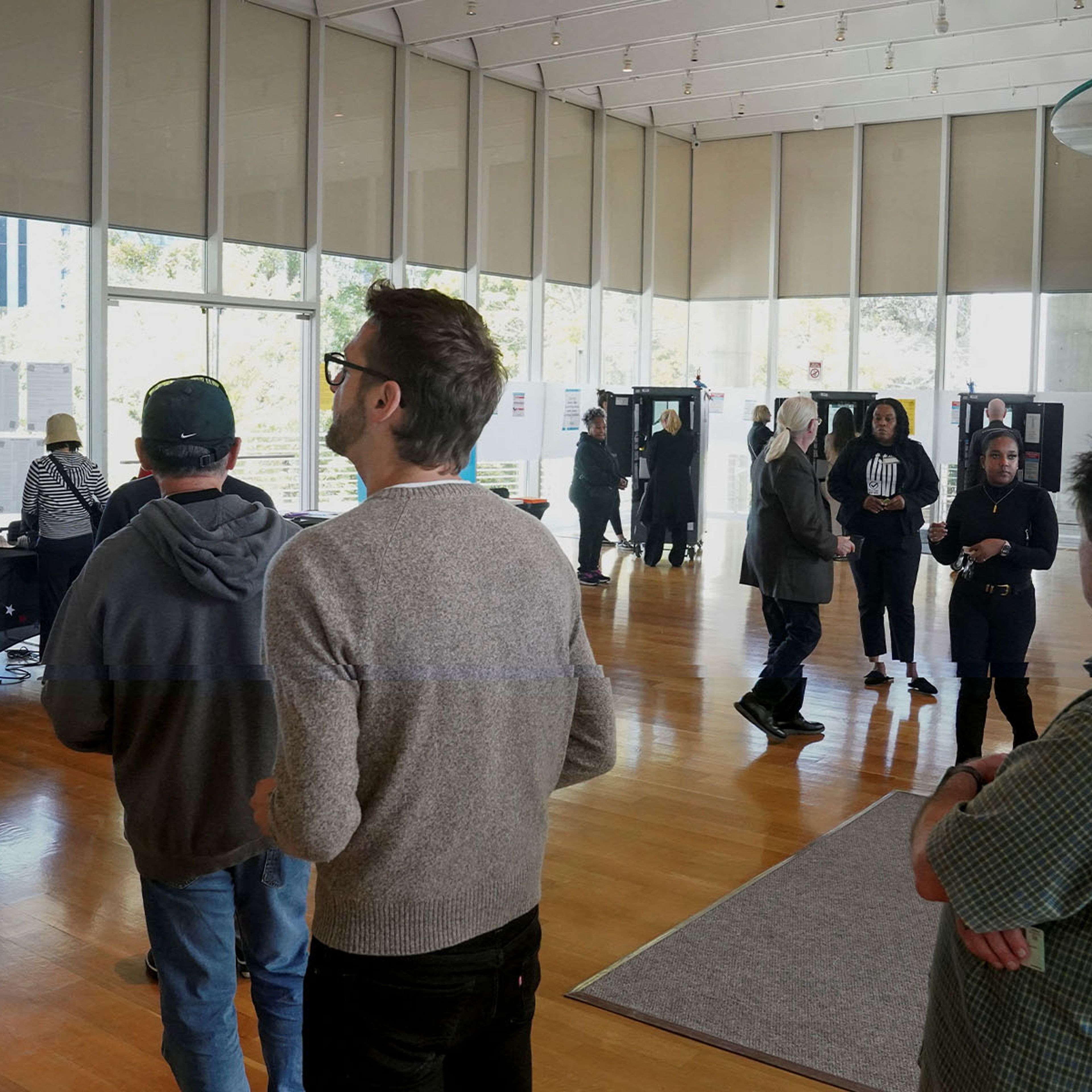
A week before Election Day, more than a million people in Georgia alone already had cast their ballots. Over half the states currently permit some version of this activity, commonly called “early voting” but perhaps better described as “premature voting.” It is expected to smash records this year. That’s a shame, because voting is a civic act. It does not need to be difficult, but it certainly should be serious, and, insofar as time-zone variations permit, simultaneous. Special allowances must be made for members of the military, particularly those who are deployed, as well as for others who truly can’t participate in this ritual of democracy for reasons of work or health. Yet these cases ought to represent the rare exceptions rather than a growing bloc of convenience-seekers. Those who vote too soon cheapen the deed. They miss a chance to assess late developments, such as the financial crisis or debate performances. They may even forfeit their votes entirely: During the presidential primaries, many early voters backed candidates who dropped out before Election Day. Presidential campaigns have become the political equivalent of marathons, and a lot of voters understandably want to be done with them. Local races, however, are often sprints that last just a few weeks in October. They suffer from inattention as it is, and remature voting compounds the problem. These are important choices for individuals, and decisive ones for society. When they lose their aura, so does citizenship itself.



Comments