
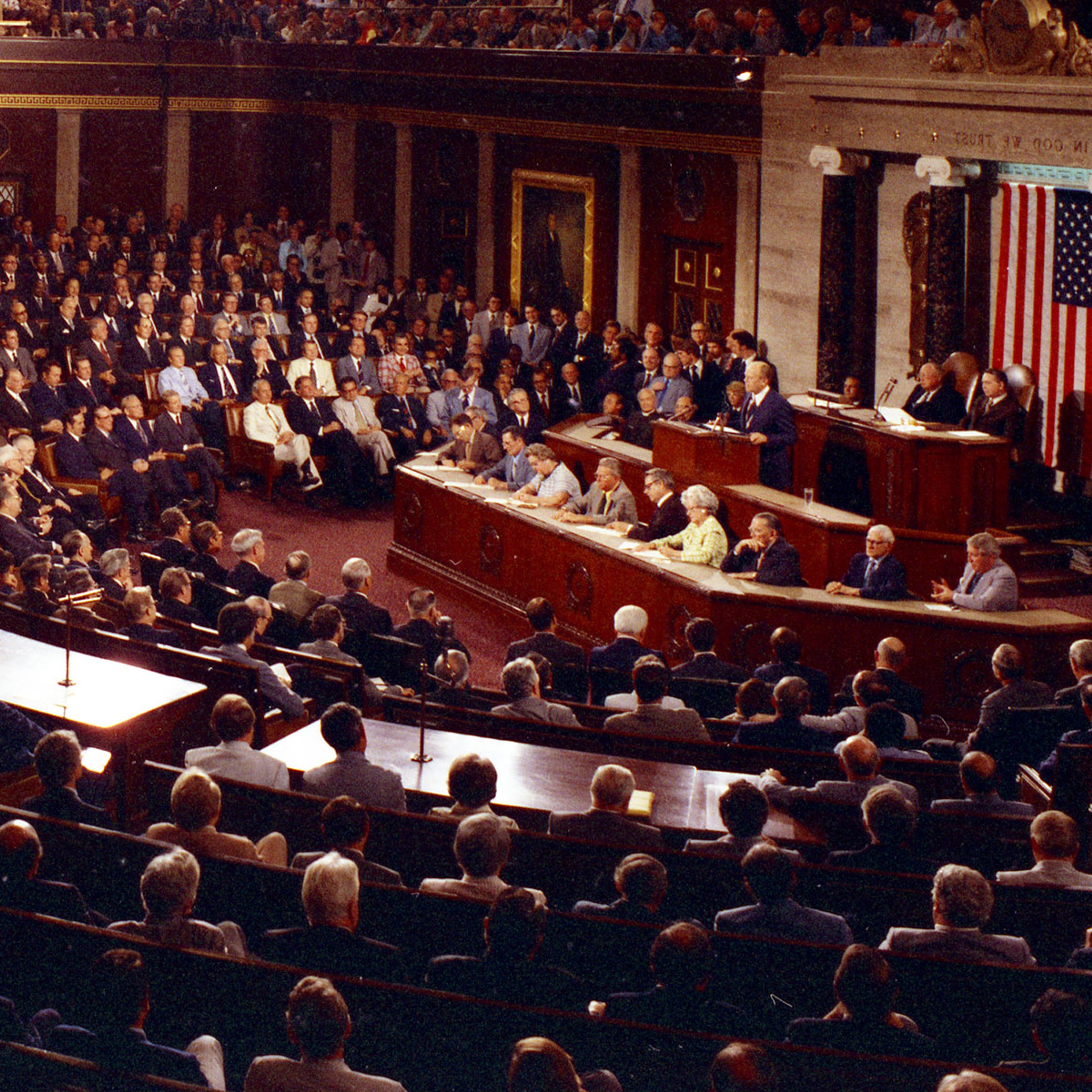
After an August recess marked by raucous town halls, troubling polling data and widespread anecdotal evidence of a volatile electorate, the small universe of political analysts who closely follow House races is predicting moderate to heavy Democratic losses in 2010.
Some of the most prominent and respected handicappers can now envision an election in which Democrats suffer double-digit losses in the House — not enough to provide the 40 seats necessary to return the GOP to power but enough to put them within striking distance.
Top political analyst Charlie Cook, in a special August 20 update to subscribers, wrote that “the situation this summer has slipped completely out of control for President Obama and congressional Democrats.”
“Many veteran congressional election watchers, including Democratic ones, report an eerie sense of déjà vu, with a consensus forming that the chances of Democratic losses going higher than 20 seats is just as good as the chances of Democratic losses going lower than 20 seats,” he wrote.
At the mid-August Netroots Nation convention, Nate Silver, a Democratic analyst whose uncannily accurate, stat-driven predictions have made his website 538.com a must read among political junkies, predicted that Republicans will win between 20 and 50 seats next year. He further alarmed an audience of progressive activists by arguing that the GOP has between a 25 and 33 percent chance of winning back control of the House.
“A lot of Democratic freshmen and sophomores will be running in a much tougher environment than in 2006 and 2008 and some will adapt to it, but a lot of others will inevitably freak out and end up losing,” Silver told POLITICO. “Complacency is another factor: We have volunteers who worked really hard in 2006 and in 2008 for Obama but it’s less compelling [for them] to preserve the majority.”
Historic trends point to Republican House gains in the midterm election, particularly after facing two brutal election cycles where the party lost seats in every region and even in some of the most conservative states in the nation. Over the last five decades, the party out of power has picked up seats in 10 of the 12 midterm elections.
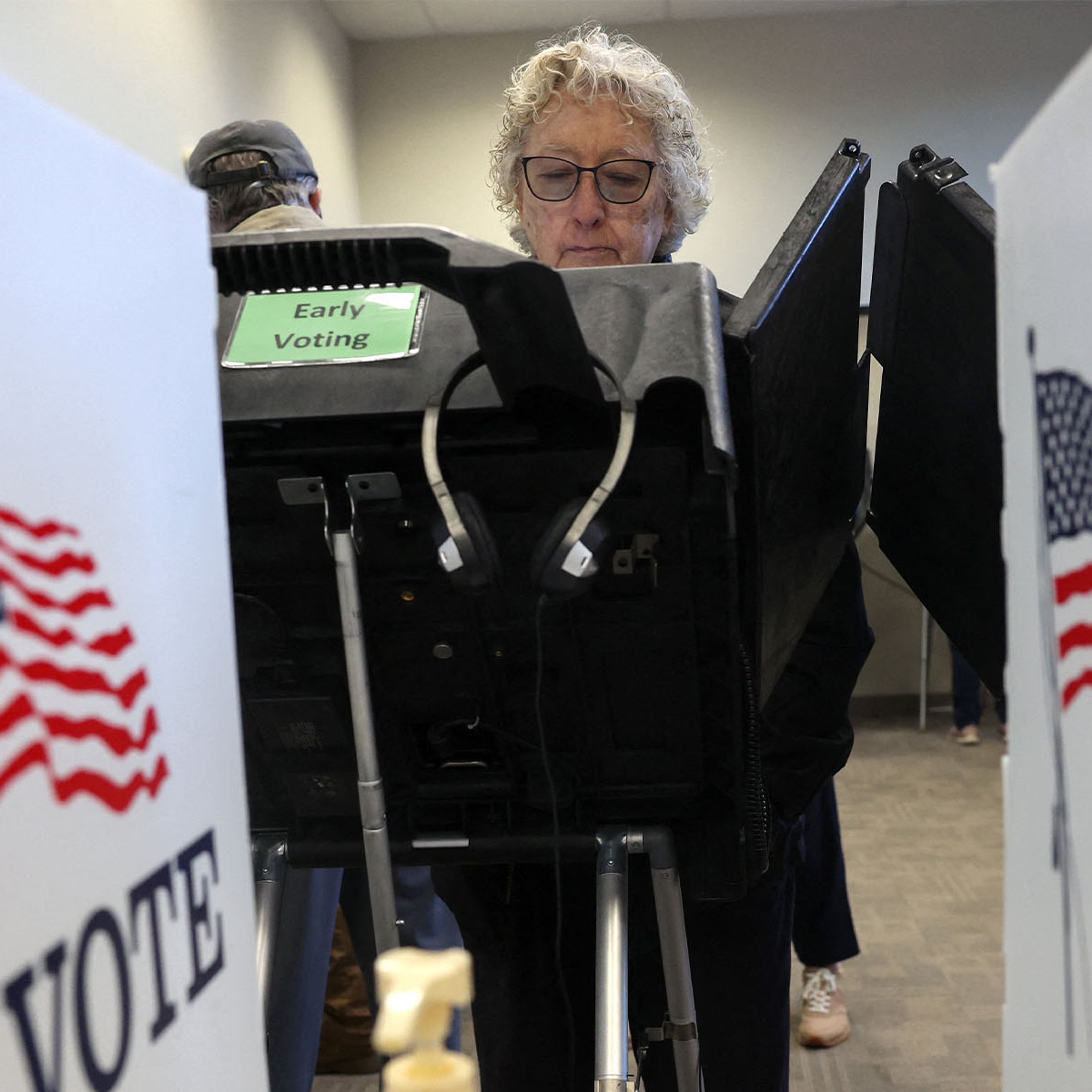
Turnout levels may also work in the GOP’s favor: House Democrats who narrowly won election in 2008 on the strength of high turnout among African-Americans and young voters probably won’t be able to count on that same level of enthusiasm next year in a nonpresidential election.
Complacency, though, is a danger on both sides. Every Republican who reads those predictions had better read Ramesh too:
The Republican party has no leader. Nobody should be surprised by this fact. A party without the White House and without either chamber of Congress is unlikely to generate an unquestioned leader. To the extent Newt Gingrich overcame those odds in 1993–94, it was because of highly unusual circumstances. He had led the fight against the previous Republican president’s tax increase in 1990, that president had lost his reelection campaign, and the party had concluded both that the tax increase was the most important mistake that had led to the defeat and that it was connected to all the other mistakes.
Ronald Reagan was to some extent the leader of the party after Gerald Ford’s 1976 defeat, although we tend to forget how tough a primary campaign Reagan had to fight in 1980. But he would not have earned that status if he had not challenged Ford in a two-man primary and Ford had not then lost the general election.
The present circumstance offers no parallel to either previous set of wilderness years for the Republicans. Nobody ran against Bush in the 2004 primaries, he was reelected, and no single piece of legislation became the organizing principle for an intra-party opposition that ultimately saw its interpretation of events adopted by the party as a whole. Nor did any Republican go mano-a-mano against McCain in 2008.
The search for a leader of the party is therefore destined to be fruitless. The party will not have a leader until it has a presidential nominee or has taken control of a chamber of Congress. The good news is that the party doesn’t really need leadership. The bad news is that it also doesn’t have what it does need: entrepreneurship.
More on that here.


Comments