
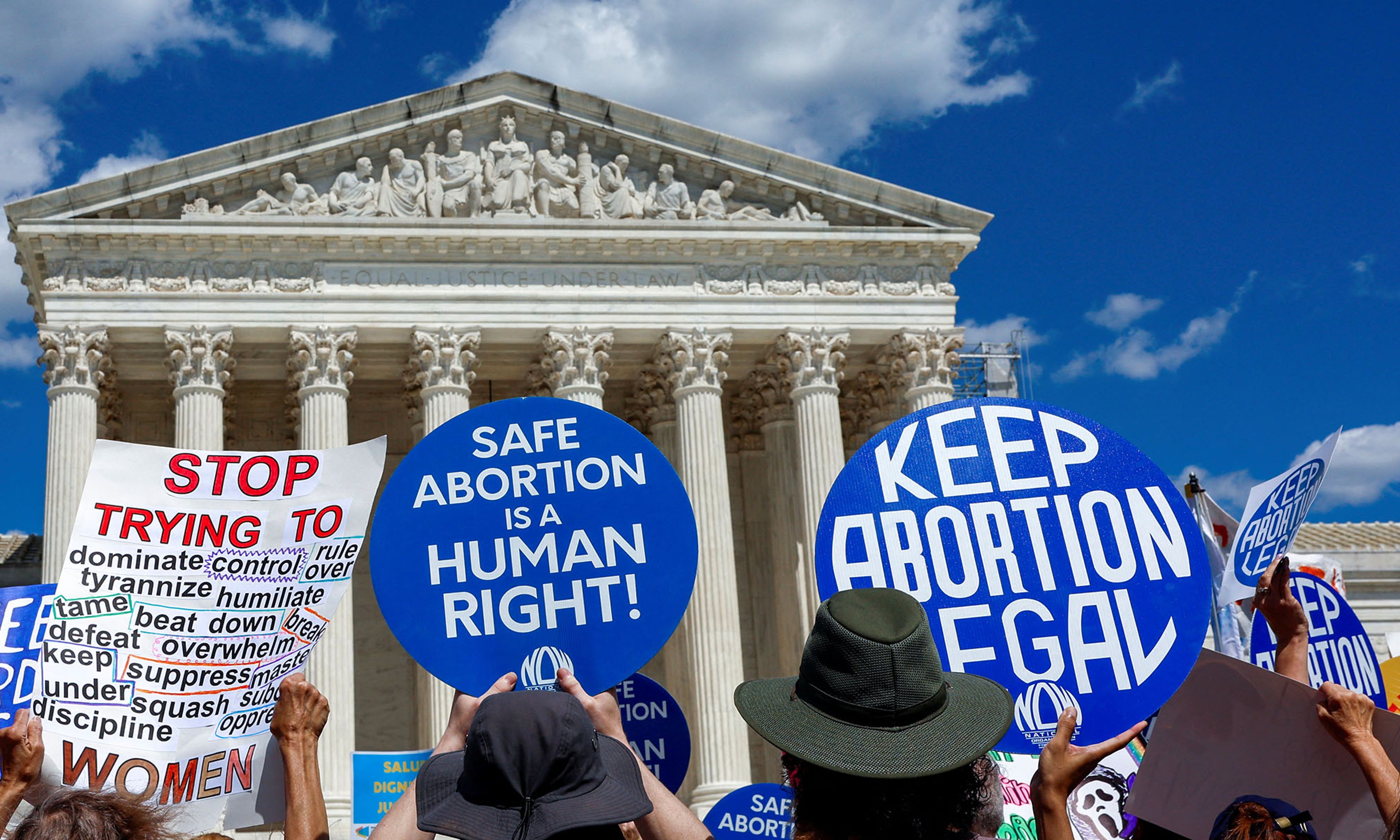
Jill Filipovic writes about them in the New York Times:
How could significant numbers of voters cast their ballots for legal abortion and also for the man who helped make it possible to criminalize abortion in the first place? . . . The positions of these voters are indeed incoherent. But they’re also reflective of the new political coalition Mr. Trump has built, and the kind of men and women who back him.
Two points about this. First: While the Republican coalition is in some respects new, and the fact that Roe is no longer operative also differentiates 2024 from previous election years, there’s nothing new about pro-choice voters backing candidates who oppose abortion.
Exit polls suggest Trump got 14 percent of voters who think abortion should be always legal and 40 percent of voters who think it should be legal in most cases. Twenty years ago, George W. Bush got 25 percent of the always-legals and 37 percent of the mostly-legals. Bush got about 33 percent, while Trump got about 30 percent, of both pro-choice groups combined.
Second: I’m not sure that these voters’ views are any less “coherent” than those of other groups of voters. Let’s leave aside the question of what views on the underlying issue cohere. (Is the view that the right not to be killed begins immediately after birth “coherent,” for example?) Is there anything especially strange about thinking either: a) Abortion should generally be legal, but a lot of other issues are more important to me when casting a vote; b) Abortion should generally be legal, but I don’t think Trump will do much to try to change its legal status, let alone succeed; or both; or c) both?
Some voters, it’s true, may be simply misinformed. In May, the Times reported that 17 percent of registered voters considered Biden responsible for the end of Roe v. Wade. But if voters don’t care enough about the issue to find out the most basic information about it, then they can reasonably be slotted into group A.






Comments