
Lynne — I’m afraid I’m still not buying your analogies. You write, in part:
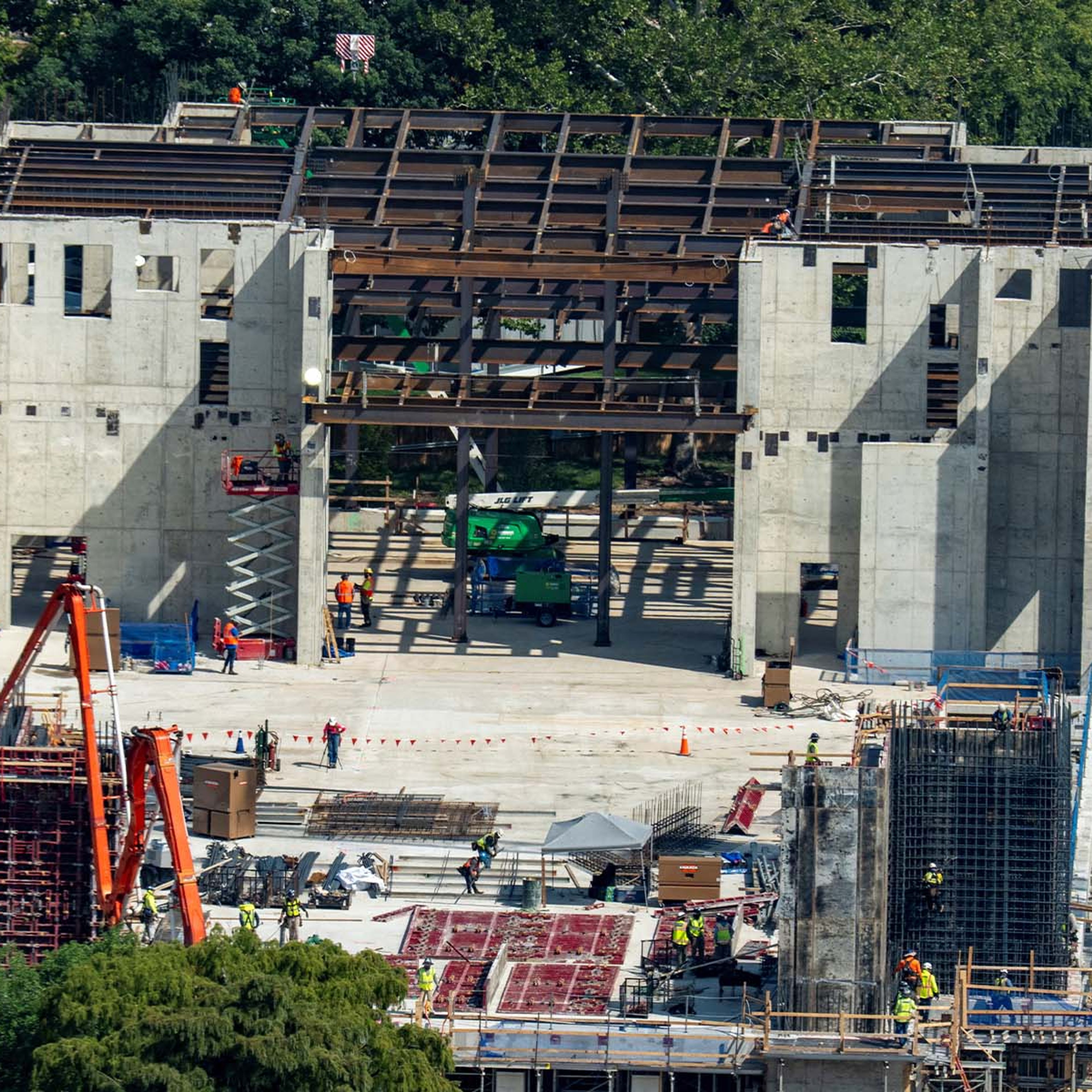
I received a call yesterday from someone with the increasingly infamous Third Church of Christ, Scientist (cue the photo of a large, concrete church). He wanted to make sure I knew that it was the church that wanted to destroy their own building.
I’m going to use an admittedly extreme example to make a point about art ownership. Someone who owns a Van Gogh could choose to destroy it. But only the most rights-obsessed among us would defend that decision. Art objects aren’t like most commodities. Sure, they are “owned,” but that ownership is temporary since the lifetimes of great objects far outstretch our own. That is, unless the temporary owner of an object destroys it. Then it’s gone.
The upshot seems to be that according to you, all but the most “rights-obsessed” would agree that some sort of intervention — presumably state intervention, right? — would be justified from permitting this man to burn his Van Gogh painting.
The thing is, the “rights-obsessed” have a solution for this kind of problem: Buy the painting. If I announced I was going to burn my Van Gogh because I couldn’t afford to store it, lots of rich people would say, “Don’t be a fool! I’ll buy it from you.”
Likewise, if for some absolutely bizarre reason no rich person opted to buy it, the Smithsonian or some other governmental agency would step in.
The key here is compensation of private actors when public needs take precedence. That’s why we have a takings clause in the constitution. I think I can get behind some kind of artistic eminent domain in order to protect a Van Gogh, but if “we” are going to take the painting, the owner must be compensated for it.
This highlights the problem with your analogy. In this case the church is less like the owner of the Van Gogh and more like Van Gogh himself. The church doesn’t want to destroy the building, the church wants to better serve its flock by selling the building. If the government or a group of folks like yourself want to save the building, I am sure the owners will gladly sell it. What the historic preservationists want is to save the building, but make the church bear the financial burden. That seems unfair to me generally, and especially problematic given that it’s a church and the state isn’t supposed to boss around churches.
Saying “you should save that” is always easy, when the costs are carried by someone else.



Comments