
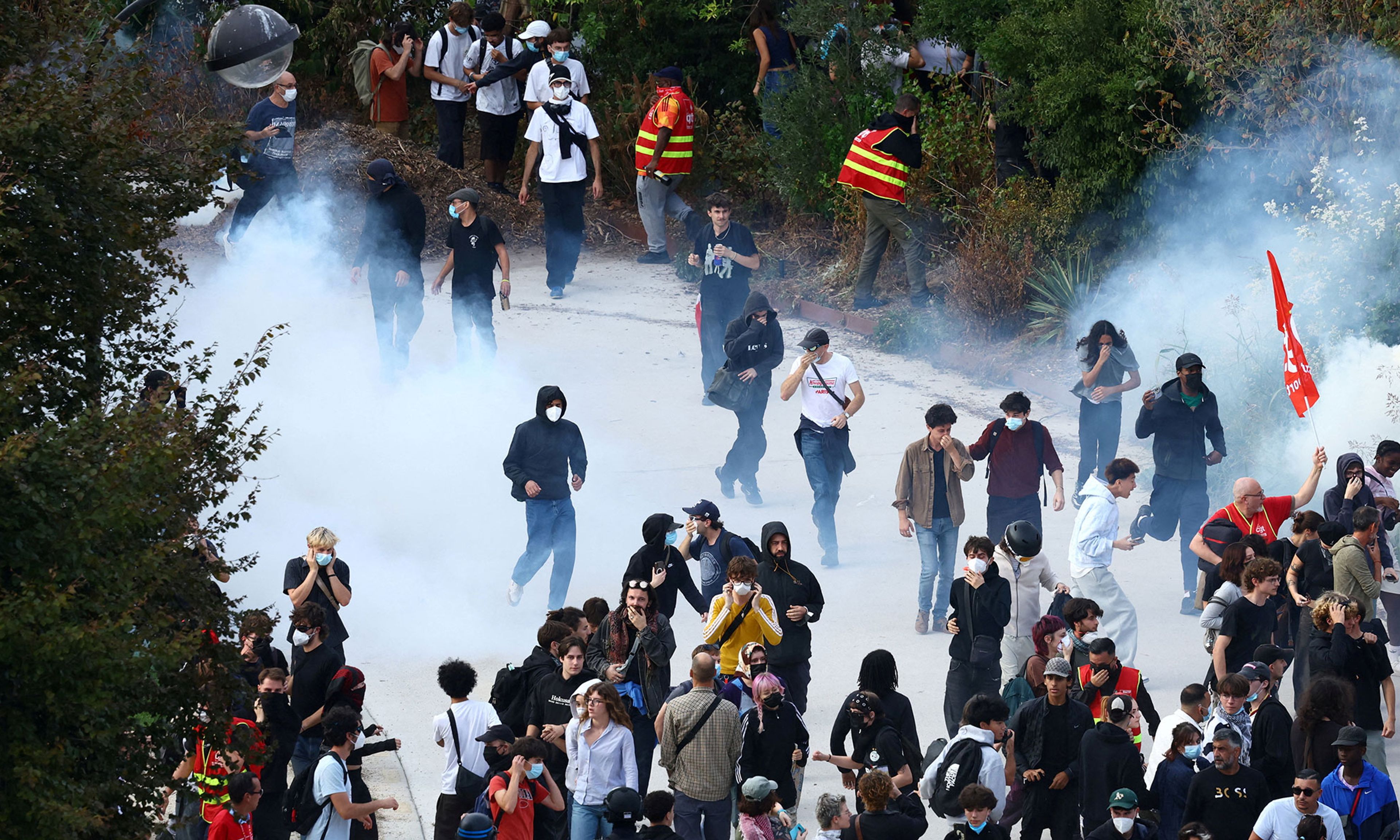
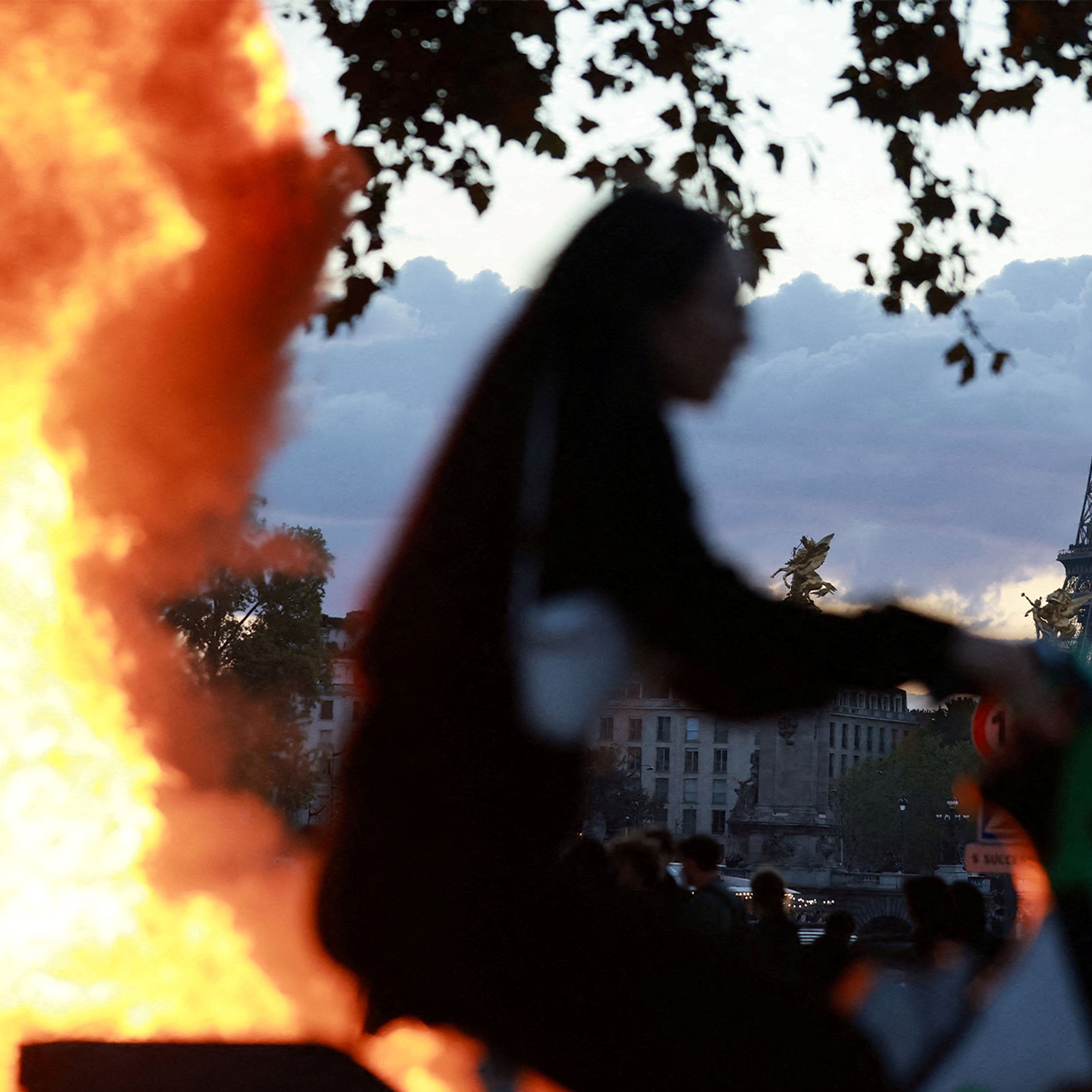
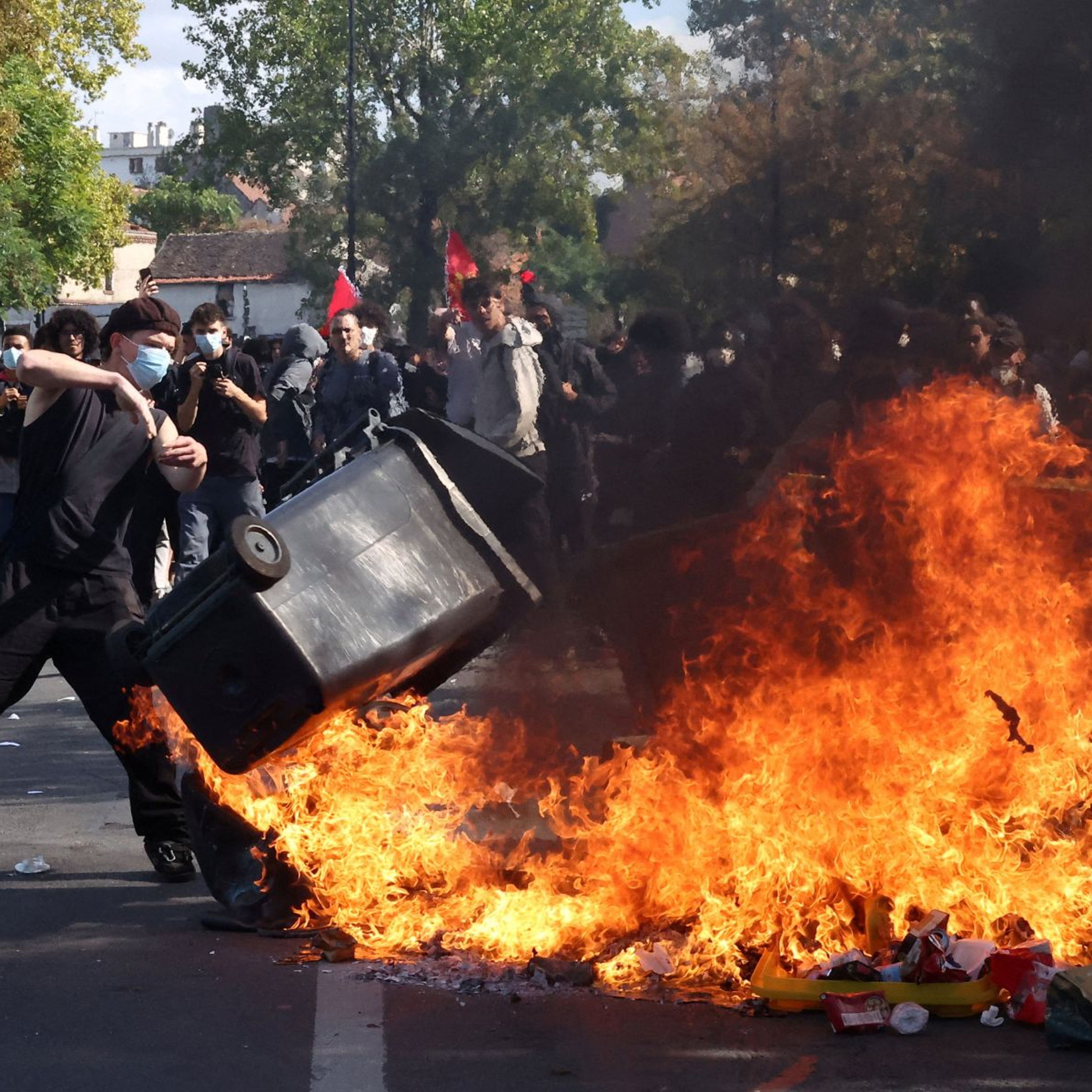
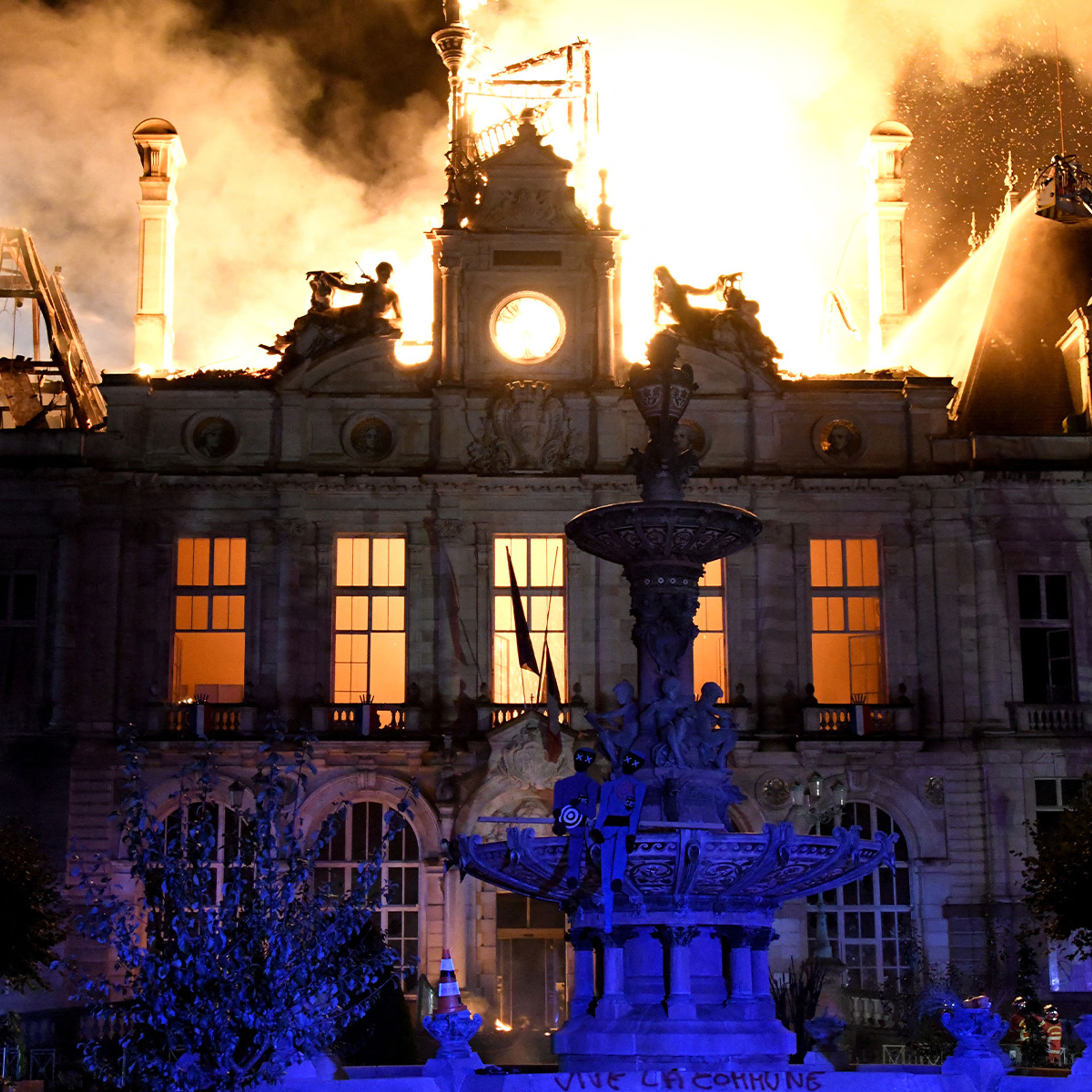
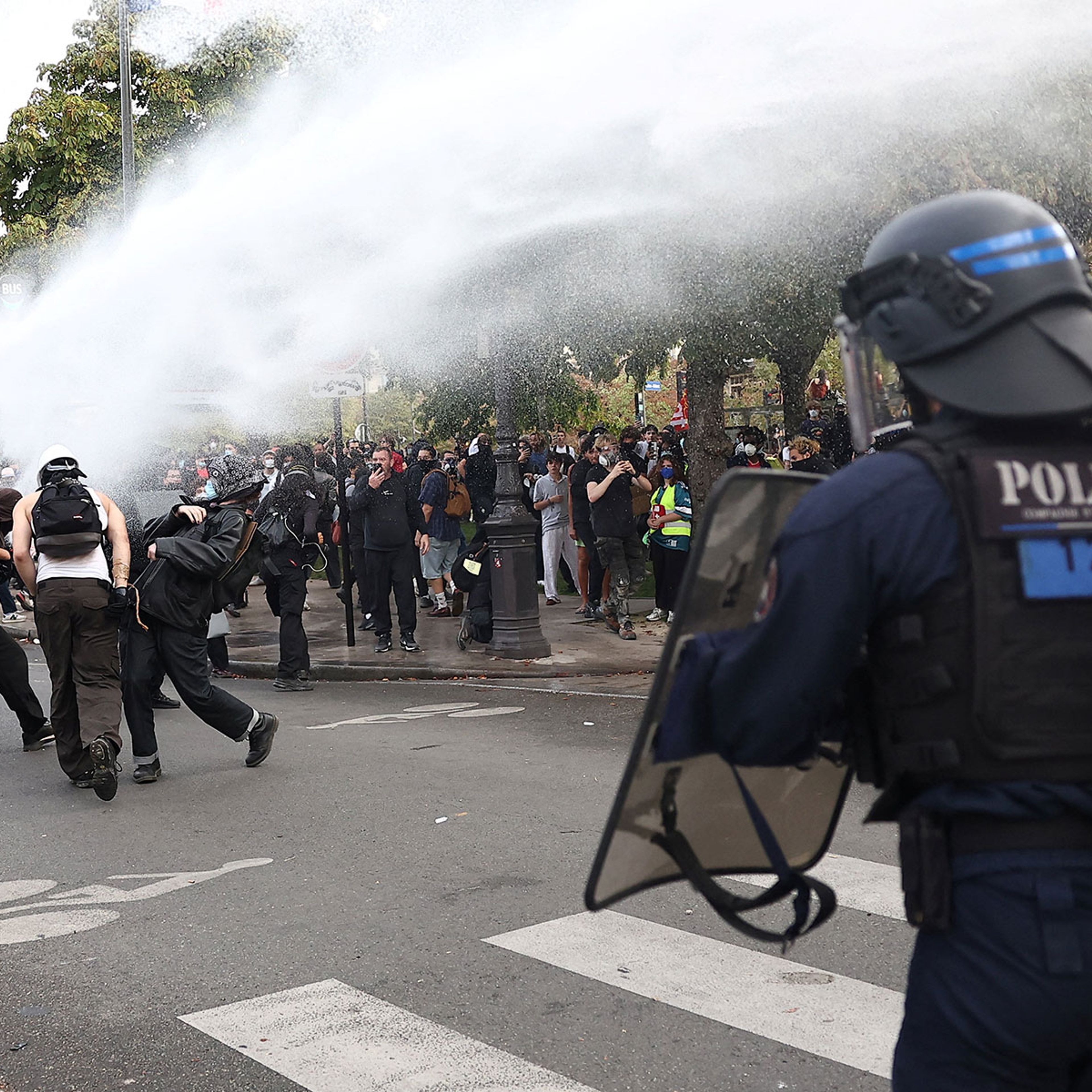
“Students” in France are “protesting” for more “school funding,” the mainstream media explain to us. But if you’ve been exposed to footage on social media platforms, you’ll notice that many of the “students” are minority men who are not school-age. You’ll see that the “protests” involve torching historic buildings, throwing stones at cars, smashing windows, burning vehicles, looting designer stores, and ransacking grocery stores (but rather mysteriously, leaving refrigerators with ham untouched). You’ll see that entire streets have been destroyed, except the kebab shop. You’ll wonder, was the school funding being kept in the produce section of a corner shop? Were the extra books being hoarded in a Swarovski store? Were the better teachers locked away in a synagogue, just waiting to be recruited into a public school? Why did the demands for more money from the French government involve attacking an American embassy, a McDonalds?
The media is covering the riots in France only because a) they are gaining too much attention on social media to be ignored, and b) the “journalists” saw the opportunity to warp this into a warning about the “far right.” The New York Times published the headline, “France’s Far Right Seizes the Moment as Rioting Stuns the Country.” Nacionale explains that “Marine Le Pen, a far-right candidate, is using the situation to boost her popularity by placing the issue of fuel prices at the center of her campaign.” (Emphasis mine.) NBC News published the headline, “How France’s far right has capitalized on a weekend of riots, looting and chaos.” Beneath it, in slightly smaller print, appears the sentence “Marine Le Pen has used the unrest to cast herself as the voice of reason, order and strict controls on immigration.” In the words of Semafor, “French far right looks to capitalize on unrest.”

Comments