
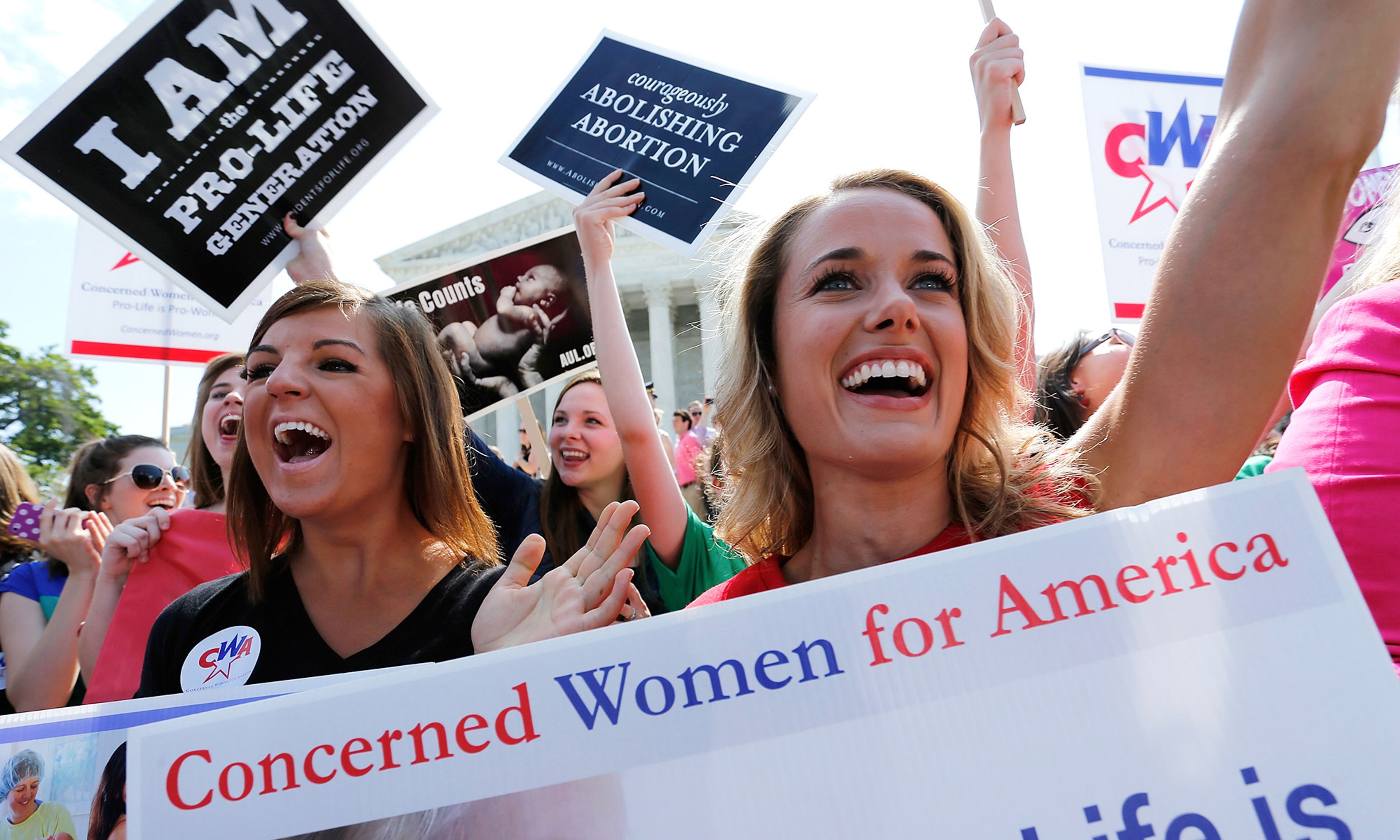
Yesterday, both David French and I criticized Margaret Renkl’s New York Times column criticizing the traditional American practice of religious liberty for being too expansive. But I’d like to make one more comment on this claim of hers: “In this country, citing religious or spiritual convictions is often a surefire way to get out of doing something you’re required by law to do.”
Some laws, such as almost all state vaccination laws, include explicit exemptions for religious objectors (and, often, non-religious objectors). The federal government and many states also have laws that authorize judges to exempt believers from otherwise applicable laws in specified circumstances. The federal Religious Freedom Restoration Act (RFRA) requires exemptions from laws that impose a substantial burden on a believer’s exercise of his religion unless applying that law to the believer is the least restrictive means of furthering a compelling governmental interest.
Renkl would leave Times readers with the impression that religious objectors to laws are frequently successful in invoking laws such as RFRA. This impression is false.
This law-review article finds that in the three years after the Supreme Court’s Hobby Lobby decision, federal courts applying RFRA ruled against religious believers seeking exemptions 50 percent of the time. This one, looking at several types of religious-liberty litigation, concludes, “It is a story of a relatively small number of cases, brought predominantly on behalf of non-Christian religious minorities, meeting limited success.”
This 2010 analysis of state RFRAs found that claims are rarely brought under them and even more rarely successful. (“In most jurisdictions, plaintiffs have not won a single state RFRA case litigated to judgment.”)
Making a religious-liberty claim is, in short, rarely a successful way to get an exemption from a law.




Comments