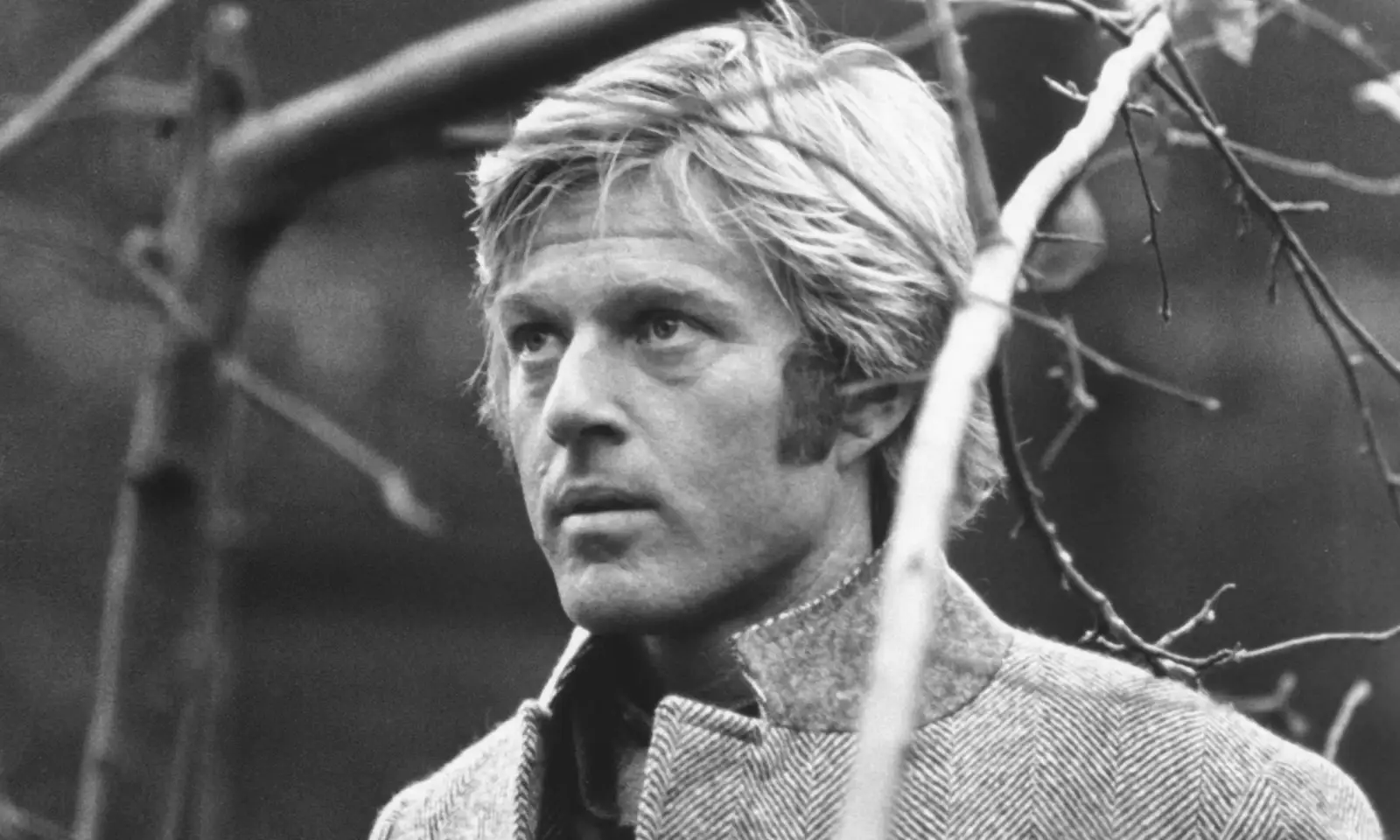
Coincidence can feel uncanny. After putting our baby down to sleep last night, my wife and I began A River Runs Through It, the film Robert Redford directed and narrated with the warmth of someone guiding you along a riverbank he knew by heart. We didn’t finish it; new parents rarely do. By the time I woke, he was gone. Redford, 89, died this morning surrounded by family at his home tucked in the Utah mountains that he loved. He was my mom’s silver-screen crush, and she was hardly alone. He was so handsome that Mike Nichols once told him he couldn’t cast him in The Graduate because “you can never play a loser.” When Redford pushed back, Nichols asked if he’d ever struck out with a girl. Redford, genuinely confused, said, “What do you mean?” Alongside Paul Newman and Warren Beatty, he helped define a new kind of stardom as the old studio gods faded. The camera adored him, but he never seemed to adore himself. As time caught up with him, he leaned on sturdier things than appearances. “I’m not a facelift person,” he said. “I am what I am.” By the time I came of age in the ’90s, Redford was already an elder statesman of American cinema. The first film of his I ever saw wasn’t Butch Cassidy or The Sting but Sneakers, where he played an aging con man leading a band of hackers. Earlier generations knew him as the inimitable Jay Gatsby, the frontiersman in Jeremiah Johnson, the codebreaker who dressed so effortlessly cool in Three Days of the Condor that even the CIA wanted him gone, and the golden boy who stole Barbra Streisand’s heart in The Way We Were. He moved with ease between rogues and heroes, reporters and lovers. Redford was just as commanding behind the camera. His directing debut, Ordinary People, won Best Picture and remains one of the most piercing films ever made about family. He followed it with the Oscar-nominated Quiz Show, and, more enduring still, he built Sundance — not just a festival but an institute, a place where independent filmmakers could find their footing. He understood the cost of fame. “Be careful of success; it has a dark side,” he warned. He turned that awareness into something constructive: a haven for others. He also knew grief. Redford’s first son, Scott, died of sudden infant death syndrome in 1959. His second son, James, a filmmaker and activist, died of cancer in 2020. Those losses marked him, though he rarely spoke of them. For all his fame, he remained, at heart, a family man, devoted to his wife, his daughters, and the grandchildren who carry on his legacy. His politics were deeply held but carried without rancor. It’s striking that his passing comes now, in the same hills where the country’s divisions feel so raw. “I’m not a left-wing person,” he once said. “I’m just a person interested in the sustainability of my country.” He treated protecting our natural wonders as a civic duty. His sincerity and conviction earned him respect across the aisle. In a statement, Utah’s Republican governor, Spencer Cox, said Redford “cherished our landscapes and built a legacy that made Utah a home for storytelling and creativity.” He also praised Redford’s “devotion to conservation,” which, he said, “shared Utah with the world.” That was the man. Not just a matinee idol, more than an actor turned director, but a cultural steward. Over seven decades, he helped shape how America saw itself and how the world saw us: tough but romantic, restless yet grounded, skeptical of power but still devoted to possibility. “I have no regrets,” he once said. “I’ve done everything I could to the best of my ability.” He kept that promise, and now the mountains he cherished hold him in their silence, as the screen bears his absence. Goodbye, Sundance.

Share this story
Robert Redford in a scene from the 1975 Sydney Pollack film Three Days of the Condor.
Screen Archives/Getty Images
About the Author
Giancarlo Sopo is a writer exploring cinema, politics, and the conservative imagination.
Featured Tags
Advertisement
Advertisement

Comments
On “Robert Redford, the Statesman of American Cinema”