
By now most of us are familiar with the term “adjustable-rate mortgage,” or ARM. An ARM is a loan the interest rate on which can change over time. Lenders use ARMs to make large loans more attractive to borrowers. ARMs became wildly popular during the housing boom as borrowers took out loans with low “teaser” rates, believing that, as the value of their homes rose with the tide, they could refinance at lower fixed rates before the “real” rates on their original loans kicked in. When the tide went out, millions of borrowers were left exposed. They couldn’t refinance, their rates jumped, and they couldn’t afford to stay in “their” homes.
Investor Bob Wiedemer likes to say that the United States is the largest holder of adjustable-rate debt in the world — nearly 40 percent of our public debt is short-term and must be refinanced each year. After the stock market crash of late 2008, U.S. borrowing costs plummeted even as it borrowed hundreds of billions to fund the bailouts, because investors the world over viewed U.S. government securities as a “safe haven” for their money in what had become a very unsafe world for capital. (Think of this “flight to quality” as the world presenting our government with a low teaser rate.) But our borrowing costs won’t stay low if we run trillion-plus deficits for the next three, five, ten years, as we are projected to. They will reset when we hit our credit limit. And when they rise (and they have nowhere to go but up), we could be looking at a situation where interest on the debt, which cost us $260 billion in 2008, costs us a multiple of that.
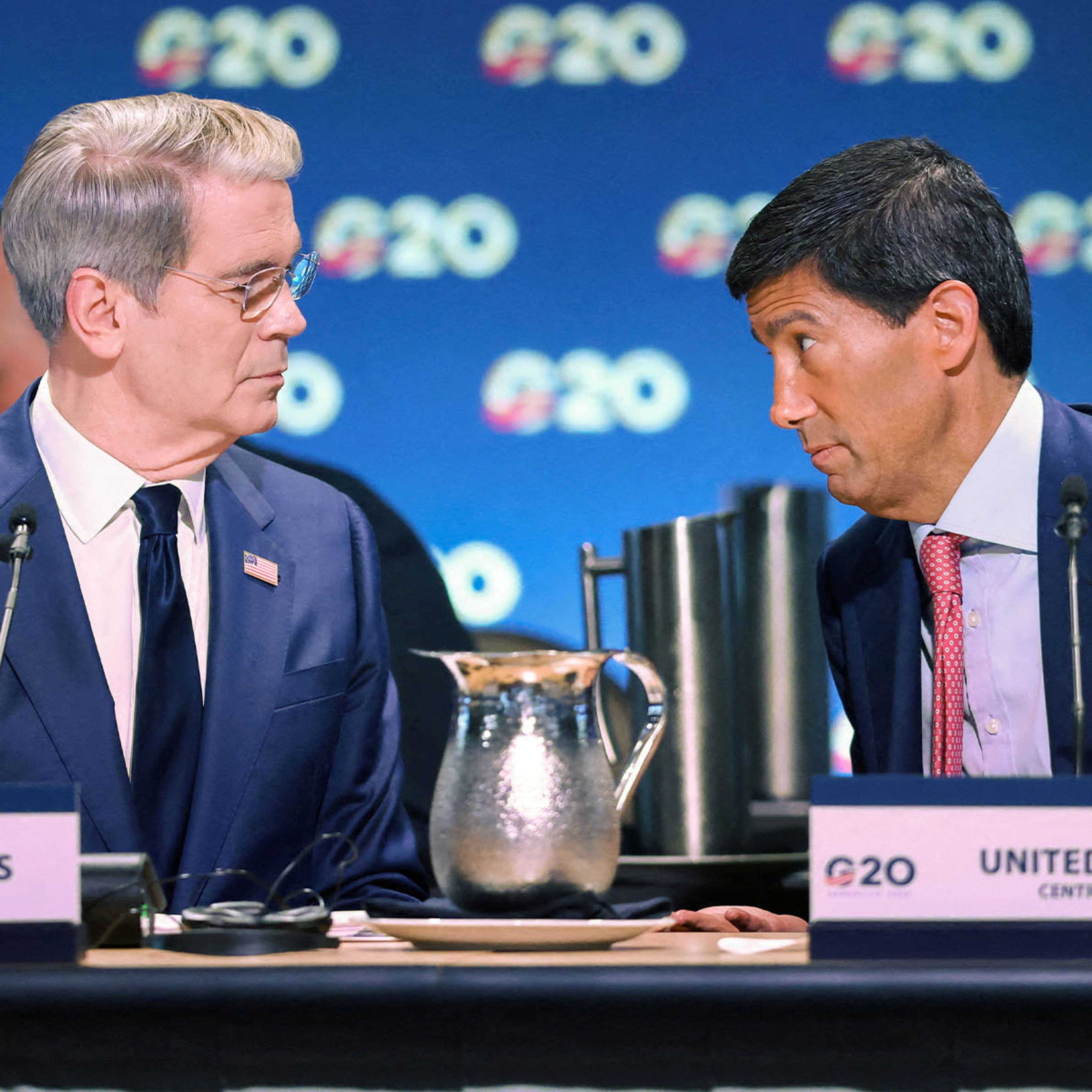
In this context, watch Rep. Paul Ryan — fast becoming the intellectual leader of the elected Right — as he puts the screws to an evasive Treasury Secretary Tim Geithner (ff to 62:15). Ryan confronts Geithner with a quote from a Wall Street Journal interview with OMB director Peter Orzag: “The ‘unusual situation’ the government finds itself in — with other countries willing to finance U.S. debt at low rates — ‘won’t last.’ And, he added, ‘When it flips, the question is how do you get ahead of that to avoid the downward spiral’ of rising interest rates, a plunging dollar and a sinking economy.”
Ryan looks up: “The vigilantes in the bond markets are going to get us, and the American people are going to get hurt. . . . Why aren’t you giving us a budget — not punting to a commission — that, using your own definitions and standards, actually is sustainable?”
Geithner evades: “When I left the Treasury in 2000, it was surpluses on OMB and CBO’s rounds as far as the eye could see; when we came in it was a deep trench.”
(Keith Hennessey’s simple explanation should suffice to explode this annoying trope:
It is true that 10 years ago we had a budget surplus of more than $200 billion, and that CBO projected surpluses “stretching out toward the horizon.” When CBO built its budget baseline for 2001, they had not yet accounted for the bursting of the late 90’s tech stock market bubble and the effect it would have on federal revenues. Like families, businesses, and investors, CBO made a mistake: they projected future revenue growth that was never going to occur. Critics of the Bush Administration hinge their comparative argument on this single mistaken budget projection which in hindsight analysts from both parties acknowledge was wildly inaccurate.)
“You can blame Bush only so long,” Ryan pressed. “You obviously inherited a tough situation. You’re making it worse by your own admission.”
At the end of Ryan’s time, Charlie Rangel says, “So much for the bipartisanship.” Of course. The polite, bipartisan thing to do is to play on as the ship sinks.



Comments