
Earlier this year, National Review’s editors took note of a troubling religious-freedom case bubbling in the Bayou State. Here were the basics of the case, as we wrote in July:
When in 2008 Father Jeff Bayhi, a priest then at Our Lady of the Assumption Catholic Church in Clinton, La., heard the troubling confession of a twelve-year-old parishioner, he likely did not imagine that his sacramental duty would land him in prison. But given a recent ruling by the Louisiana Supreme Court, Father Bayhi is in the position of choosing between prison and excommunication.
Per the Supreme Court’s ruling, Bayhi must appear before the 19th Judicial District Court in Baton Rouge, which will determine whether what he heard – a civil action by the girl’s parents contends that it involved allegations of sexual abuse by a 64-year-old parishioner — constituted a “confession” or instead some other non-confidential statement that invoked Bayhi’s duty to report abuse under Louisiana’s Children’s Code. Under the law, members of the clergy are “mandatory reporters” except when they have a duty to keep private “confidential communications” shared “in the course of the discipline or practice of that church” by “the discipline or tenets of the church” (CHC 603.17.c).
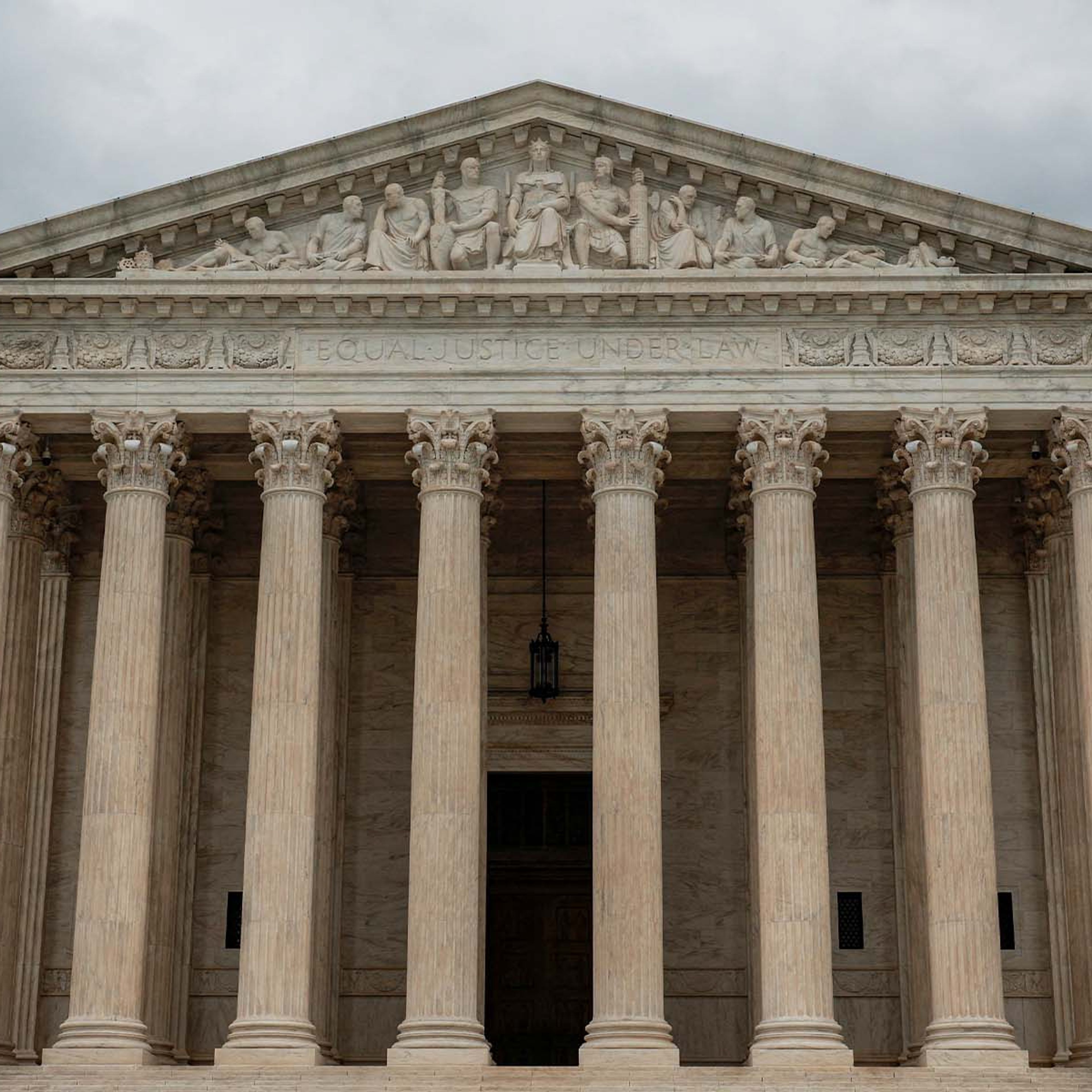
This week the Supreme Court refused to hear the case, meaning that Father Bayhi’s District Court appointment will proceed as scheduled.
To be sure, the Supreme Court cannot solve every problem, and this case may wend its way through the judiciary still. But the Court’s decision does leave in place a troubling possibility. The editors, again:
There is an apparent conflict between the ages-old laws of the Catholic Church and Louisiana legislation passed in 1991, but it is not the role of the state’s supreme court to adjudicate between the two. The First Amendment and historical precedent clearly shield Father Bayhi from having to testify in violation of his vocation.
Insofar as the First Amendment intended any “separation between church and state,” it was to protect the church from the state, not vice versa. The notion of a judge having the ability to determine what is or is not a confession should be deeply disturbing.
Read the full editorial here.
Since the trouble here is statutory — and has been avoided by most other states — a legislative fix would seem to be in order. Calling Governor Jindal.




Comments