
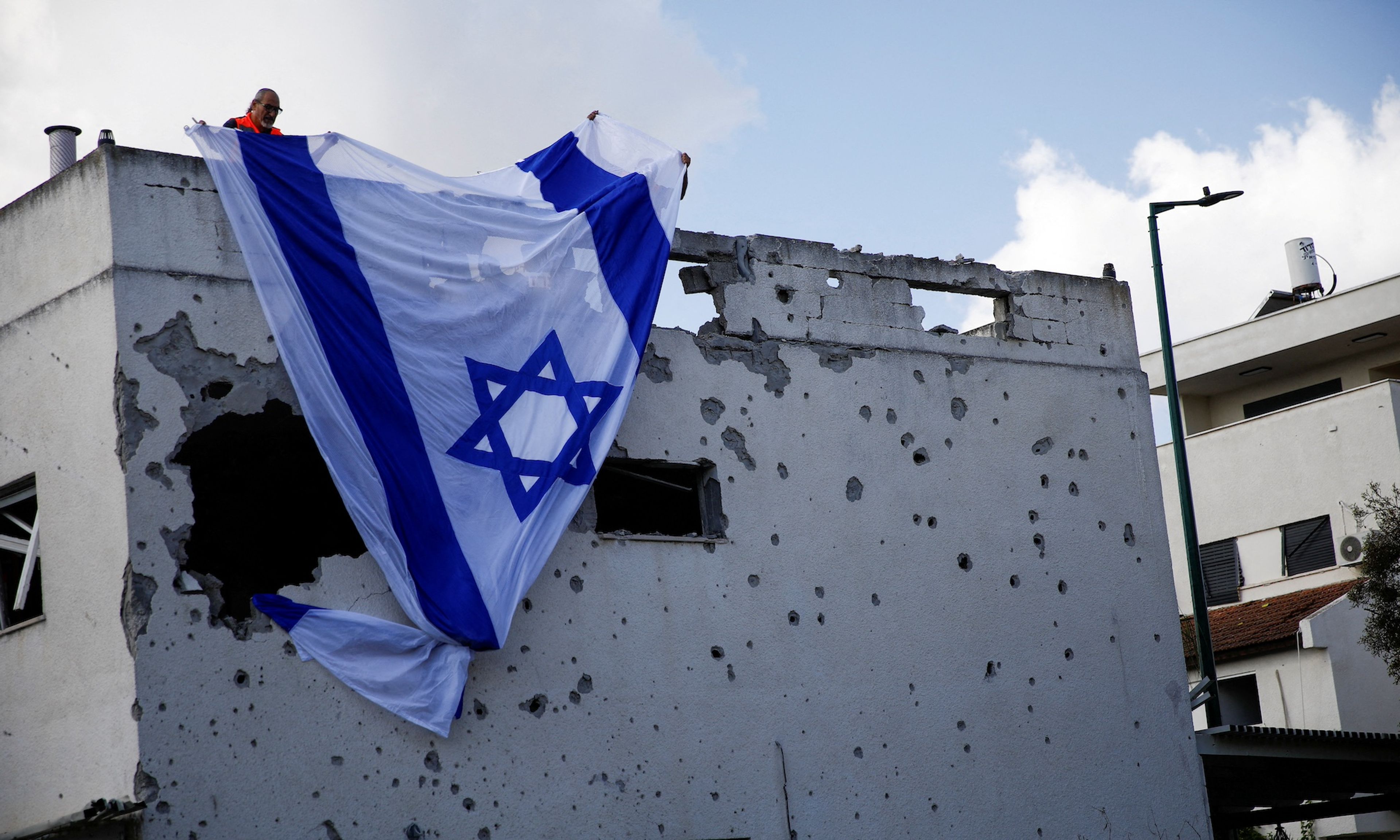
With Natan Sharansky, I have recorded a podcast, a Q&A: here. We talk about the war in which Israel is engulfed. The war that has been visited on it. We talk about the Ukraine war — Putin’s assault on that neighbor. We talk about the interconnectedness of things. This is a critical hour in modern history.
Sharansky has been many things in his life. Soviet dissident and refusenik. Prisoner in the Gulag, for nine years. Writer. Israeli politician and government minister. Global human-rights activist. And so on.
My first question is a strange one: What do you call the current Middle East war? The “Gaza war,” or the latest of the Gaza wars? No, the war is wider than that, Sharansky points out: involving Hezbollah, Iran, and others. The war is “a struggle with all our enemies who are trying to challenge our existence at the same time.”
My impression, from far away, is that Israel has the upper hand. True? Yes, says Sharansky, but it is hard to speak of the “upper hand” when close friends are dying in battle. Israel is a small country. Everyone knows the fallen.
A common question, and a good one: What would winning look like, for Israel? Sharansky answers at length. But his answer in a nutshell is this: “To win means that our enemies have no chance to destroy us.”
Israel has made many mistakes in the past, says Sharansky: the Oslo process; disengagement from Gaza; approval of the money relationship between Qatar and Hamas. Israelis will not go back to such mistakes, Sharansky hopes.
How about the issue of Palestinian casualties? “I don’t take easy the suffering of Palestinians,” says Sharansky. He feels for the victims — for the innocent. But you have to remember, he says: Hamas targets women and children and all civilians. The Israeli military does not.
In 2004, Sharansky wrote a famous book called “The Case for Democracy.” (Excellent book.) Does he still believe in it, this case? “Of course,” he says. He then responds to some criticisms and misperceptions of his case.
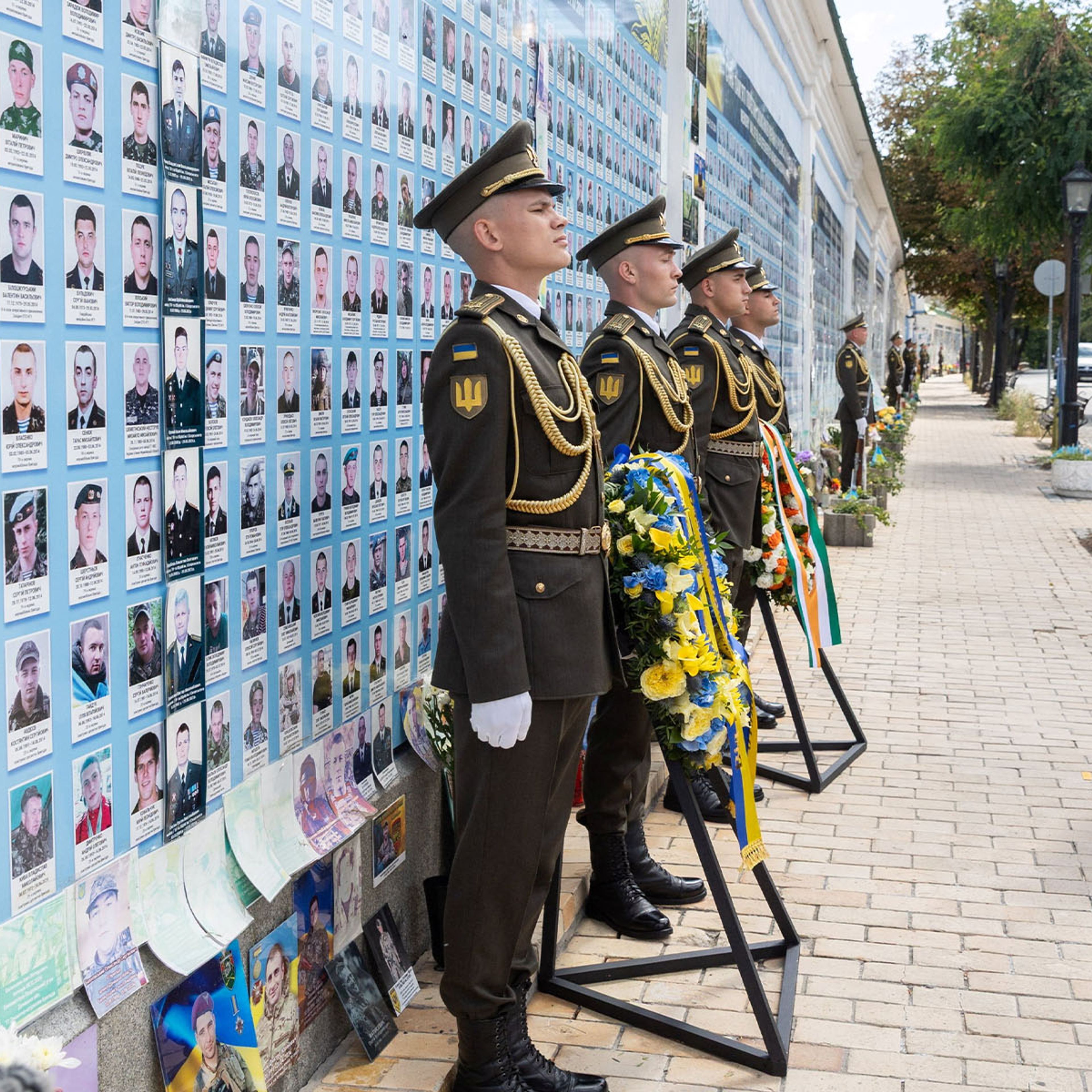
About the Ukraine war, he talks in some detail. The Ukrainians are fighting for their right to exist — for their national survival. So are the Israelis. And both peoples are fighting wars for the future of the Free World, says Sharansky.
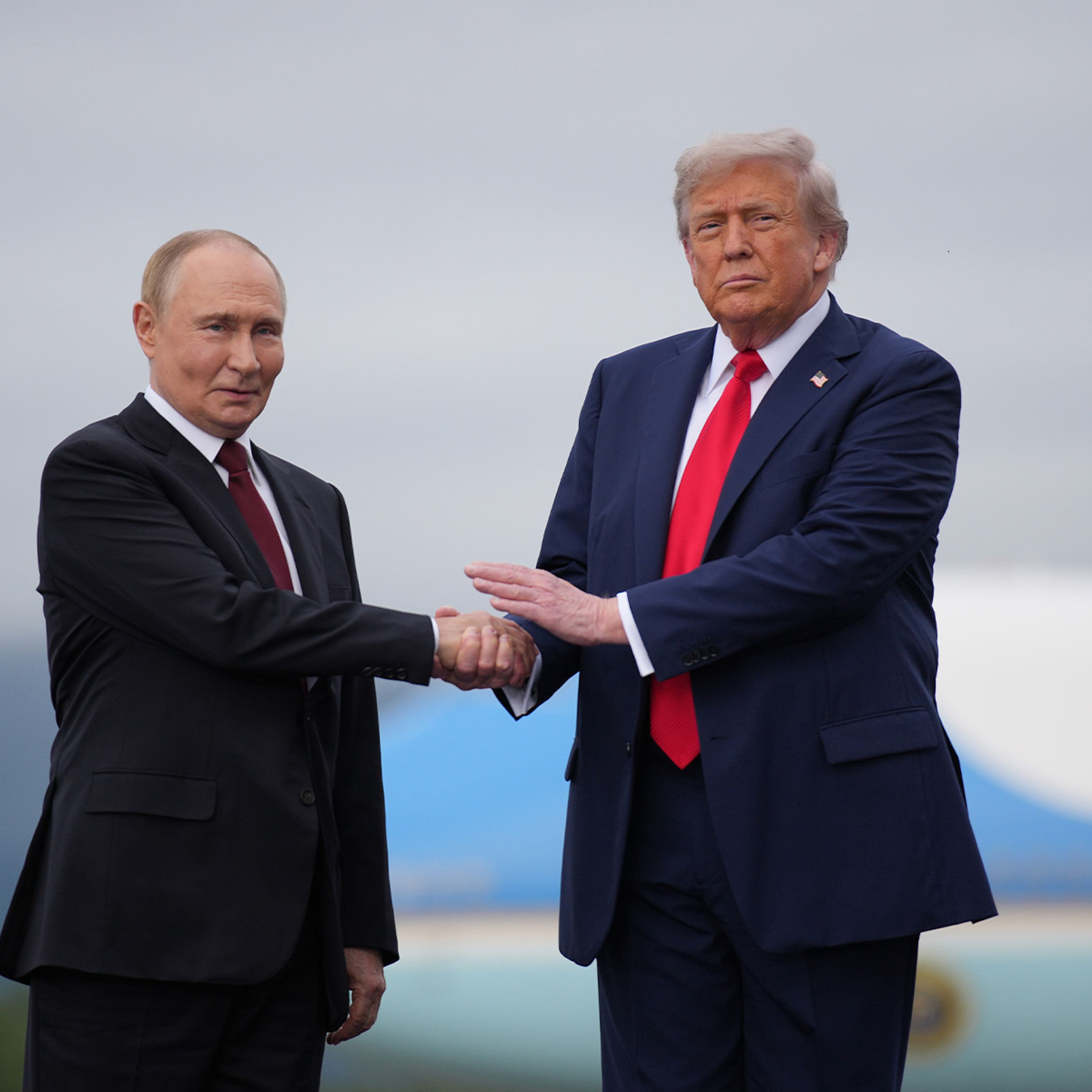
“Putin wants to restore the Russian empire. In order to do this, he needs to change the rules that were established after World War II.” Such as? “Wars cannot be the way of solving problems. If a country is small or weak, it should not have to worry about a neighbor that is big and strong.” There are, or were, rules governing these things.
“It’s very important for NATO, for America, for the Free World, to stop Putin,” says Sharansky. Russia and North Korea and China; Iran and Hamas and Hezbollah — “it’s one big camp.”
To his friends in the U.S. Congress, Sharansky says, “Of course, we need your help. We are dependent on your help. It is very important that you be with us. But don’t forget about Ukraine, because that is also your war. And it is our war.”
On November 17, Vladimir Kara-Murza, Ilya Yashin, and Yulia Navalnaya will lead a march in Berlin — a march against Russia’s invasion of Ukraine. The three are Russians in exile. Kara-Murza and Yashin were political prisoners until recently. They were released in the swap between the West and Russia on August 1. Navalnaya’s husband, Alexei, was a political prisoner too. He was not included in the swap, however, because the authorities killed him in February.
Sharansky suspects that one reason Putin decided to kill Navalny was that he did not want him to be released in the deal to come (or released ever).
Remember, Sharansky himself was part of a deal, a swap, in 1986. He and I discuss the tricky matter of swapping. He says something touching about Evgenia Kara-Murza, Vladimir’s wife: “She became like 20 years younger,” when her husband was released. “It was so great to see her smile.” But he feels terrible for Yulia Navalnaya, whose husband did not get out alive.
Maybe that is enough of a write-up. Better to listen to Sharansky as our conversation unfolded. Again, the Q&A is here. Natan Sharansky — who started life as Anatoly Shcharansky — is, quite simply, one of the greatest men of our time. To hear him in conversation, especially about the most crucial matters, is a privilege.




Comments