
A reader:
Dear Mr. Derbyshire,
Buffett writes:
“For decades the world has struggled with a shifting maze of punitive tariffs, export subsidies, quotas, dollar-locked currencies, and the like. Many of these import-inhibiting and export-encouraging devices have long been employed by major exporting countries trying to amass ever larger surpluses — yet significant trade wars have not erupted. Surely one will not be precipitated by a proposal that simply aims at balancing the books of the world’s largest trade debtor.”
He had me right up until that last sentence. If the US’s shift from net exporter to neutral to net importer was the enormously consequential macroeconomic shift Buffett says it is, then forcefully shifting from net importer to even is going to have some dramatic effects.
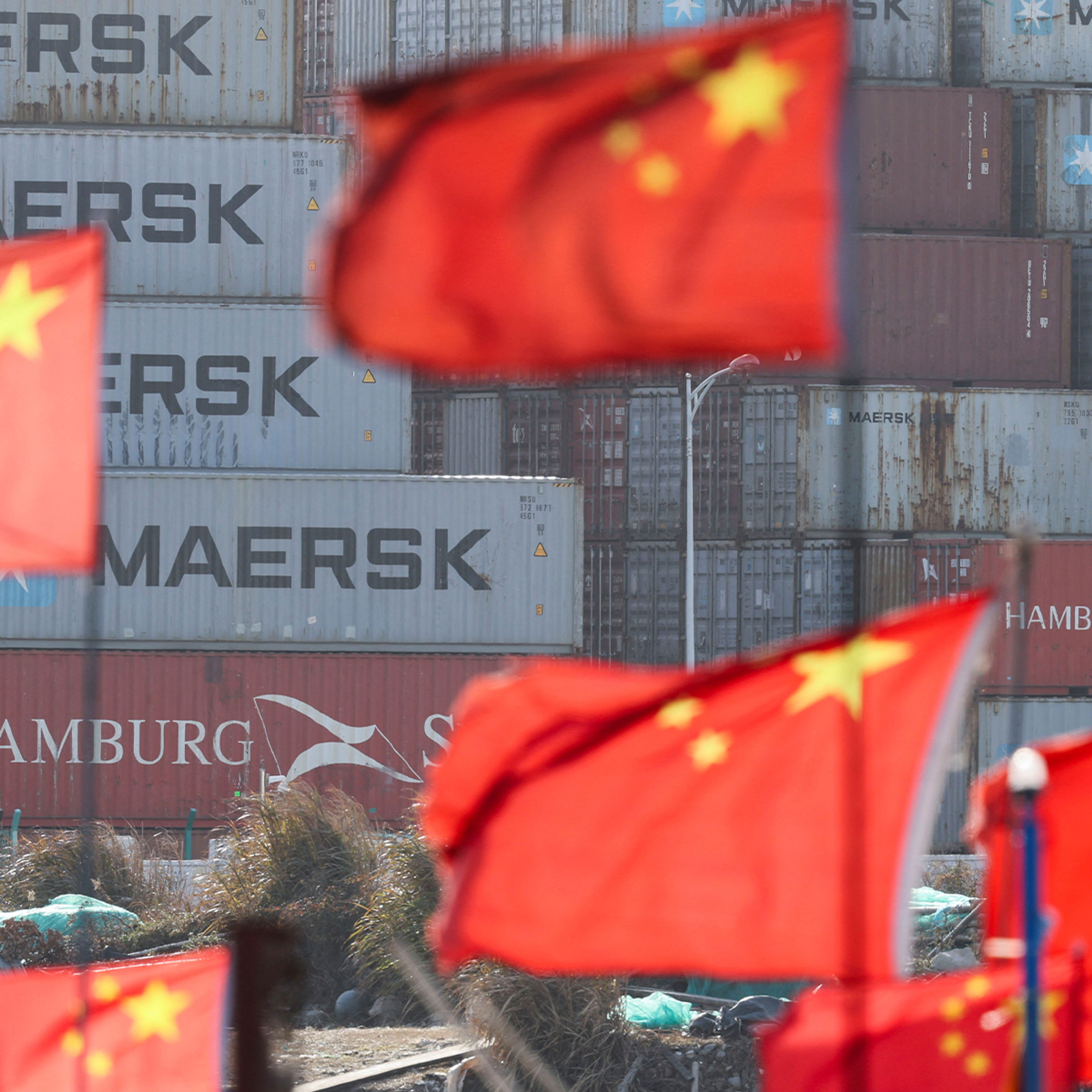
He goes on to use the example of China, at the time running a 115bn surplus with us. He suggests that China would simply find ways to purchase more of our exports. Of course, but how? They are going to either come out of domestic consumption (unlikely, given the difference in median income) or from Japanese and European Union exports. Buy more Boeings and fewer Airbuses; more GE and less Siemens or Hitachi. Not to mention that Germany and Japan are net exporters to the US on their own, and will thus have their oxen doubly gored. Frankly this has every hallmark of the pot-shot being taken at the Serbian archduke.
While I don’t think it’s Buffett’s primary motivation, the market for these trillions of import certificates would no doubt produce all sorts of revenue-generating opportunities for financial engineers, of which he is one of the best. It has at least a whiff of tax farming about it.




Comments