
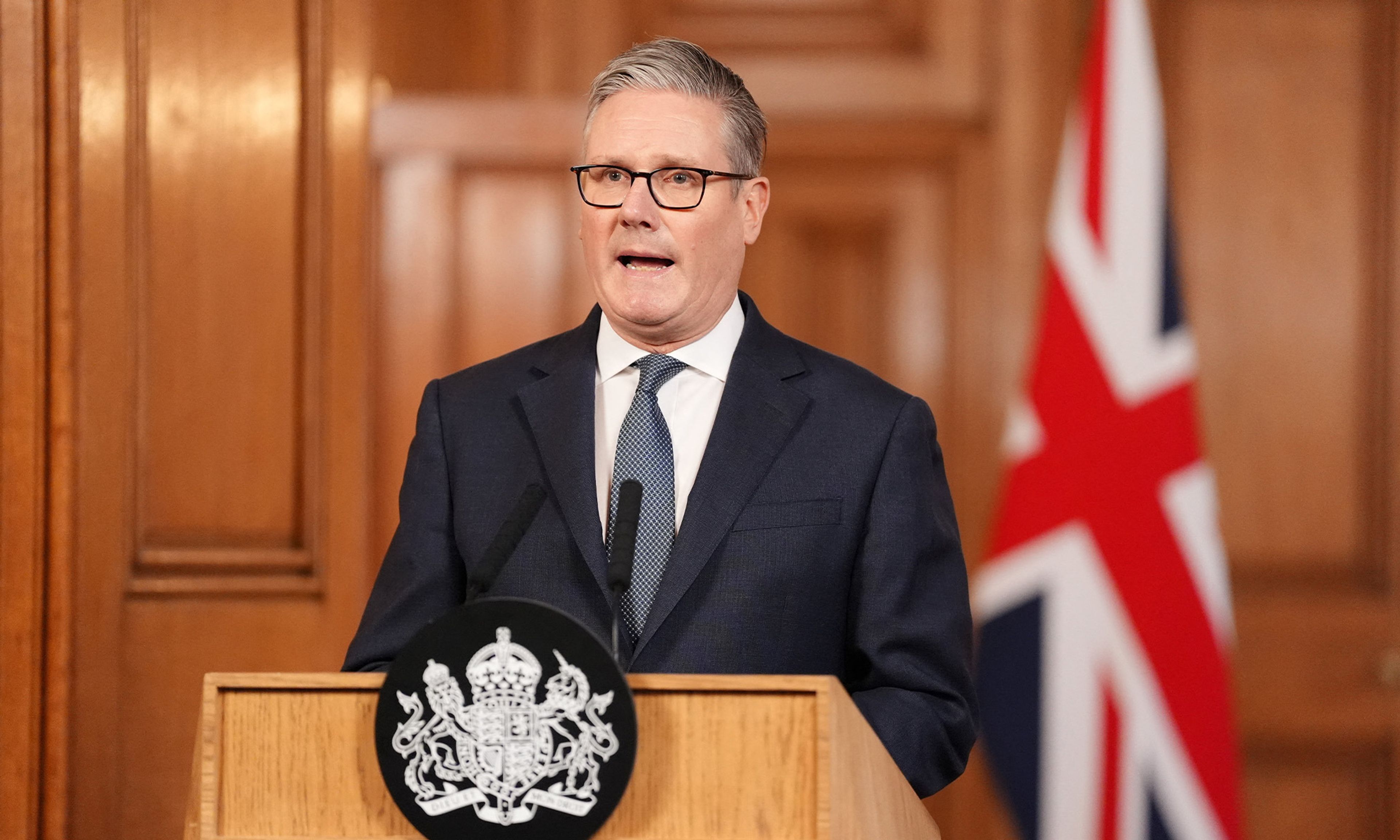
It was one thing for Keir Starmer, Britain’s enfeebled prime minister, to decline to join in the attack on Iran, but quite another to refuse to allow the U.S. to launch air strikes on the Islamic Republic from RAF Fairford in the U.K. or Diego Garcia, the Anglo-American base in the Chagos archipelago. President Trump commented that the refusal was unlike anything that had “happened between our countries before.” That may or may not be accurate (over the years, the “special relationship” has been spikier than is often imagined), but the president was right to be angry.
The reason Starmer gave for the refusal rested, he claimed, on “international law.” International law is a far shakier construction, legally, morally, and in reality, than its advocates like to accept. But it is a construction that Starmer turned into a pillar of his successful legal career. Doubtless the way that is so often weaponized against the West only adds to its appeal to him.





Comments