
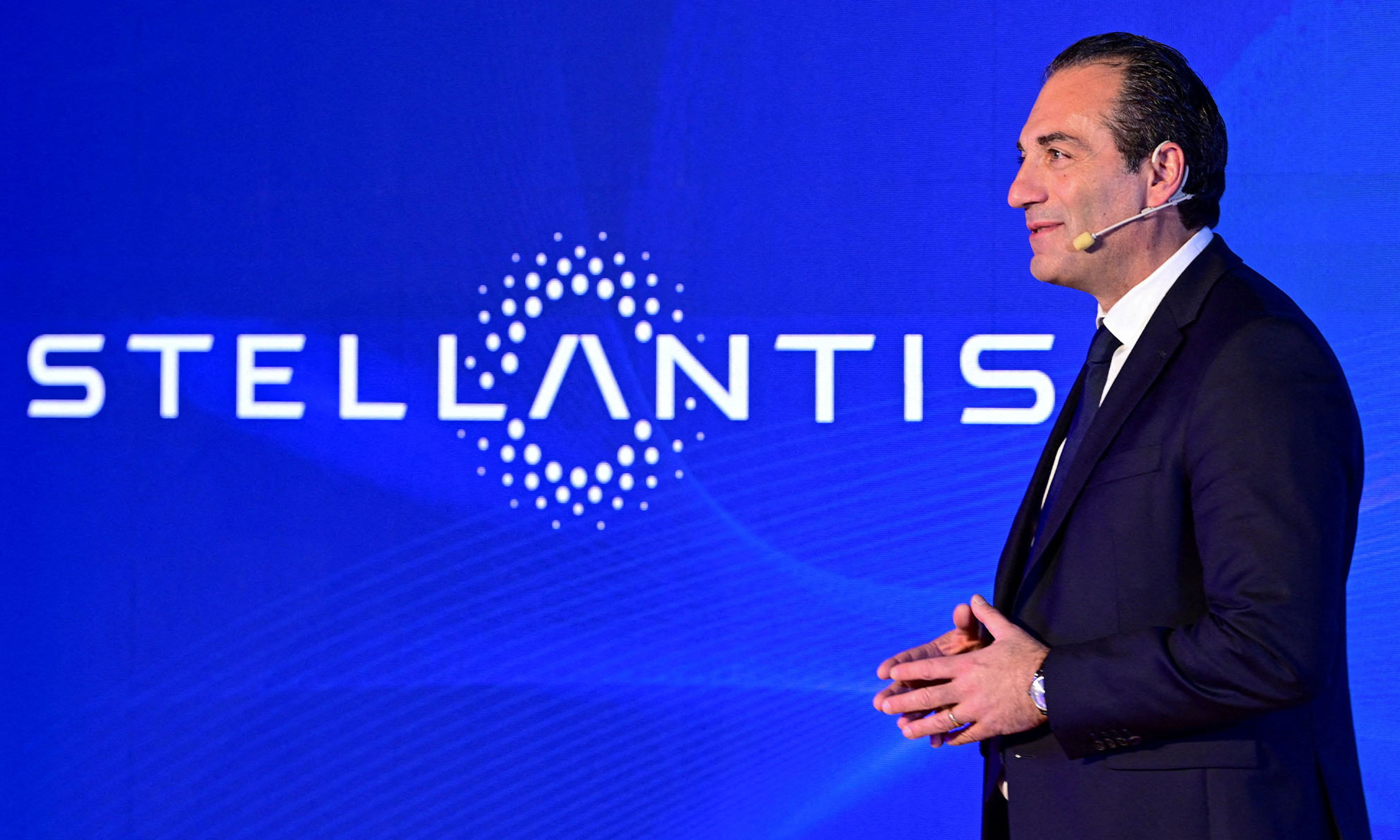
Stellantis, one of the world’s largest automakers (it was formed by the merger of Fiat Chrysler and Peugeot) has joined the list of car companies taking massive charges as a result of their adventures in electric vehicles. In total, the hit will be $22 billion, most of which relates to its EV business.
From the company’s press release this morning:
Stellantis . . . today announced that as part of the reset of its business . . . it has conducted a thorough assessment of its strategy and related costs required to align the Company with the real-world preferences of its customers. [Emphasis added.]
Somewhere a central planner screams.
More from the press release:
Over the past five years Stellantis has become a leader in electric vehicles and will continue to be at the forefront of their development. That journey continues at a pace that needs to be governed by demand rather than command. Stellantis is committed to being a beacon for freedom of choice, including for those customers whose lifestyles and working requirements make the Company’s growing range of hybrid and advanced internal combustion engine vehicles the right solution for them. [Emphasis added.]
The message the company is delivering could not be clearer. Assuming that the Trump administration’s rejection of bribing or “forcing” new car buyers to go electric survives, Stellantis will respond to (or anticipate) customer demand in the way that businesses are meant to do.
But what will Stellantis do in the EU, where the existing mandate banning (with very limited exceptions) the sale of new conventional cars and hybrids from 2035 remains in place? A grudging and inadequate easing of the rules has been put forward but has so far yet to be approved.
In other EV news . . .
The Daily Telegraph (February 5):
Electric vehicles (EV) have lost market share as carmakers warned that Labour’s plans to impose a pay-per-mile tax would do further damage to demand.
EV sales flatlined last month with registrations up just 0.1pc, according to figures from the Society of Motor Manufacturers and Traders (SMMT), which represents UK carmakers.
The market share of battery-powered cars dropped below 21pc as overall car sales grew at the fastest rate since Covid.
It marked the weakest EV market share in nine months and far beneath the 33pc that manufacturers are required to meet for the whole of 2026 under a government mandate.
The sale of new conventional cars is set to be banned in the U.K. from 2030.
The Daily Telegraph (January 31):
Chinese carmakers are expected to cash in on Britain’s net zero mandate after it emerged that major manufacturers will have to pay rivals to avoid fines.
Eight carmakers including Jaguar Land Rover and Toyota did not sell enough electric cars or low-emission vehicles last year to meet government mandates, according to an industry analysis.
Sales of electric vehicles (EVs) in [Germany,] Europe’s biggest auto market are growing but progress has been patchy, and the government and the struggling auto sector are keen to speed up the shift.
The previous government scrapped an earlier subsidy scheme in 2023 due to a budget crisis, prompting a collapse in EV sales, although they have been recovering in recent times.
The new programme “helps the environment, the automotive industry, and in particular families who otherwise couldn’t afford a new, environmentally friendly car,” said Environment Minister Carsten Schneider.
All is well.



Comments