I’ve just finished a fascinating essay by Steven Lenzner and Bill Kristol called, “What Was Leo Strauss Up To?” Lenzner and Kristol make it clear that Strauss’s political influence is real, yet indirect. Strauss had no detailed political program. Instead, Strauss created a “problematic”–a way of framing political and philosophical problems–that leads to a kind of conservatism. Strauss’s recuperation of ancient philosophy provides a critical perspective on (although by no means a complete rejection of) the individualism at the core of modern thought. Consult the article for more. But let me make a comment. There is an ambiguity in Strauss’s work. On the one hand, Strauss offers a brilliant critique of the relativism and historicism at the core of modern social science. As Lenzner and Kristol show, Strauss helped reintroduce us to the very concept of tyranny. In doing so, Strauss was challenging the paralyzing relativism of a political science incapable of calling the tyrannies of Hitler and Stalin by their right name. At the same time, Strauss’s project of rehabilitating ancient thought was itself a qualified exercise in relativism. Strauss showed us the value of a lost tradition in which virtue mattered, and the individual was not always at the center. That entailed both an affirmation of certain timeless truths, and a tribute to a way of thought and life that Americans neither can nor should reproduce in detail. The complexity for us today is that the Middle East combines elements of odious tyranny with aspects of the traditional, virtue-centered life. This means that our attempt to reform a country like Iraq must be handled with subtlety. I’m thinking, for example, of the difference between nurturing a liberal middle class, on the one hand, and bulldozing traditional social structures, on the other. I’ve written about this here and here. My point is that Strauss is caught between moral universalism, on the one hand, and a subtle and qualified form of relativism on the other. And so must we be.

Share this story
About the Author
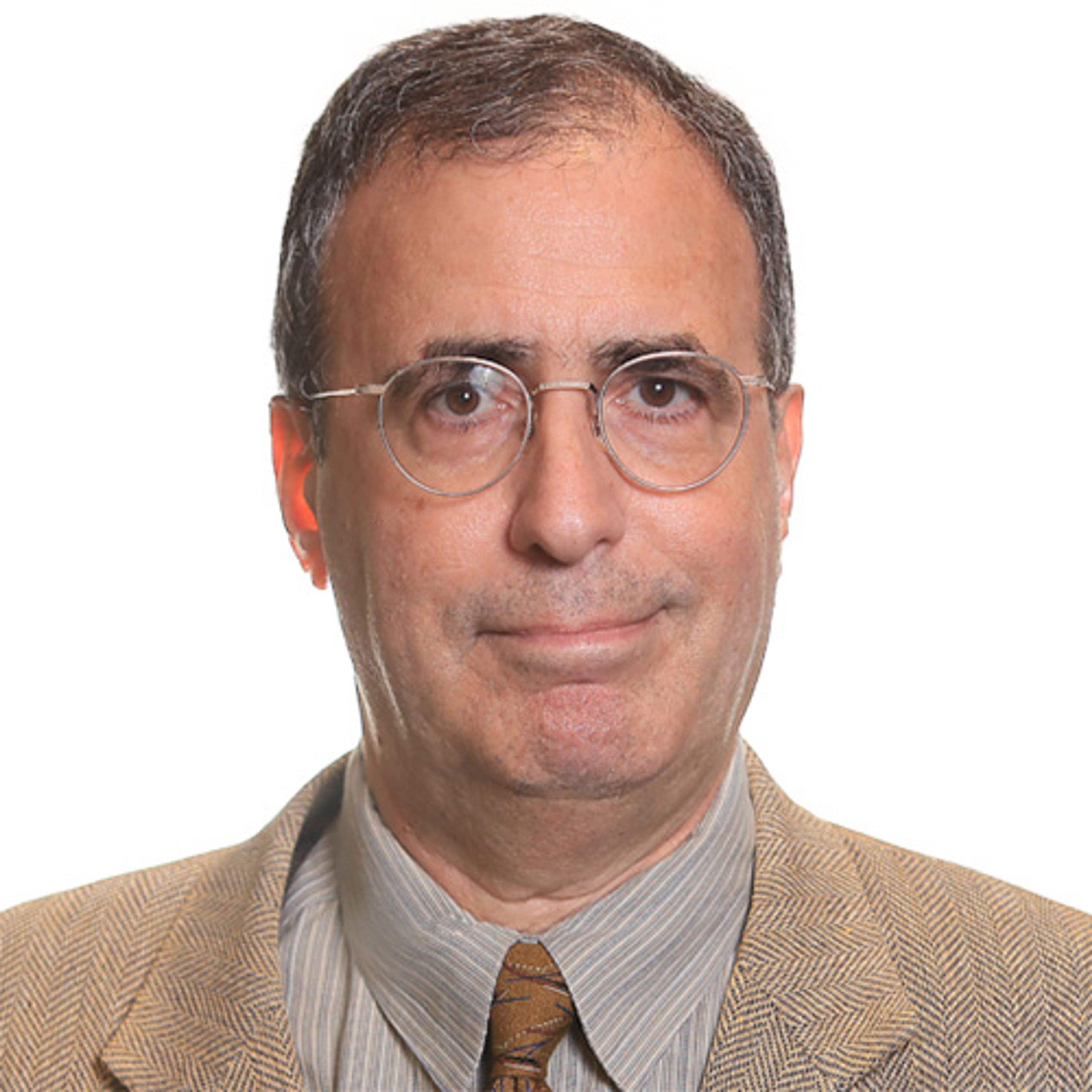
Stanley Kurtz is a senior fellow at the Ethics and Public Policy Center.
Advertisement
Advertisement




Comments