
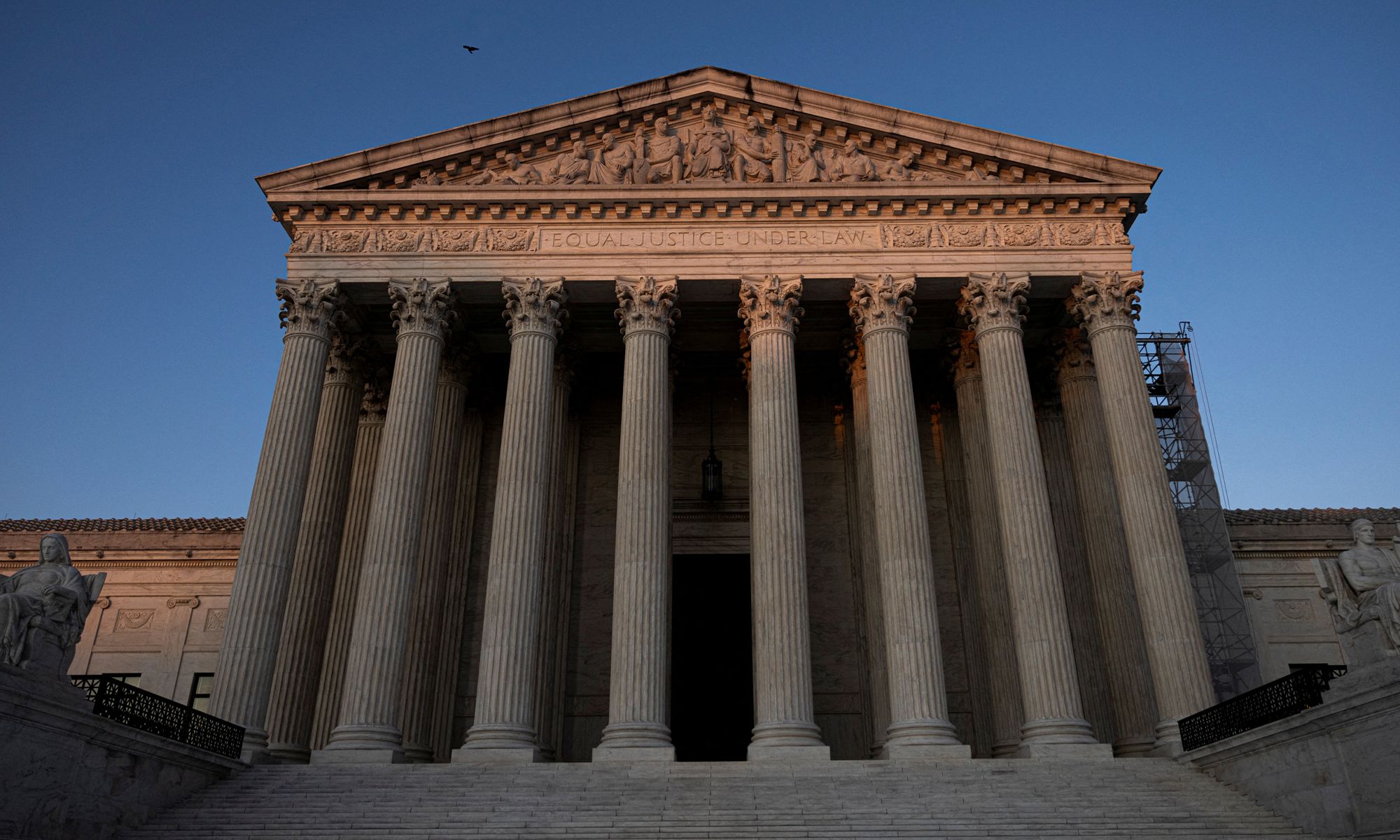
This morning’s Supreme Court decision in Blanche v. Lau is probably the least of the three immigration cases that remained on the Court’s docket, but touches on a large issue: how hard the law makes it to remove criminal aliens from the country. Justice Clarence Thomas wrote the opinion for a 6–3 majority (four of this morning’s five decisions were 6–3 along the familiar ideological divide). The Court struck a blow in favor of the immigration authorities in denying entry to green-card holders where they have committed crimes but have not yet been convicted. Once convicted, if they are still here, they can be removed.
As I’ve previously framed the issue: “Green-card holders can be barred from reentering the country if they’ve committed certain crimes — but what if they haven’t been convicted yet? Can the government prove its case to an immigration judge with evidence it didn’t have at hand on the day the green-card holder tried to reenter? [Muk Choi] Lau himself, a Chinese national, is not a very sympathetic case for this, given that he unquestionably was guilty: He ultimately pleaded guilty to trademark counterfeiting [in 2013] after Obama-era immigration officials let him back into the country to have his day in court. Fourteen years later, he’s still here.”





Comments