
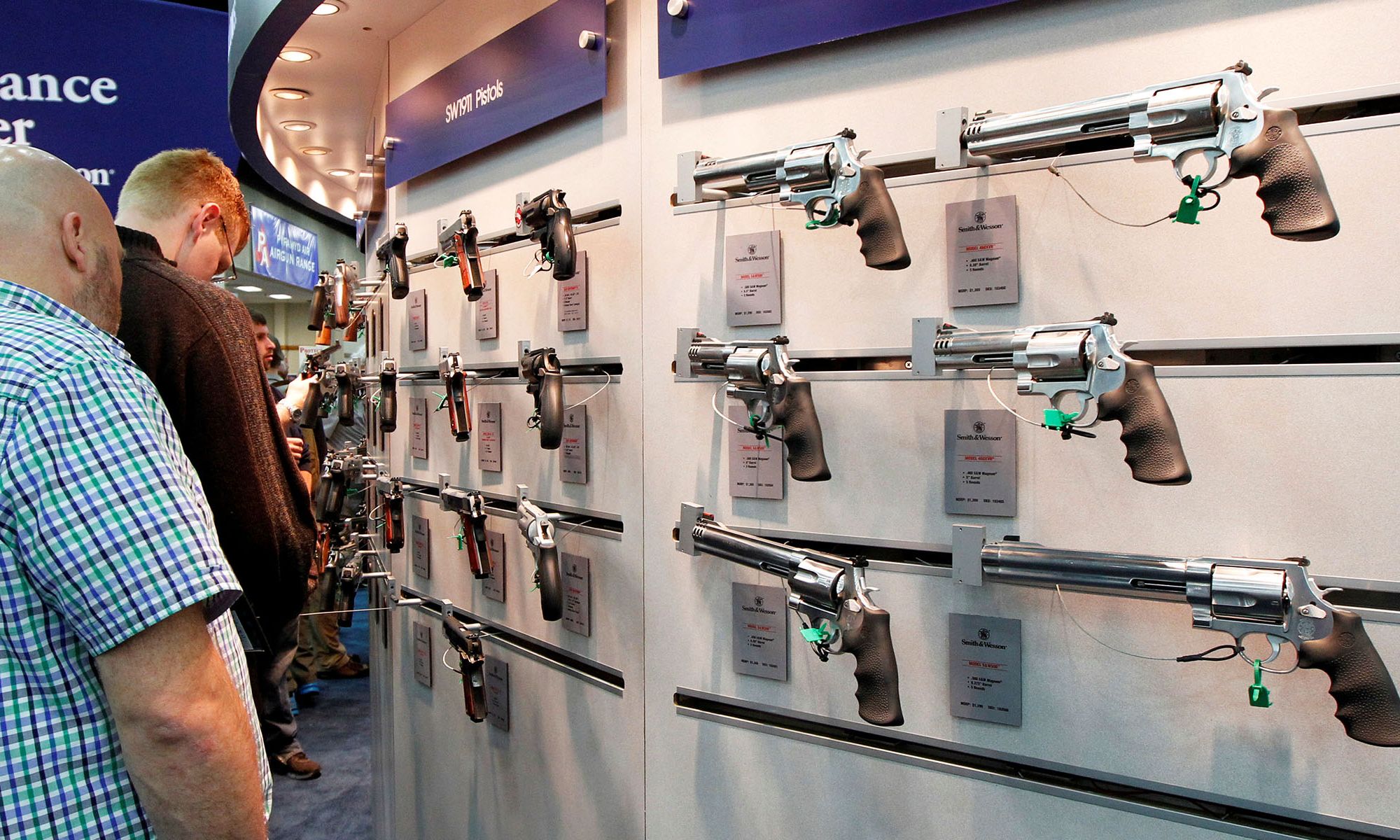
The second big, unanimous victory at the Supreme Court this morning came in Smith & Wesson Brands v. Estados Unidos Mexicanos, a ridiculously overreaching effort by the Mexican government to impose its own vision of gun control within the United States by means of a lawsuit. As I explained the stakes in October:
The Court traditionally assumes that the proximate-cause standard, being grounded in deeply-embedded principles of Anglo-American common law, is intended by Congress to be incorporated in any federal statute that uses the language of causation unless it quite explicitly creates a different causation standard. Thus there are a great many cases applying the same basic proximate-cause standard under the Racketeer Influenced and Corrupt Organizations Act (RICO) and a host of other federal laws. As I noted on Tuesday regarding a “climate homicide” lawsuit against oil companies, the Court’s oft-quoted standard is that “the general tendency of the law, in regard to damages at least, is not to go beyond the first step.” PLCAA explicitly uses the phrase “proximate cause.” Similarly embedded in numerous federal statutes, as in the Justice Against Sponsors of Terrorism Act of 2016 (JASTA), which was the basis of the Court’s decision in Twitter, Inc. v. Taamneh (2023) (ruling that Twitter wasn’t legally responsible for its platform being used for ISIS recruitment), and likewise expressly incorporated in PLCAA, is the traditional common-law definition of “aiding and abetting.”


Comments