
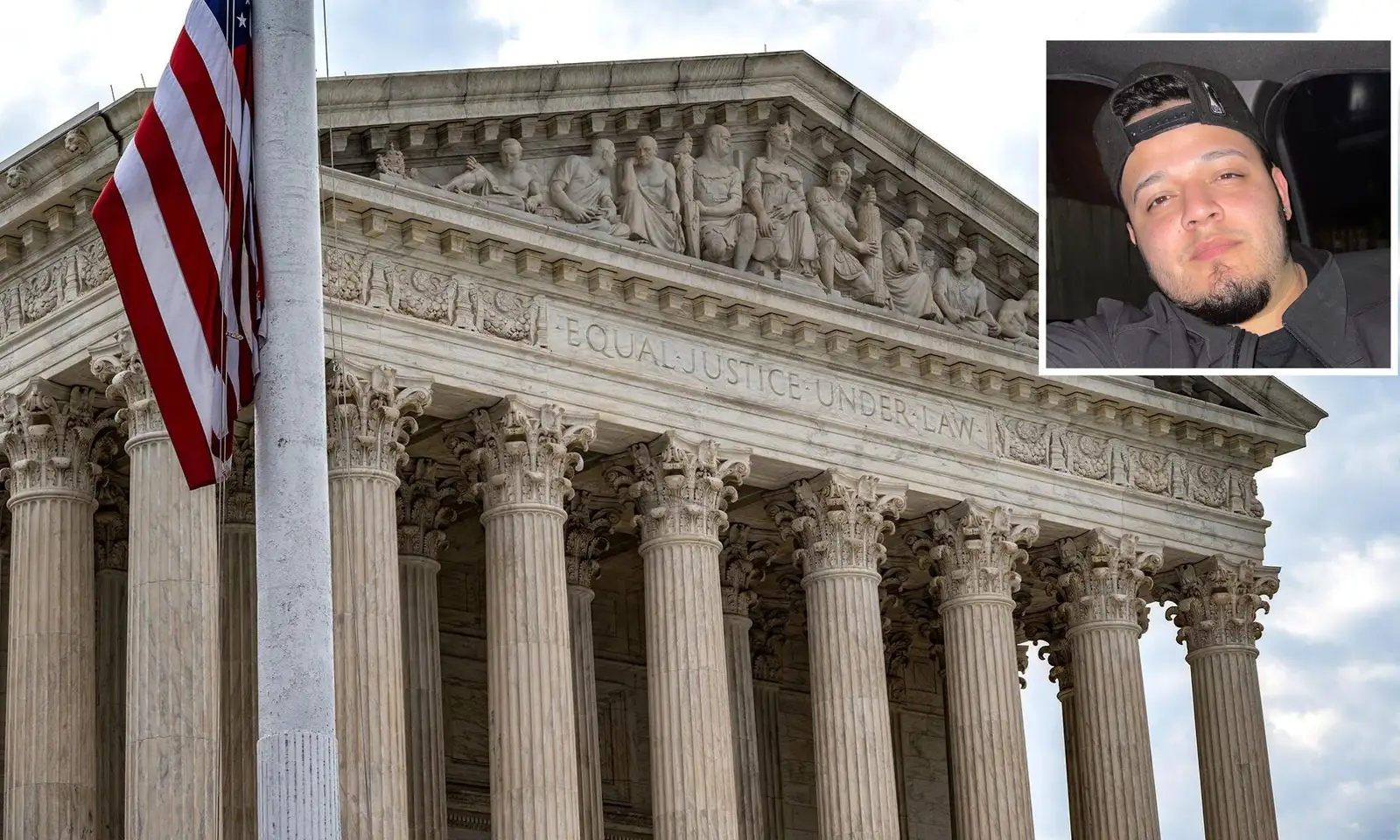
The Supreme Court’s jurisdiction may be over “Cases” or “Controversies,” but if you’re looking to the Court for clear answers, it’s a lot easier to get them when the Court is presented with a clearly defined question of law. That is how most cases reach the Court’s normal docket, but it is often not how they appear on the emergency docket, when things arrive in a jumbled rush, the Court must move with a haste that undercuts its typical comparative advantage of scholarly deliberation, and the legal merits are often entangled in a thicket of procedural questions.
So it was with Monday’s ruling in Trump v. J.G.G. on the deportation to El Salvador of alleged Venezuelan Tren de Aragua gang members under the Alien Enemies Act (AEA), and so it was again with Thursday’s ruling in Noem v. Abrego Garcia on the deportation (also to El Salvador) of Kilmar Abrego Garcia, an illegal Salvadoran immigrant whom the government alleges to be a member of the notorious MS-13 gang.


Comments
On “Supreme Court Sticks to the Basics on Due Process and Deportations”