
From the Tuesday Morning Jolt…
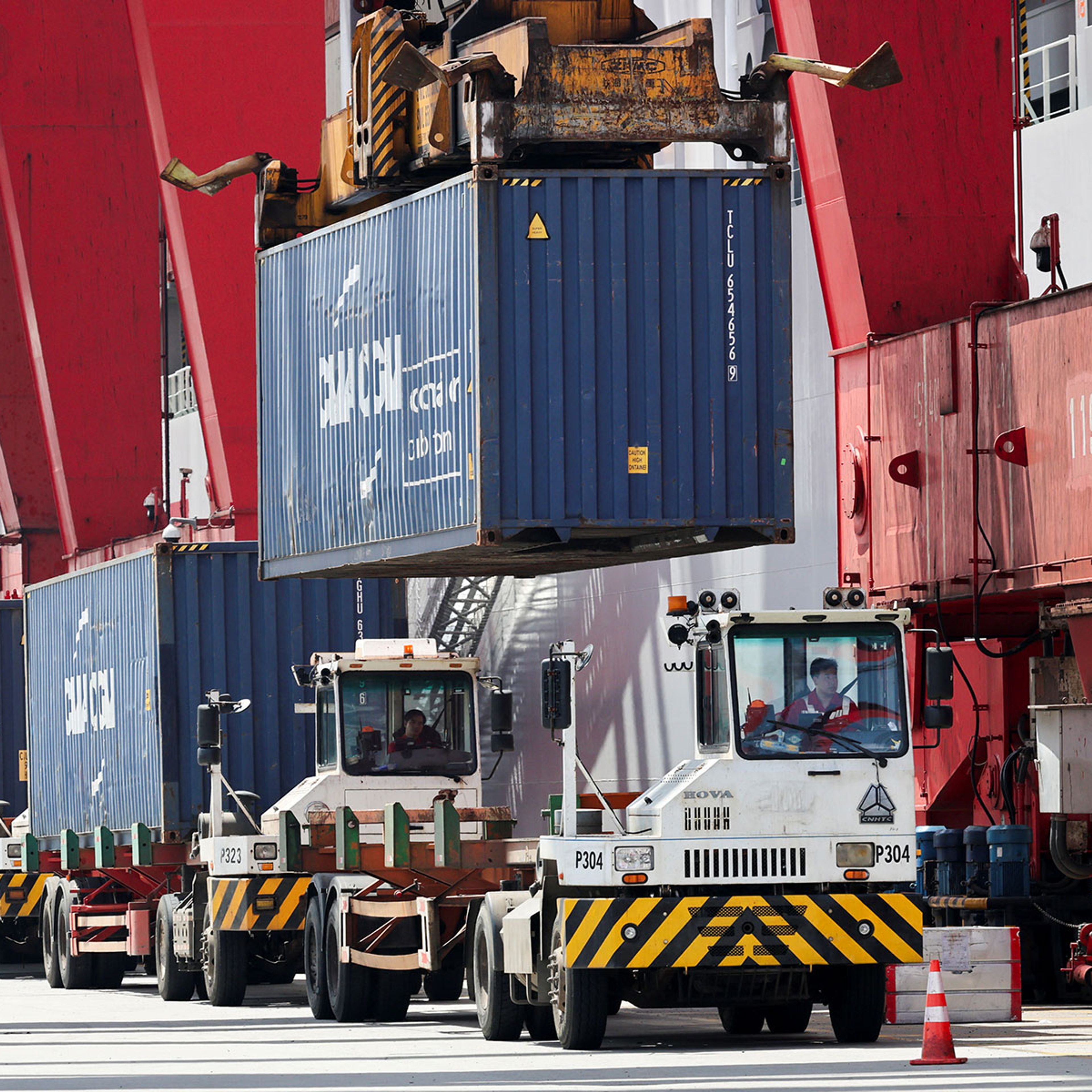
You know that 45, or 35, or 25 percent tariff Donald Trump keeps calling for? We’ve already tried that on Chinese tires. Over on the home page this morning, I point out that it didn’t generate the results that everyone hoped.
If you work in the tire industry, maybe you’re fine with blowing up the export market for poultry producers. The problem is, putting a tariff on tires from one country is good news for tire industry workers in a bunch of other countries, too. Forbes reported that from 2009 to 2011, “30 percent more tires were imported from Canada; 110 percent more from South Korea; 44 percent more from Japan; 152 percent more from Indonesia; 154 percent more from Thailand; 117 percent more from Mexico and 285 percent more from low volume provider Taiwan, according to the U.S. International Trade Commission.”
Of course, Trump isn’t proposing a tariff on just one good like tires; he’s talking about slapping tariffs on all Chinese goods. That would probably just prompt U.S. companies to shift to suppliers in other countries whenever possible.
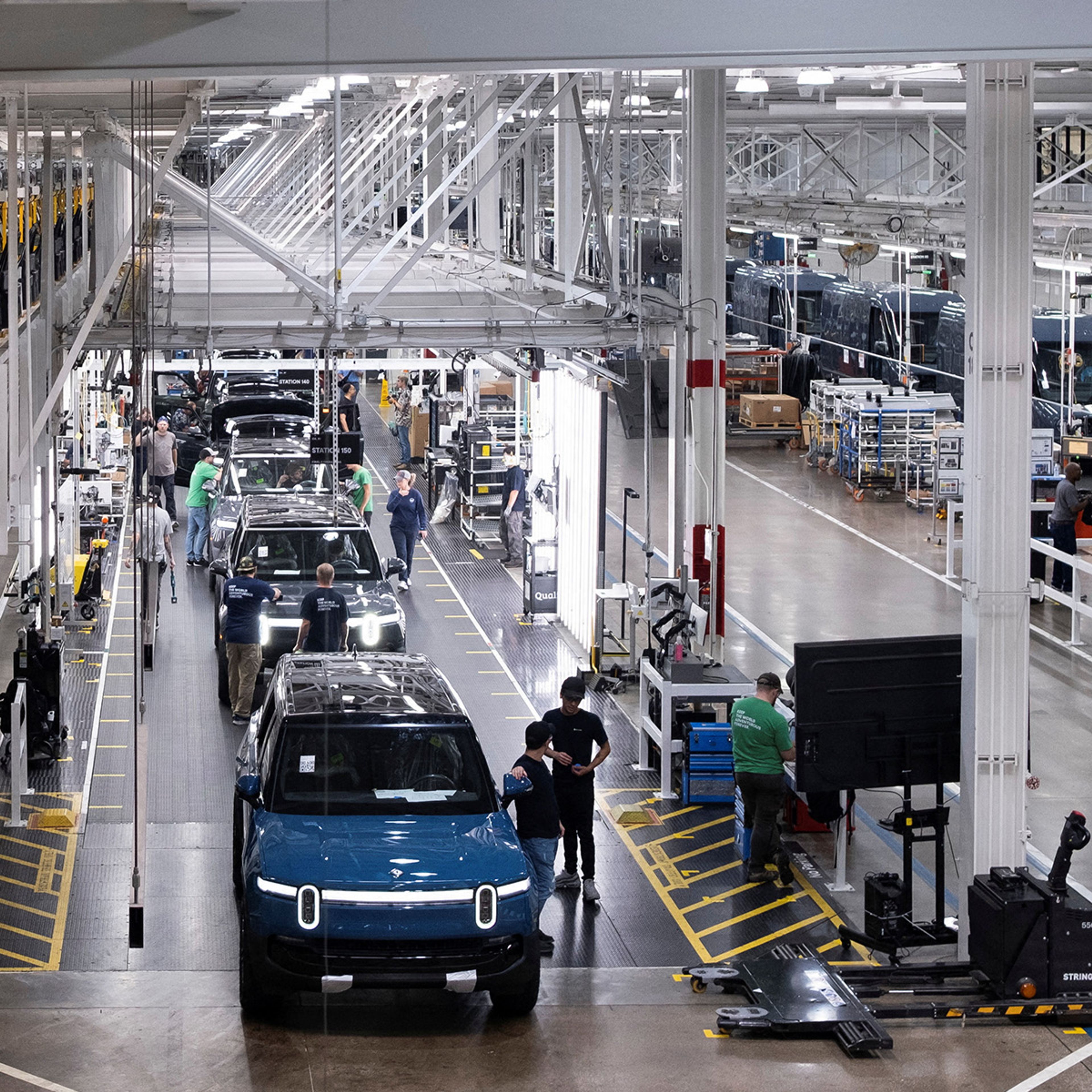
To prevent consumers from buying imported goods, a Trump administration would have to put tariffs on goods from all other countries – and of course, all of them would retaliate with tariffs of their own. There might be some people who see this as ideal, who envision a world where American consumers go to stories and only see American-made products on the shelves.
American-made is more expensive, of course:
Brooks Brothers’ American-made cashmere sport coats sell for $1,395; comparable imported ones go for $1,098. At Lands’ End, American-made sweatshirts cost $59, while the ones made in Vietnam cost $25. The label on an Abercrombie & Fitch American-made sweater, which sells for $150, screams about its American origins. But most of the sweaters for sale at Abercrombie are the cheaper ones priced at $68 and up, and made abroad.
Trump is uninformed on the details of our trade relationships and has no interest in learning them. He boldly promised, “We’re going to get Apple to build their damn computers and things in this country instead of in other countries” – oblivious to the fact that Apple’s displays are made in Kentucky, the processors in New York, the wi-fi frequency chips in Colorado, and the power management chips in Texas.
Trump isn’t running around saying, “I’m going to make everything you buy more expensive, and I’m going to destroy international trade.” No, he’s pledging, “I will bring jobs back from China. I will bring jobs back from Japan. I will bring jobs back from Mexico. I’m going to bring jobs back and I’ll start bringing them back very fast.” Like his pledge with a border wall, it’s all upside, with no acknowledgement of cost.
There’s a national security aspect to a proposal of Chinese tariffs as well: a regime in Beijing that already seems obstinate, hostile, and provocative to American interests would see even less reason to cooperate with the United States, since we had closed our doors to their products.
(Trump’s trade plan quietly acknowledges the likelihood of a more antagonistic China, promising to “strengthen the U.S. military and deploying it appropriately in the East and South China Seas. These actions will discourage Chinese adventurism that imperils American interests in Asia and shows our strength as we begin renegotiating our trading relationship with China.”)



Comments