
At the New York Times, Thomas Edsall raises a point that I confess I had not considered:
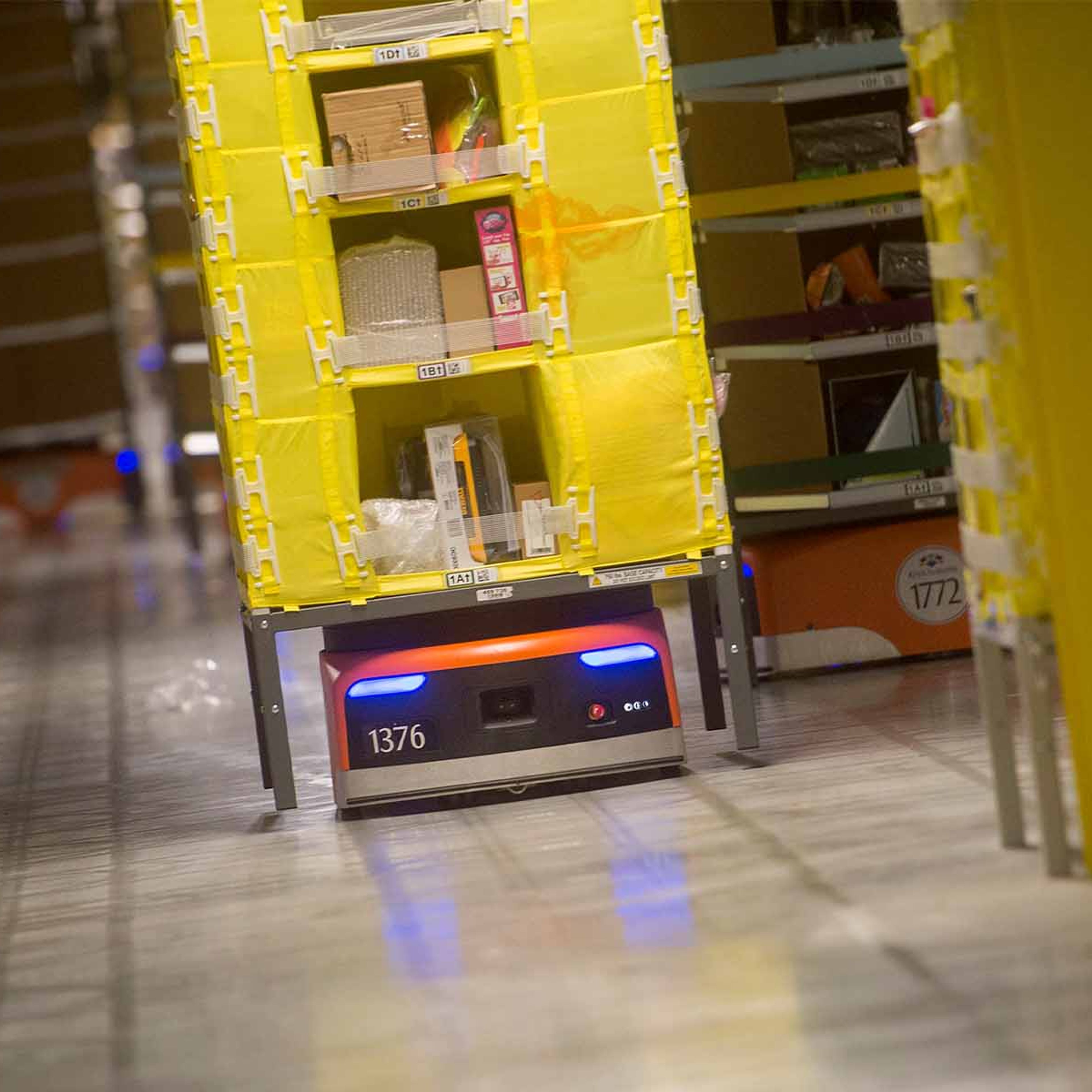
Donald Trump’s $1.5 trillion tax cut has increased incentives to replace workers with robots, contradicting his campaign promise to restore well-paying manufacturing jobs in the nation’s heartland.
The Trump tax bill permits “U.S. corporations to expense their capital investment, through 2022. So, if a U.S. corporation buys a robot for $100 thousand, it can deduct the $100 thousand immediately to calculate its U.S. taxable income, rather than recover the $100 thousand over the life of the robot, as under prior law,” Steven M. Rosenthal, a senior fellow at the Urban Institute and a specialist in tax policy, wrote me by email.
I think Edsall’s characterization is imprecise in a way that inhibits clear thinking. By allowing an immediate and full write-off of investments, the law increases the incentive to make investments. Some of those investments will reduce the demand for labor and some of them will increase it. The net effect of this provision of the law on labor demand is thus an empirical question. But even if the answer is that it will reduce it, does it follow that it was a mistaken provision? I’m not sure that it does. Would we favor raising taxes on investment from what they were before the new tax law? Stretching out depreciation schedules would discourage investment, including labor-saving investment. But designing policy around this goal seems perverse.





Comments