
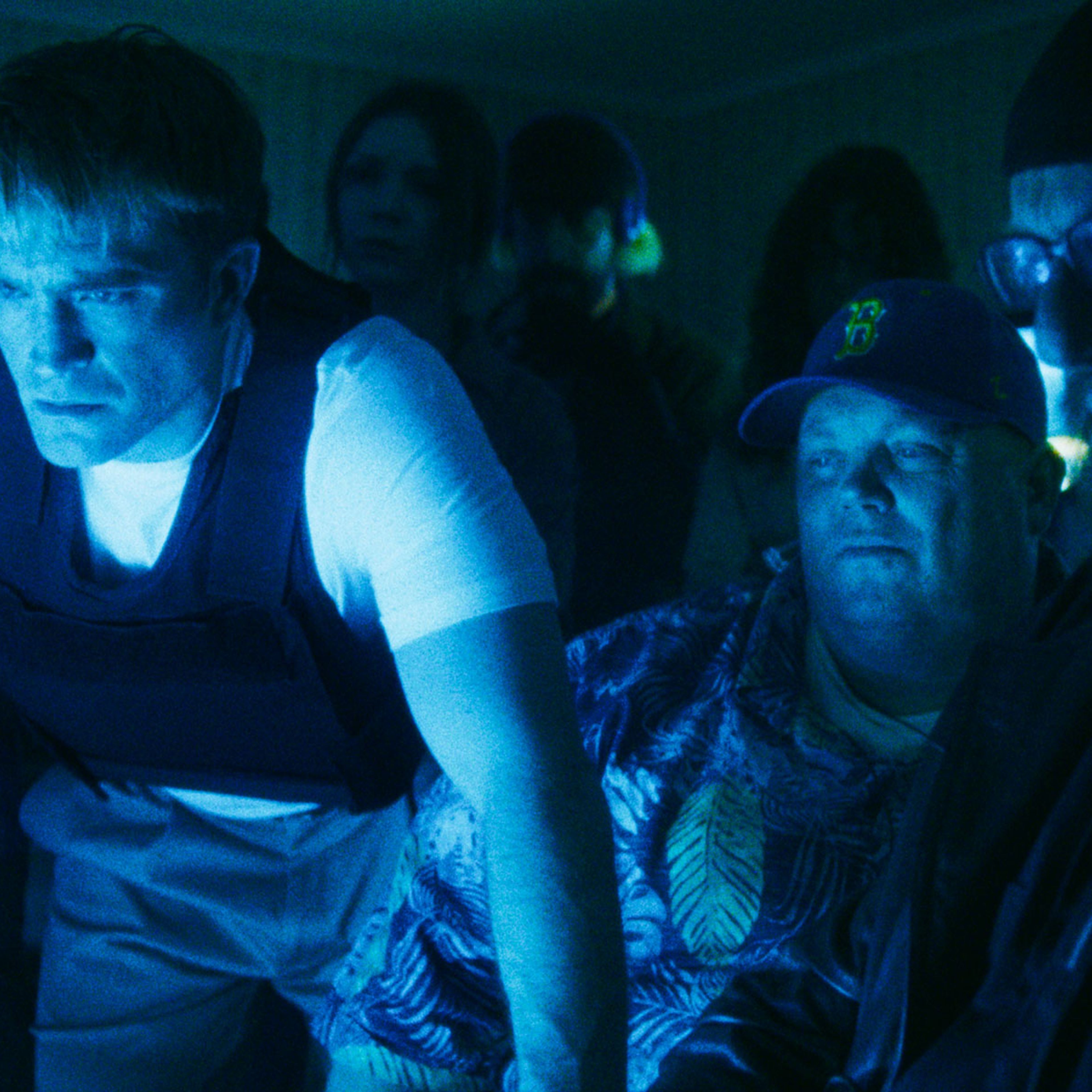
The percentage of films that genuinely repay attention is remarkably low, so I can’t believe I missed this one when it came out. Heaven, a 2002 movie starring Cate Blanchett and Giovanni Ribisi, is a lovely drama about a woman who, having taken the law into her own hands after the police refuse to go after a drug dealer, finds herself with the blood of four innocent people on her hands. Blanchett is terrific as the well-intentioned, heartbroken killer of innocents, Ribisi touchingly convincing as the innocent young cop who takes her side. The director is Germany’s Tom Tykwer, who does an excellent job of realizing the screenplay by the Polish writers Krzysztof Kieslowski and Krzysztof Piesiewicz. Kieslowski was of course the creator of the masterpiece The Decalogue, a landmark that still compels after all these years; Piesiewicz is not just a talented writer but a veteran lawyer who actually assisted in the successful prosecution of the Communist police who killed Father Jerzy Popieluszko (who was beatified earlier this year).
Heaven works as a personal drama and a suspense movie, but its overall direction is compellingly theological, as the main character finds her deeper, better self in a sphere of love that accepts, and transcends, responsibility. Toward the end of the film, Blanchett and Ribisi participate in what Yeats called a “ceremony of innocence” — but this one, unlike Yeats’s, is not “drowned.” The next lines of that famous poem — “the best lack all conviction, while the worst / Are full of passionate intensity” – are frequently quoted by political commentators (by liberals when it looks like conservatives are winning, and by conservatives when it looks like liberals are winning). But it’s important to occasionally take a look beyond that moment of all-too-human “passionate intensity,” at the possibilities of transcendence, which is exactly what this film does when it symbolically brings its main characters back to Eden.
The film was made before 9/11, and Tykwer says in the commentary track that it was not intended as a discussion of terrorism; that the action that sets the plot in motion appears to be a terrorist act is a pure coincidence. I believe him on this, because the issues the film raises so intelligently and beautifully go far beyond today’s headlines. As Solzhenitsyn so famously said: “If only there were evil people somewhere insidiously committing evil deeds, and it were necessary only to separate them from the rest of us and destroy them. But the line dividing good and evil cuts through the heart of every human being.”




Comments