
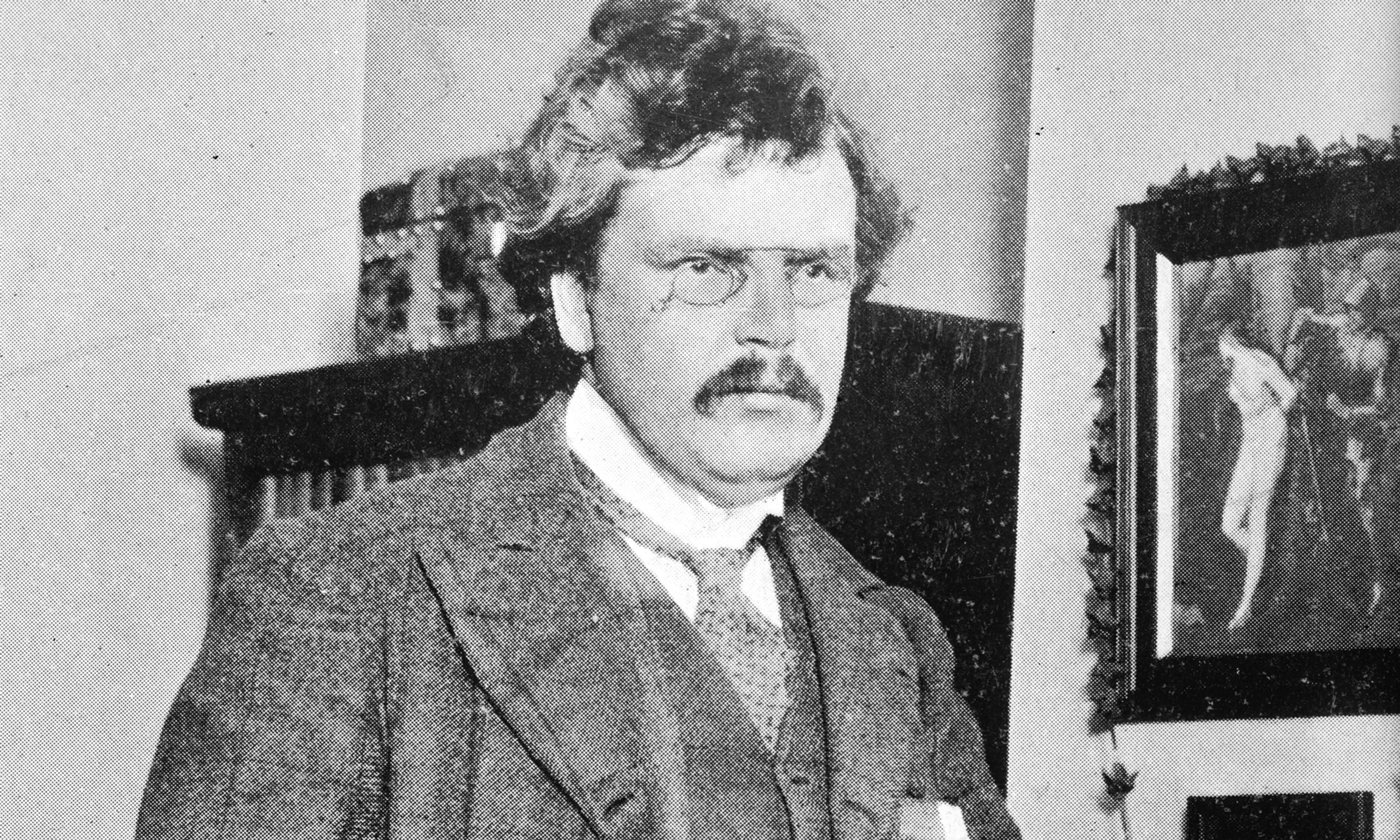
In The Everlasting Man, G. K. Chesterton’s response to H. G. Wells, there is an arresting chapter in which Chesterton outlines what he sees as previous times in history when the Christian faith seemed to be fading away, only to suddenly return with vigor and strength. Forgive the long passage:
There are people who say they wish Christianity to remain as a spirit. They mean, very literally, that they wish it to remain as a ghost. But it is not going to remain as a ghost. What follows this process of apparent death is not the lingerings of the shade; it is the resurrection of the body. These people are quite prepared to shed pious and reverential tears over the Sepulchre of the Son of Man; what they are not prepared for is the Son of God walking once more upon the hills of morning. These people, and indeed most people, were indeed by this time quite accustomed to the idea that the old Christian candle-light would fade into the light of common day. To many of them it did quite honestly appear like that pale yellow flame of a candle when it is left burning in daylight. It was all the more unexpected, and therefore all the more unmistakable, that the seven branched candle-stick suddenly towered to heaven like a miraculous tree and flamed until the sun turned pale. But other ages have seen the day conquer the candle-light and then the candle-light conquer the day. Again and again, before our time, men have grown content with a diluted doctrine. And again and again there has followed on that dilution, coming as out of the darkness in a crimson cataract, the strength of the red original wine.
I had this in mind this morning when I came across a YouTube video of a young woman, raised by secular atheists, who has spent the last 365 days praying the rosary. We tend to think that conservatives raise children and then the culture draws them away from the traditions we wanted to pass on. But, more and more I see the reverse, with the culture driving young people back to a tradition from which they had been disinherited.






Comments