
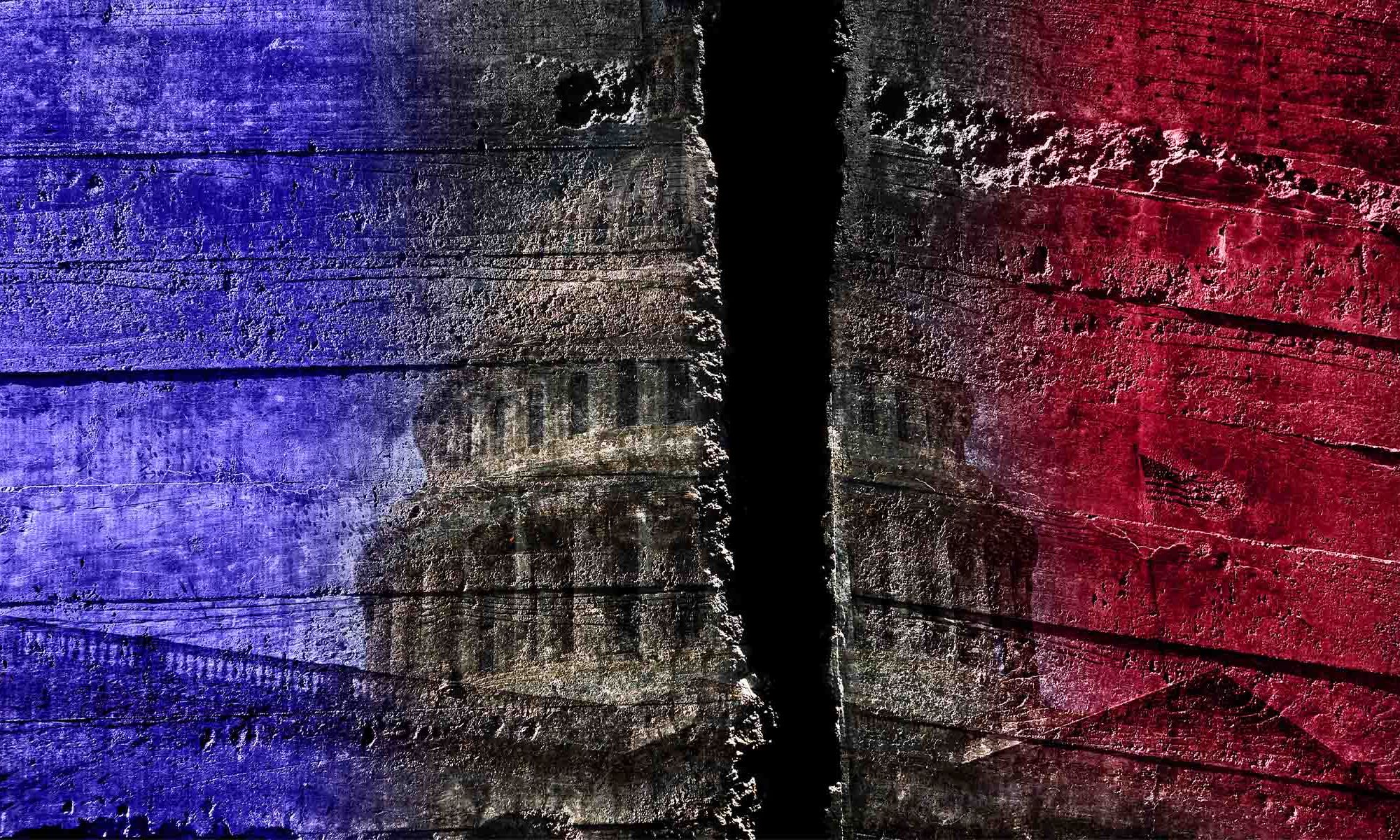
Underlying many contemporary debates about the American right is a deeper controversy about whether it should be a “conservative” force (that is, interested in preserving institutions) or counter-revolutionary movement focused on battling the entrenched progressive left. In a recent New York Times column that generated a lot of engagement online, David Brooks kicked off another iteration of this argument. To illustrate a “key difference between old-style conservatism and Trumpism,” Brooks highlighted the following claim by Christopher Rufo: “I am neither conservative by temperament nor by political ambition: I want to destroy the status quo rather than preserve it.” Brooks tied a loss of institutional credibility to the rise of political nihilism; but taking those institutional failures seriously might also reveal how correcting those institutions could itself be a conservative impulse.
I think it’s worth distinguishing between American conservatism and what we might think of as the Tory tradition. That Tory strand — rep ties, Bach concertos, and wine-and-walnuts symposia on T. S. Eliot — is an important component of American conservatism. With his Bösendorfer piano and mid-Atlantic accent, William F. Buckley had impeccable Tory branding.



Comments