
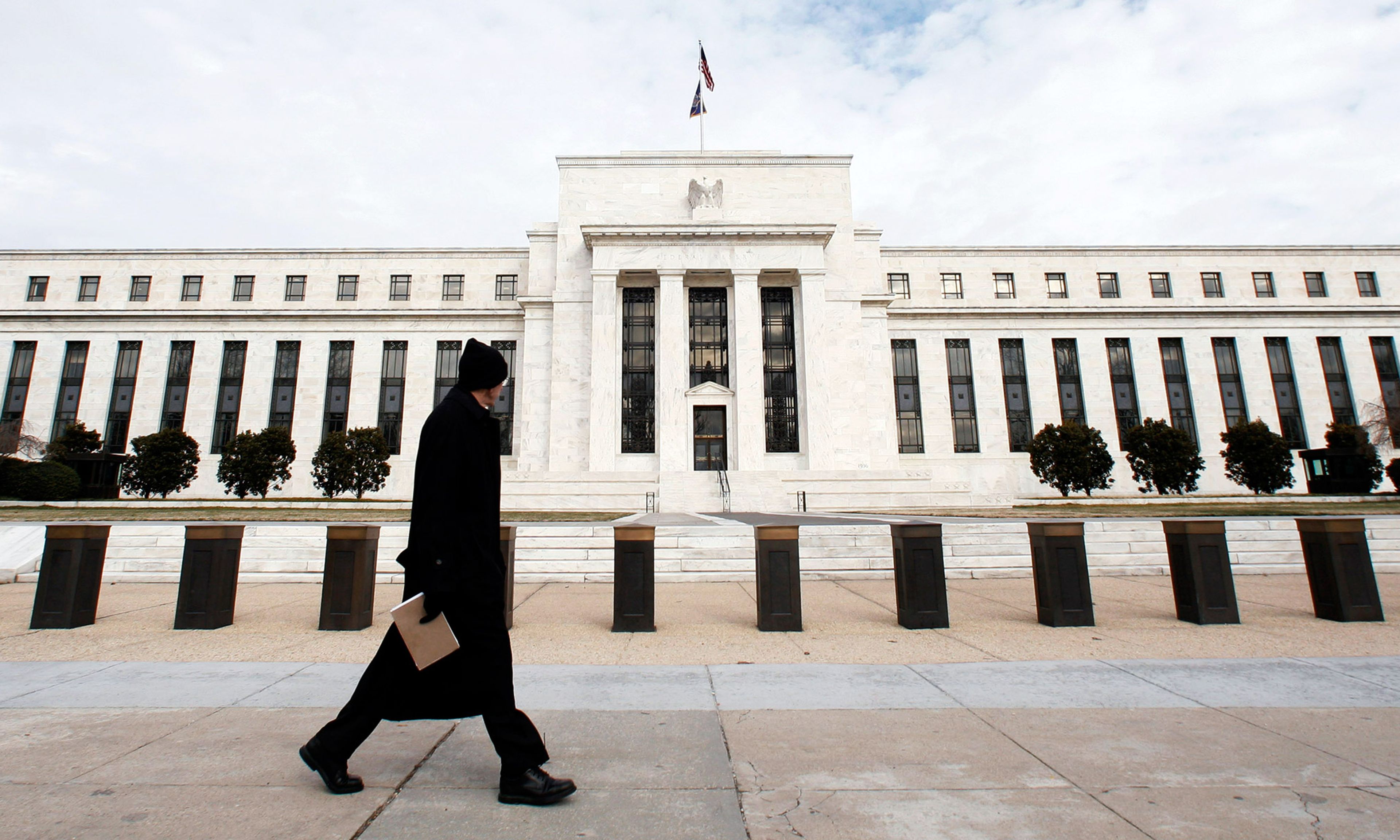
For the first time since July, the Federal Reserve’s Board of Governors voted not to cut interest rates in the face of stubborn inflation, keeping them steady between 3.5 and 3.75 percent instead. According to the Wall Street Journal, members “signaled little urgency to resume cuts after contentious reductions at officials’ three previous meetings.”
The final vote to keep rates where they are was 10–2. The two dissenters, who favored cutting rates by a quarter-percentage point, were both appointed by President Trump — who has made his views on monetary policy exceedingly clear. Trump is counting down the days until he can name Powell’s successor as Fed chair, and he expects whoever follows him to open the floodgates of loose money through aggressive rate cuts and quantitative easing.
Some candidates are brandishing their credentials. From the WSJ:
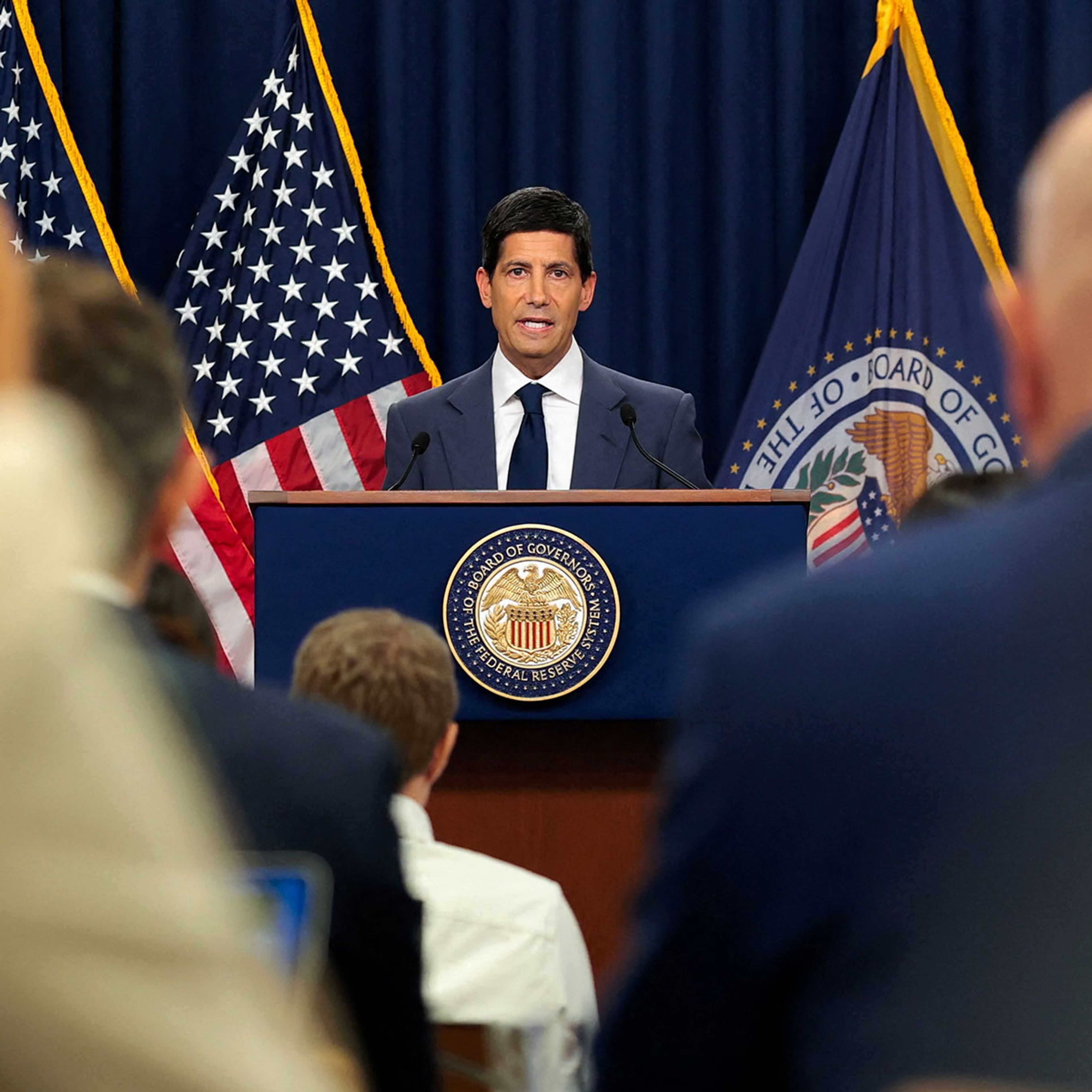
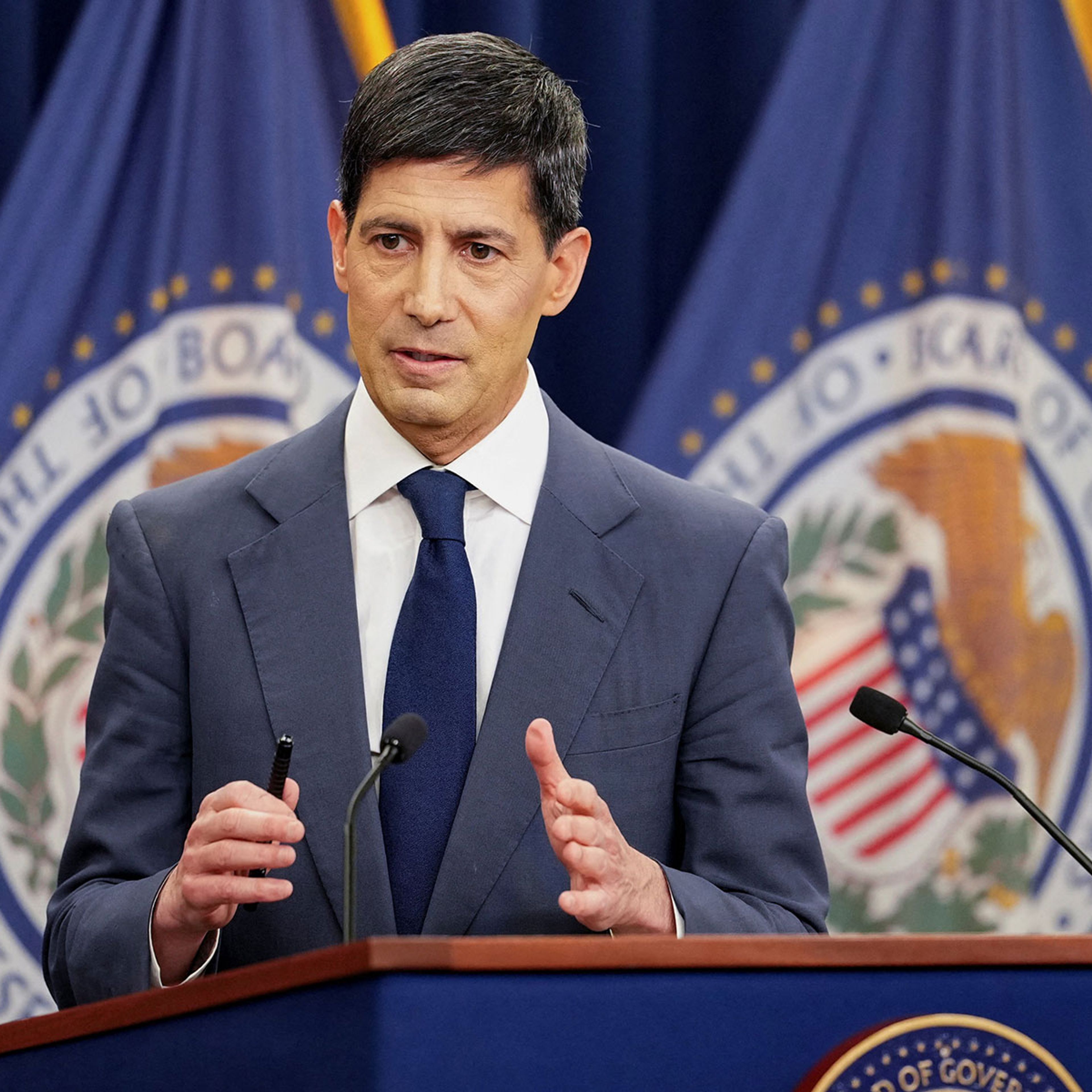
Powell’s term as chair ends in May, and Trump’s advisers have said he is close to naming a successor. Governor Christopher Waller, one of four finalists, opposed Wednesday’s decision. Analysts had said casting a dissenting vote may have been a precondition for keeping his long-shot candidacy viable.
That’s not disconcerting at all, Trump’s (very public) selection process affecting current Fed governors’ votes. And then there’s the true lackey:
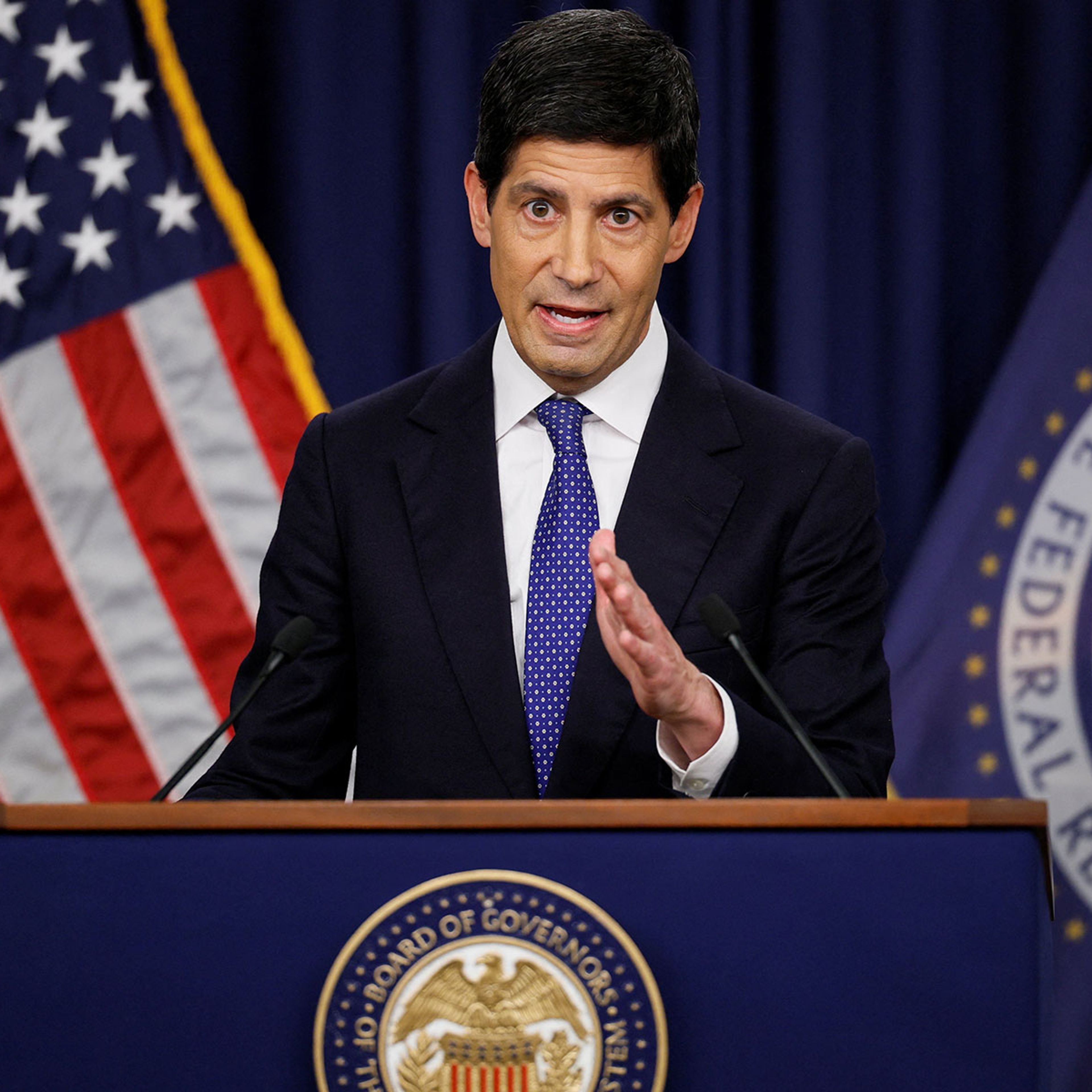
Governor Stephen Miran also dissented. Since Trump named him to fill a short-term vacancy on the Fed’s board last summer, he has dissented at all four policy meetings he has attended in favor of lower rates.
On the merits, the Fed deserves the absolute bare-minimum credit for not cutting rates yet again when there exists no justification to do so, aside from assuaging political dissatisfaction. The Fed should not have cut rates multiple times in 2024, and it should not have cut rates multiple times in 2025. In fact, so long as inflation remained well above the 2 percent target (which it still is), it probably should have been raising rates moderately.
It remains unclear how the Fed plans to finally tame the inflationary beast, if that is even the intent anymore. (Fiscal projections have the Fed cradling the national debt with easy money indefinitely to prevent an explicit default.) But at least it has now achieved the first, necessary step whenever one finds oneself in a hole: stop digging.
Alas, the Fed still appears to have no appetite for climbing out.



Comments