
The German novelist Martin Mosebach wrote the original manuscript for The Heresy of Formlessness, his book-length defense of the traditional Latin liturgy of the Catholic Church, in 2002. I see that in a few months we will be coming on the 20th anniversary of its publication in English by the invaluable Ignatius Press.
In a recent re-reading, I was struck by Mosebach nodding to the generative power of the traditional liturgy in culture, even the culture of those who despised it. He notes in one section that James Joyce’s Ulysses begins with one of its two protagonists, Stephen Dedalus, hearing Judica me, prayers traditionally rendered at the foot of the altar, but mockingly rendered; then, chapters later, Joyce has Leopold Bloom experience the same prayers in All Hallows:
Traces of the liturgy are everywhere in this book, but there is a particularly memorable scene in which the novel’s Jewish hero, Leopold Bloom, mocking and aloof, attends a Mass; he cannot suppress a certain respect, against his will, for what he sees there. Joyce could never have imagined that he was describing a form of worship that was in mortal danger; for him the Mass was something unchangeable and objective, an institution that had become second nature: he could attack it because, secretly, he knew it was indestructible. Ulysses could never have been written without the old liturgy; here we sense the liturgy’s immense cultural and creative power. Even its opponents could not avoid being in its shadow; they actually depended for nourishment on its aesthetic substance.
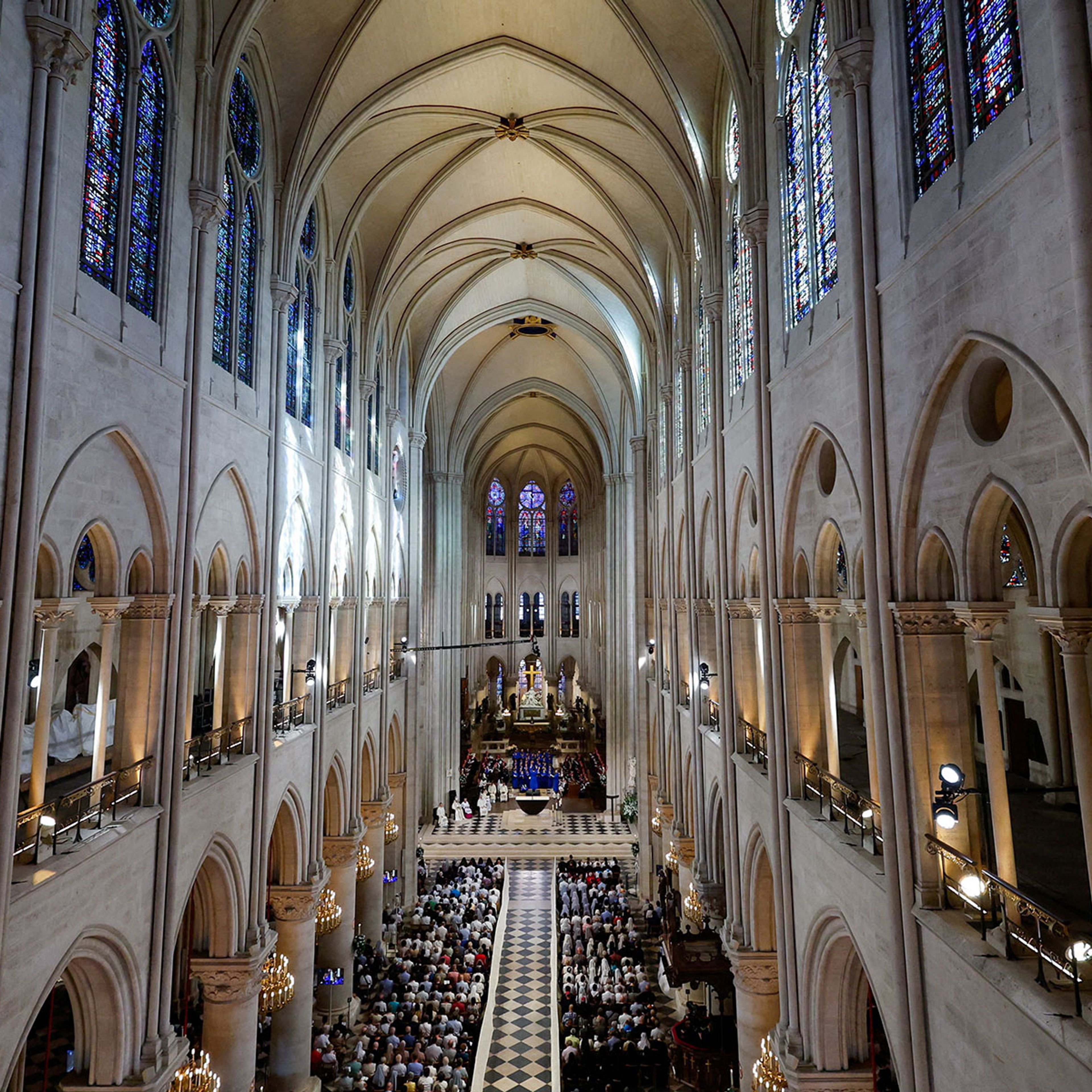
A few sentences later, Mosebach writes, “Initially, it must have felt like a deathblow when the liturgy was driven from the magnificent old churches that had been created for it. Then it became clear that it was the churches that had died once the spirit of the sacred vanished from them; the liturgy itself stayed alive, albeit in lamentable circumstances.”





Comments