
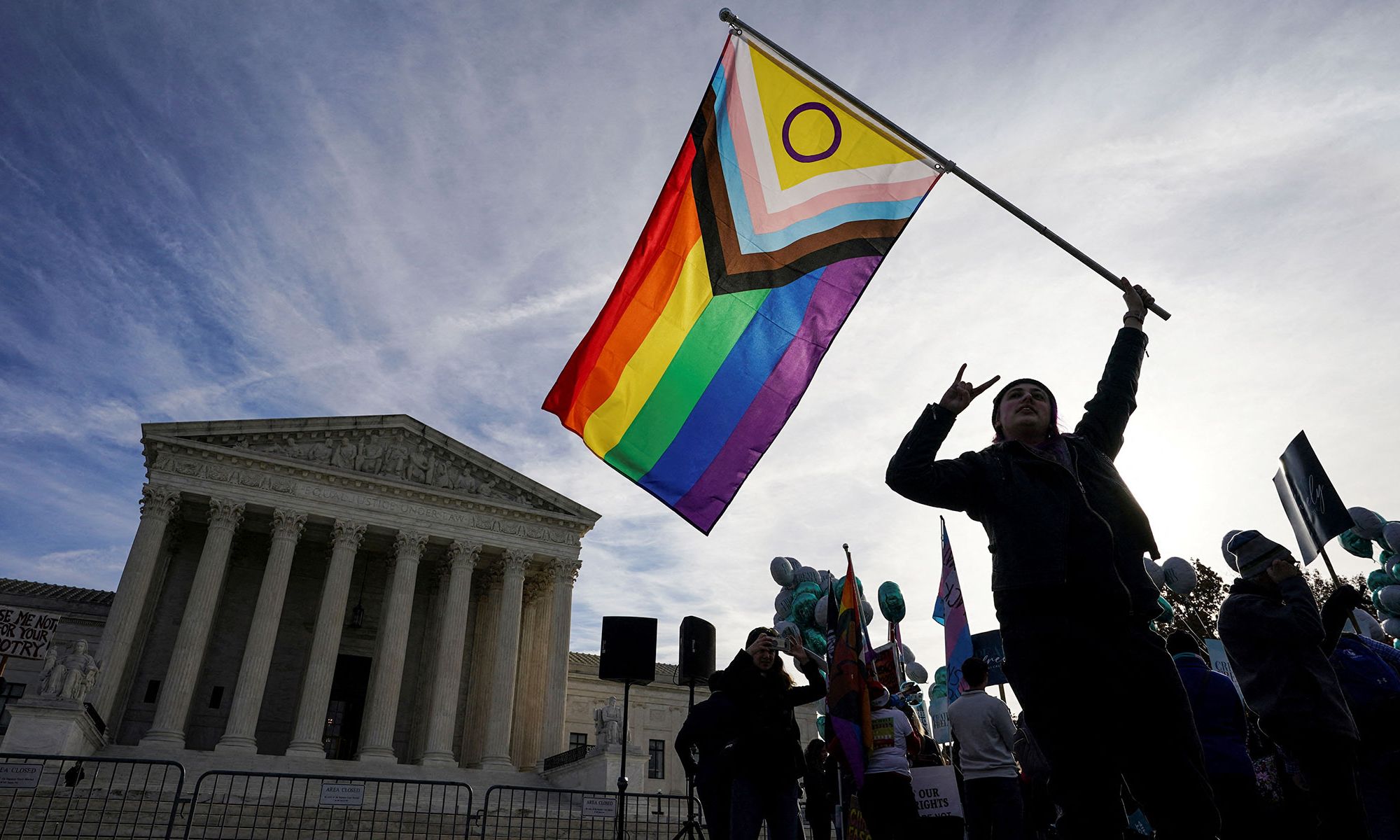
The Supreme Court this morning accepted a case challenging Colorado’s ban on “conversion therapy.” Laws of this nature first sprang up to prohibit efforts to orient or reorient young people from homosexuality to heterosexuality and have expanded to include bans on efforts to get minors to accept their biological sex. In both cases, blue-state laws are one-sided, protecting both speech and medical therapies that aim to encourage homosexuality and transgenderism while banning those that swim in the opposite direction and even concealing pro-gender-transition efforts from parents while denying that this is a “medical” practice. The plaintiff in Chiles v. Salazar argues that this bias written into the law is a free-speech issue.
The Court already has before it, albeit on a limited issue, the case of United States v. Skrmetti, one of a number of legal challenges to red-state laws that take an essentially mirror-image approach in banning “gender-affirming” treatments for minors such as puberty blockers and hormone therapy for gender dysphoria. The challengers (no longer including the Justice Department, which brought the case) argue that it violates equal protection to not ban the same substances from being used for different treatments that actually affirm a minor’s biological sex.



Comments