
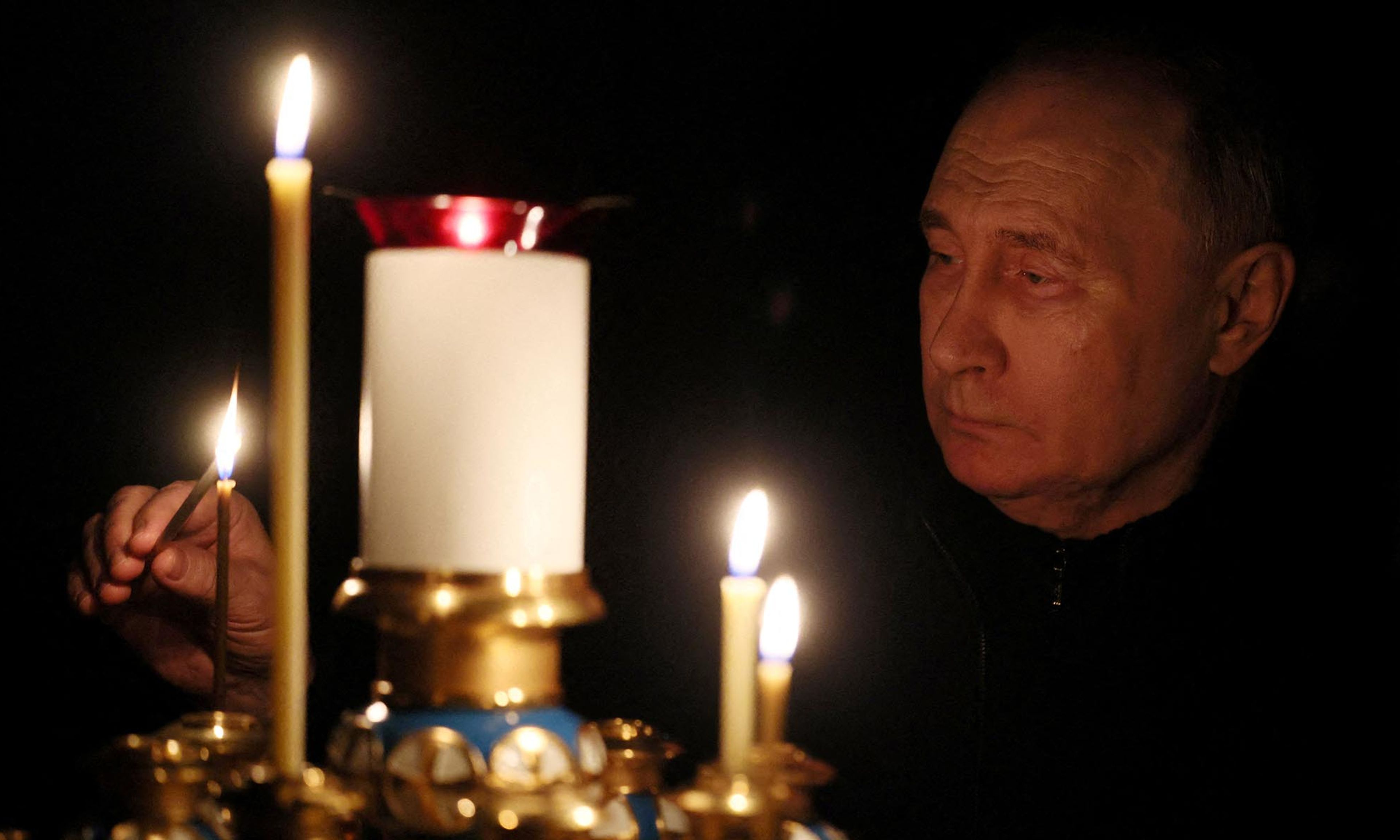
The intellectual dexterity demanded of the Kremlin’s propagandists has been tested to its limits in the days since Friday’s horrific terrorist attack on a concert hall outside Moscow, in which at least 137 were killed and scores more wounded. Today, the Putin regime’s more flexible advocates are detailing the previously unknown extent to which the government in Kyiv and its Jewish president have allegedly cultivated ties to Islamic State militants. That is a novel twist on the enterprise that the Russian regime’s mouthpieces devoted themselves to in the immediate aftermath of the Crocus City Hall attack: blaming Ukraine directly for the slaughter of Russian civilians.
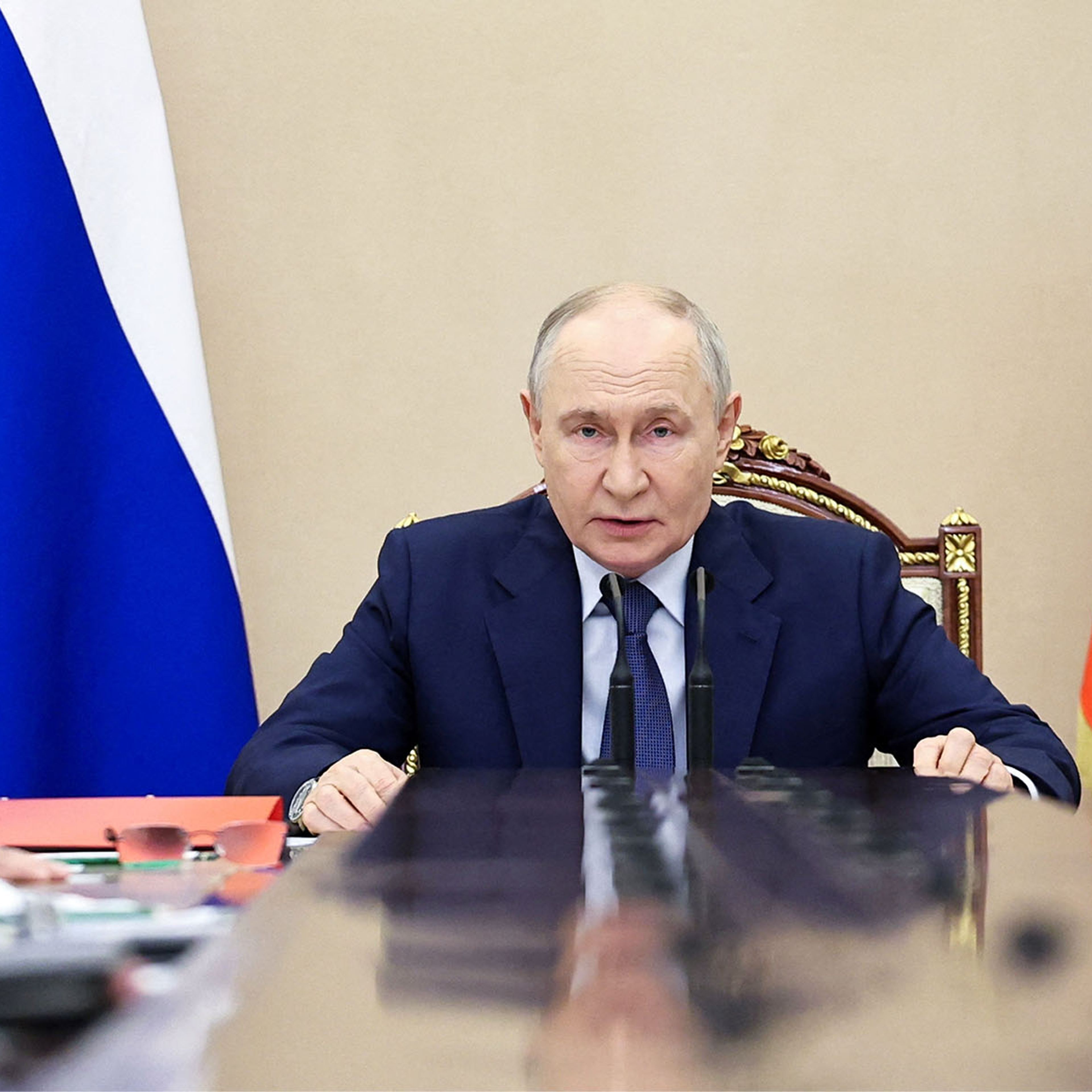
Even as the attack was unfolding, Russian sources alleged that the attack was the culmination of a vast Ukrainian plot. Former FSB officials insisted that the attackers infiltrated Russia through Ukraine’s all but impenetrable borders, likely with the support of Ukrainian security officials and perhaps even the assistance of the Americans and the British. If the terrorists didn’t enter Russia through Ukraine, that’s where they were attempting to escape after the completion of their bloody work, Putin himself alleged. One of his more zealous deputies, Dmitry Medvedev, promised there would be “retaliatory terror” in the effort to square “death for death” when Ukrainian culpability for this attack was more firmly established.
Comments