
You might think that because it is now Thursday afternoon, the drama around the Iowa caucus results would be winding down. You would be wrong.
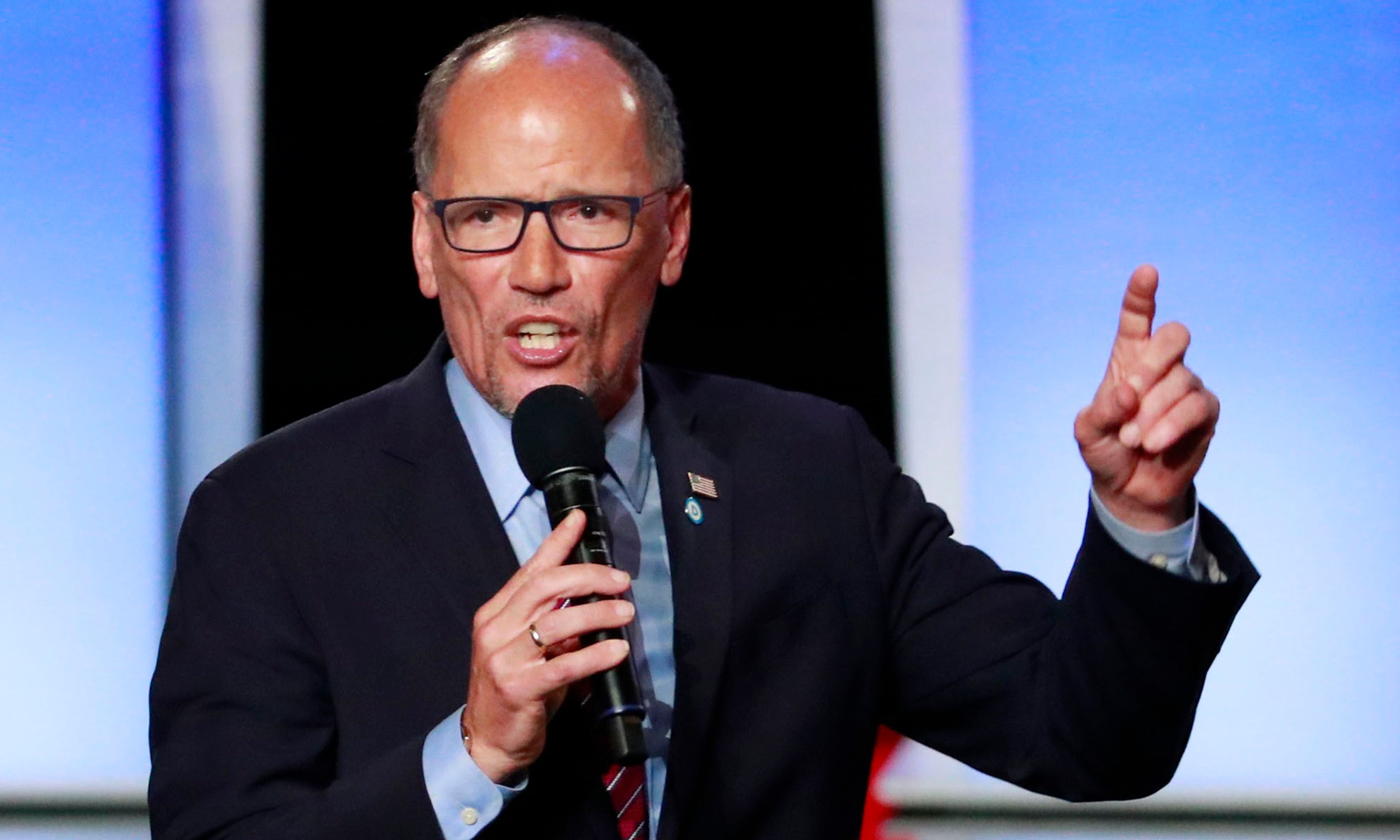
Democratic National Committee chairman Tom Perez tweeted this afternoon, “Enough is enough. In light of the problems that have emerged in the implementation of the delegate selection plan and in order to assure public confidence in the results, I am calling on the Iowa Democratic Party to immediately begin a recanvass. A recanvass is a review of the worksheets from each caucus site to ensure accuracy.” This comes after the New York Times reported this morning, “more than 100 precincts reported results that were internally inconsistent, that were missing data or that were not possible under the complex rules of the Iowa caucuses.”
At this point, Pete Buttigieg leads by one-tenth of one percent in “state delegate equivalents,” but Bernie Sanders led the second round of voting, 44,753 to 42,235. Sanders supporters are convinced their man is getting hosed a second time.
You also might think that the Iowa Democratic Party, having just made the most colossal, high-profile series of mistakes in American political history, would snappily salute, say “yes, sir,” and commence the recanvass to help restore public faith in what has been a confusing and opaque process. You would be wrong again. IDP Chair Troy Price says the state party will do a recanvass if one of the candidates requests one, but not the DNC:
Should any presidential campaign in compliance with the Iowa Delegate Selection Plan request a recanvass, the IDP is prepared. In such a circumstance, the IDP will audit the paper records of report, as provided by the precinct chairs and signed by representatives of presidential campaigns. This is the official record of the Iowa Democratic caucus, and we are committed to ensuring the results accurately reflect the preference of Iowans.
The errors noticed by the Times probably aren’t enough to change the outcome . . . but the current results point to an extremely close finish. Just how certain can anyone be that the winner in Iowa is actually the one who got the most votes?






Comments