
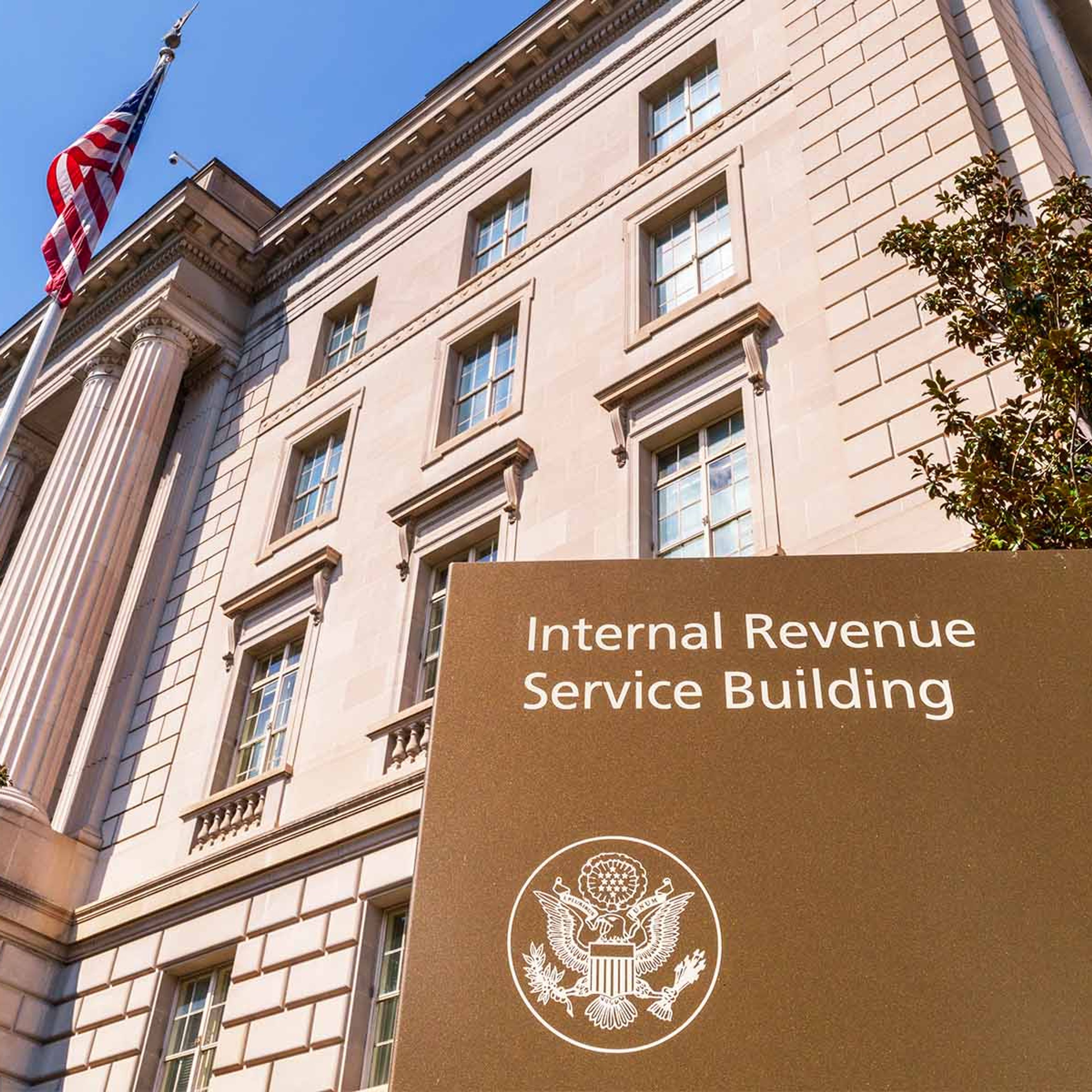
The IRS audited just 0.45 percent of individual tax returns last year. That was below its target of 0.5 percent, down about half from a decade ago, and an approximately 40-year low.
Some conservatives will cheer this development. No one likes being audited, and indeed the decline is largely attributable to Republican-led cuts to the IRS’s budget.
But as I detailed in a piece back in November, there are serious downsides to failing to prevent tax evasion, which currently amounts to hundreds of billions of dollars a year in the U.S. Poor tax enforcement undermines the rule of law, keeps tax rates higher than they’d need to be if everyone actually paid what they owed, and gives a de facto tax credit for dishonesty.
According to the study that occasioned my piece, a combination of increased auditing, technological improvements, and stronger reporting requirements could raise a trillion dollars over ten years. That seems like a no-brainer, whether you think that money should go to tax cuts, deficit reduction, or new social spending.




Comments